
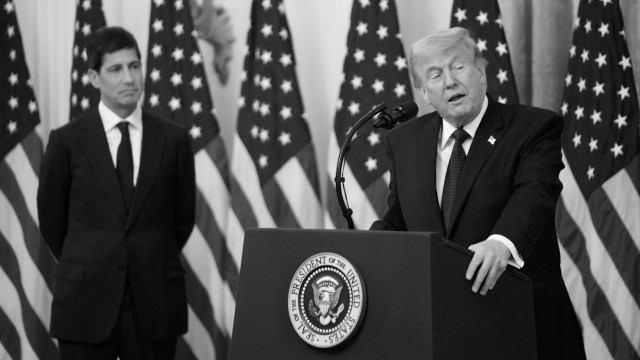
Trump Swears in Kevin Warsh as Federal Reserve Chair at the White House
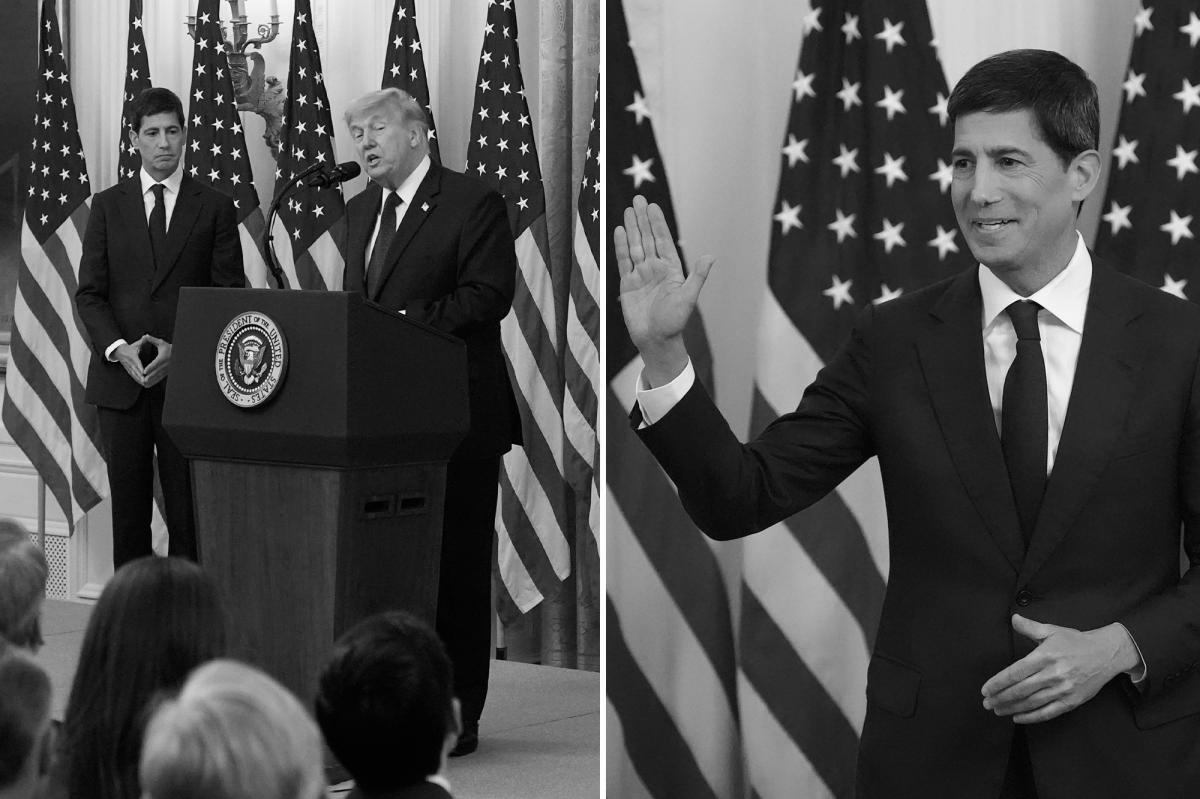
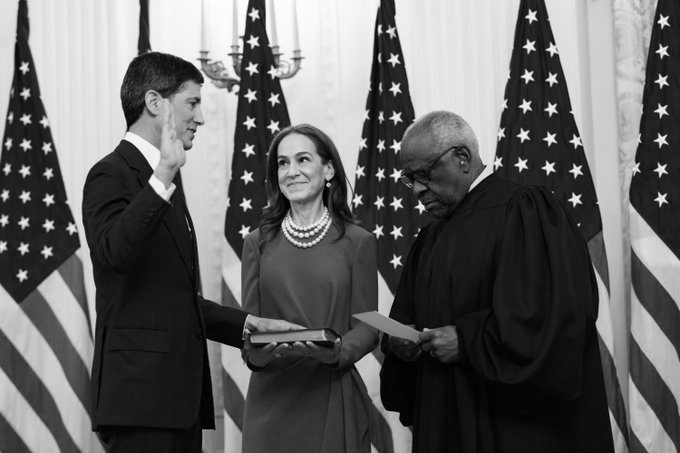
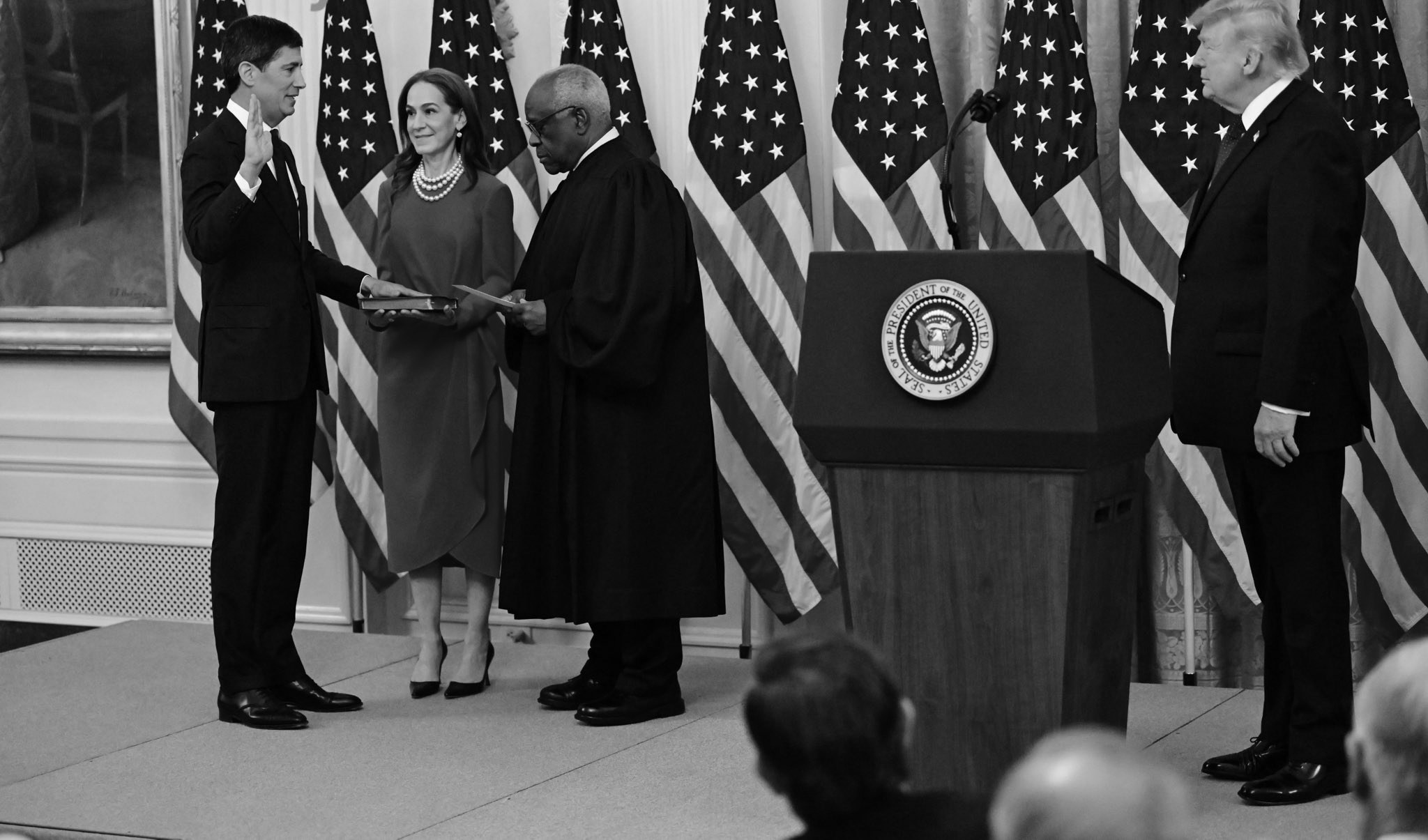
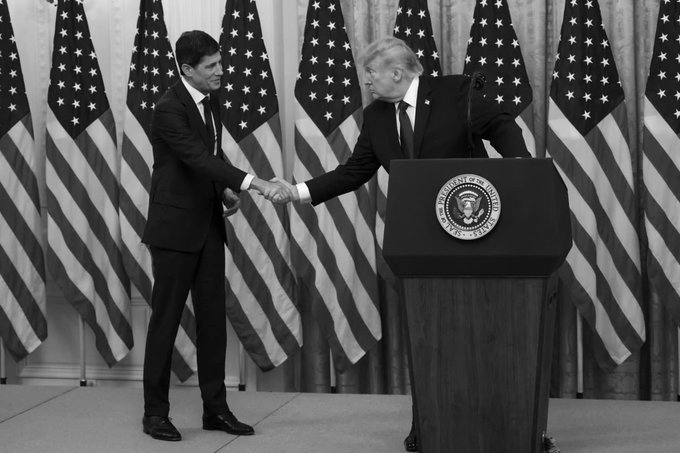
Kevin Warsh was sworn in as chair of the Federal Reserve at a White House East Room ceremony, the first Fed chair sworn in at the White House since Alan Greenspan in 1987 , a detail that speaks less to tradition and more to a president who has spent years treating the world's most powerful central bank as a personal grievance. Trump, who once called Jerome Powell a man with "Trump derangement syndrome," finally got the chair he wanted. Whether the economy cooperates is another matter entirely.
Warsh, 56, is a Stanford and Harvard Law graduate who at age 35 became the youngest person ever confirmed to the Fed's Board of Governors, serving from 2006 to 2011 under George W. Bush. During the 2008 financial crisis, he served as the vital conduit between the Fed and Wall Street , leveraging his Morgan Stanley pedigree to separate bankers "arguing their book" from those offering genuinely useful intelligence. His wife is Jane Lauder of the Estée Lauder dynasty, and her family's decades-long relationship with Ronald Lauder and Trump is widely credited with bringing Warsh into the president's orbit, context Washington politely avoids mentioning but never forgets.
Warsh's selection emerged from a wide-ranging search involving up to 11 candidates, current and former Fed officials, prominent economists, Wall Street strategists before Trump settled on Warsh as what insiders called the "central casting" choice. His confirmation was nonetheless contentious, passing along strict party lines , with only Pennsylvania Senator John Fetterman crossing the aisle. Republican Senator Thom Tillis held up the process for weeks, demanding the Justice Department drop its investigation into Powell over cost overruns on the Fed's headquarters renovation, a probe Powell himself denounced as a product of "threats and ongoing pressure" by the administration. The message behind that investigation was unmistakable: comply, or face institutional harassment. It was not a reassuring prologue for a central bank whose entire credibility rests on perceived independence.
The man Warsh replaces leaves a complicated legacy. Jerome Powell's eight-year tenure included the pandemic-era emergency rate cuts to near zero, the most aggressive tightening cycle in four decades, and five consecutive years of inflation above the Fed's 2% target , a record that gave Trump endless ammunition even as the Fed's actions were broadly conventional by any historical standard. Powell will remain on the Fed's Board of Governors, creating the quietly extraordinary dynamic of the ousted chair sitting at the same table voting alongside the man who replaced him. Washington has not seen institutional awkwardness of this particular vintage in living memory.
Warsh has described his agenda in sweeping terms "regime change" at the central bank, reducing the Fed's $6.7 trillion balance sheet , reforming institutional frameworks, and restoring what he calls a "reform-oriented" Federal Reserve. His instincts are genuinely unusual: hawkish on inflation and balance sheet discipline, yet relatively dovish on interest rates, arguing that tight money has disproportionately crushed small businesses. That combination has left markets perpetually uncertain about which Warsh shows up to any given FOMC meeting.
At the ceremony, Trump declared he wanted Warsh "totally independent", "don't look at me, don't look at anybody", before spending the rest of the day publicly demanding rate cuts at a rally. Warsh told lawmakers he would never "predetermine, commit, fix, or decide" any rate decision at the president's request. Former Fed chair Janet Yellen coolly noted that Warsh would need a majority of 11 other FOMC votes to actually move rates, a reminder that the Fed chair is not a monarch, however loudly a president performs otherwise.
Markets are betting on no rate cuts through most of 2026 and possibly a hike in early 2027, the polar opposite of everything Trump has demanded. A president wanting cuts, a chair whose instincts may not deliver them, and an economy where inflation actively argues against easing: the oath was immaculate. The contradiction it has sworn into office is not.