
Trump Signs Russia-Iran Sanctions Bill, India And China In 100% Tariff Crosshairs
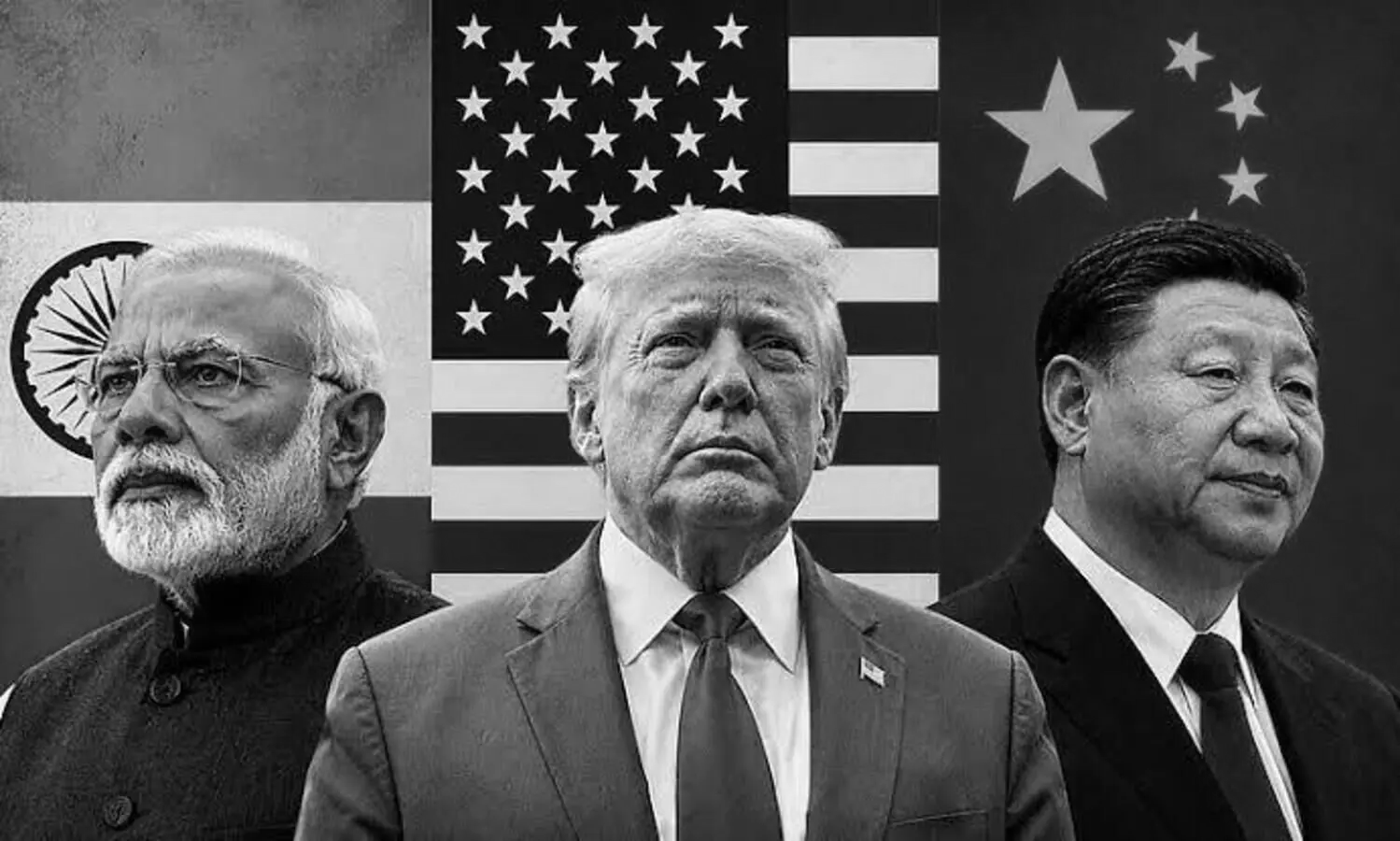
US President Donald Trump has signed a new Russia and Iran sanctions law giving him the power to impose tariffs of up to 100 per cent on countries that continue major business with Moscow, potentially putting India and China at risk because they are among the biggest buyers of Russian energy.
The White House said Trump signed H.R. 5334, formally known as the Lindsey O. Graham Sanctioning Russia and Iran Act of 2026, on Friday, September 18. The law expands sanctions and other economic restrictions on Russia while extending existing measures targeting Iran.
However, the legislation does not automatically impose a 100 per cent tariff on India. Any such tariff would depend on whether Trump chooses to use the authority granted under the law. The exact impact on Indian exports will therefore become clearer only if Washington announces specific measures.
New Delhi has already expressed concern over the potential impact on India-US ties and global energy markets. The Ministry of External Affairs said India was closely monitoring developments and reiterated that securing energy supplies remained a priority.
“India remains firmly committed to ensuring energy security for its 1.4 billion people,” the ministry said. India will continue buying energy from different sources based on prices, availability and prevailing market conditions. The MEA said the issue had been discussed with senior US officials in recent months, with India conveying concerns over the impact on bilateral ties and international energy markets.
The issue is particularly important because India imports more than 88 per cent of its crude oil, according to data cited by the Global Trade Research Initiative. Russian oil has become an important part of India’s energy mix since the Russia-Ukraine war disrupted established global oil trade routes. Indian refiners have continued buying Russian crude based on price, availability and market conditions.
The new law seeks to increase economic pressure on Moscow by targeting Russian officials, banks, energy interests and foreign entities supporting Russia’s military activities.
The Senate passed the legislation 86-11, while the Republican-led House approved it 262-159. Trump signed it two days after the House vote. The bill is named after the late Republican Senator Lindsey Graham, one of its key architects.
For India, any additional US tariffs would add another layer to an already complicated trade relationship. Trump had last year imposed an additional 25 per cent tariff on Indian imports over Russian crude purchases, on top of a separate 25 per cent reciprocal tariff. The Russia-related tariff was removed in February 2026, while the reciprocal tariff was reduced to 18 per cent under a US-India trade framework.