
Trump Says Iran Deal Could Come “Over the Weekend,” Tehran Says No Tangible Progress
Donald Trump has a talent for making diplomacy sound like a weekend errand. Peace talks with Iran are going very well, he says. The Strait of Hormuz could reopen. A deal might happen soon, perhaps this weekend, perhaps the next. He has been saying some version of this for months. And therein lies the problem. Repetition is not a resolution. A claim said often enough begins to acquire the texture of fact, but the texture is all it is.
Because while Trump was busy selling optimism, Iran apparently did not receive his memo. Tehran says there has been no tangible progress in negotiations. Iranian negotiators reportedly went silent entirely after Israeli strikes on Lebanon pulled the rug from under any diplomatic momentum. A tentative memorandum of understanding to extend the ceasefire by 60 days and open formal nuclear negotiations was reportedly being discussed, but Tehran had yet to provide its response to the latest version. That is not a deal. That is two sides staring at each other across a corridor, neither willing to walk through the door first.
And then there is the frozen assets standoff , the financial deadlock that quietly kills every framework before it can breathe. Iran wants its money back, over a hundred billion dollars in oil revenues, foreign exchange reserves, and assets locked in overseas banks since 1979, compounded by decades of sanctions piled atop sanctions. Portions sit in Qatar, South Korea, Iraq, and China. Iran's position is blunt: release the cash first, then we negotiate. Washington's position is equally blunt: prove yourself first, then you get the cash. That is where the deal dies, in the corridor between a demand and a precondition. Iranian leaders cannot return to their public empty handed. Unfrozen billions are a victory you can broadcast on state television. America, for its part, knows that any large transfer of funds to Tehran is domestically political dynamite.
The nuclear question has narrowed somewhat. The framework reportedly under discussion would allow Iran a limited civilian nuclear program under international monitoring, with negotiations zeroing in on enrichment levels, stockpile quantities, and inspection protocols. That is movement, of a kind. But it is nowhere near the permanent, comprehensive fix Trump has been advertising. Trump himself acknowledged on April 12 that most points had been agreed upon, but the only point that truly mattered, nuclear, was not.
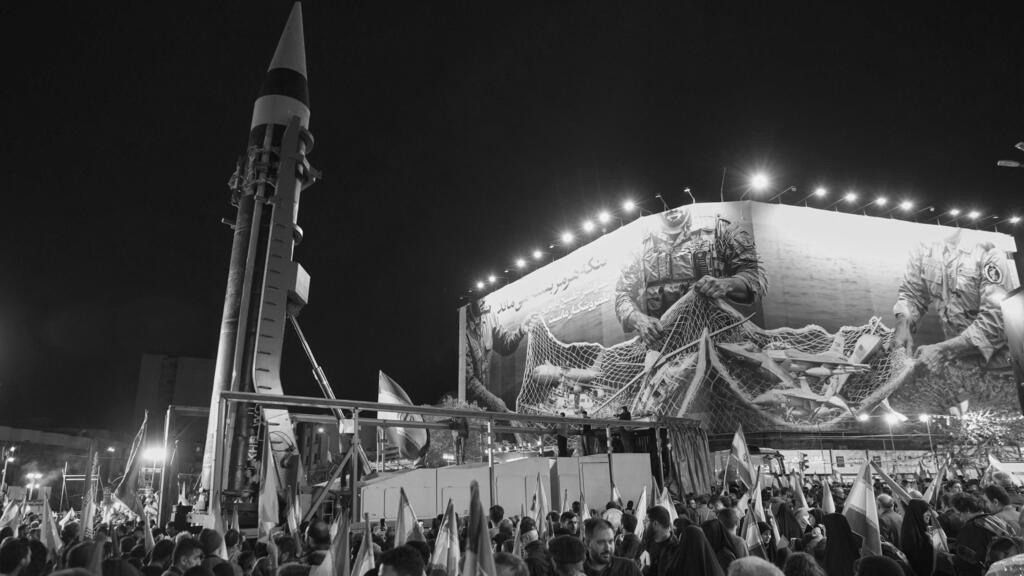
Meanwhile, whatever passes for a ceasefire on the ground is doing a poor impression of one. Trump, when pressed by reporters on continued Iranian military activity, offered a definition for the ages: a ceasefire, in his telling, is when you are shooting in a more moderate manner . The Cambridge Dictionary may need a revision . An Indian national was killed in an Iranian strike on Kuwait's International Airport. Iran denied the attack and blamed a US Patriot missile misfire . The US Central Command called that claim false, describing the strike as deliberate and calculated against a civilian airport . Separately, the Iranian navy targeted a US military vessel in the Sea of Oman. Iran said the ship was breaching the Hormuz blockade. CENTCOM said Iran was lying and American assets were operating freely.
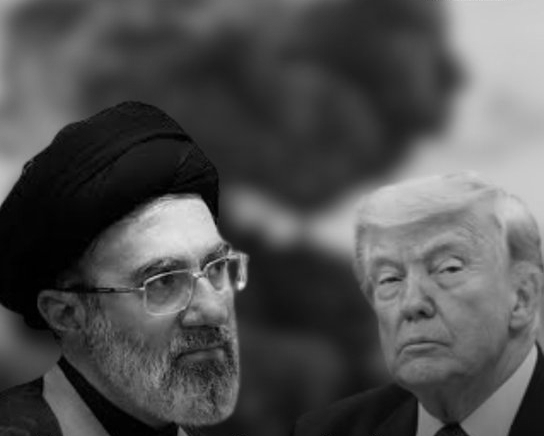
Both sides have acknowledged some progress in negotiations while simultaneously issuing military threats, a contradiction that captures the absurdity of the current moment with precision. The IRGC warned it was ready to deliver a decisive response to any new attack. Trump said he and Supreme Leader Khamenei seem to be getting along quite well. If this is getting along well, the mind recoils at what a rough patch might look like.
Diplomacy is not a kettle. It does not boil on demand, and no amount of weekend optimism can substitute for the grinding, unglamorous work of actually closing the gaps.