
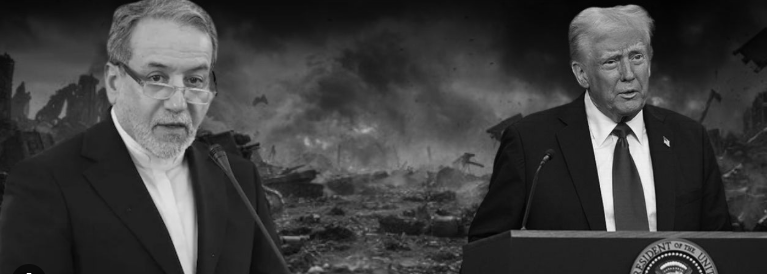
Trump Said He Didn't Care If Iran Walked Away, Then Immediately Brokered a Lebanon Deal
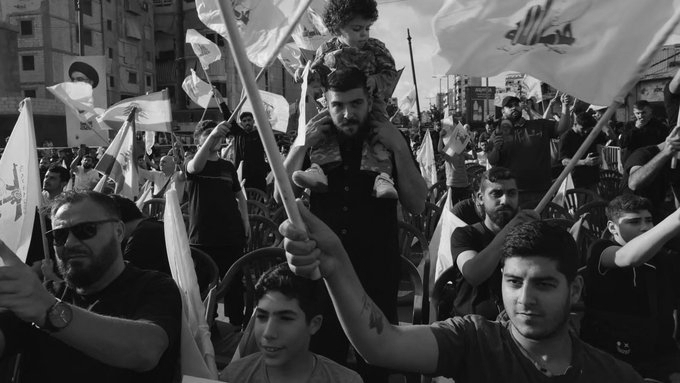
Donald Trump took to his favoured platforms to announce, with characteristic fanfare, that he had personally brokered a ceasefire between Israel and Hezbollah in Lebanon . Trump declared he had a "very productive call" with Israeli Prime Minister Benjamin Netanyahu , after which he wrote that there would be "no troops going to Beirut," and that any troops already on their way had been turned back. For good measure, Trump also claimed he had spoken through "highly placed representatives" with Hezbollah itself, and that they had agreed all shooting would stop.
The backstory to this sudden burst of peacemaking is, naturally, soaked in irony. Just hours before Trump's ceasefire announcement, Netanyahu had instructed his military to strike Beirut's Dahieh district, a Hezbollah stronghold, with plans coordinated with the United States. So Washington was simultaneously greenlighting bombs on Beirut and brokering a ceasefire. The left hand and the right hand are apparently not on speaking terms. Netanyahu had already made clear, right from the moment the US-Iran ceasefire was announced, that it "will not include Hezbollah”.
Meanwhile, as the rubble settled and the ceasefire ink was presumably still wet, Tehran was watching Lebanon burn and drawing its own conclusions. Iran's top negotiator Mohammad Bagher Ghalibaf declared that the US blockade of Iran's ports and Israel's war in Lebanon were "clear evidence" of Washington's noncompliance with the ceasefire, before the hammer dropped. Iranian state media reported that Tehran would suspend its nuclear negotiations with Washington if Israeli attacks in Lebanon continued .
And how did the leader of the free world respond to the potential collapse of months of painstaking diplomatic groundwork? With a shrug so magnificent it deserves its own monument. Trump told CNBC, "I don't care if they're over, honestly. I really don't care. I couldn't care less," adding that he thought the protracted talks "started to get very boring."
The deeper tragedy beneath all this geopolitical theatre lies in Iran's fractured house . President Masoud Pezeshkian , the moderate face Tehran elected with such cautious optimism, reportedly submitted his resignation to the office of the Supreme Leader , stating that his administration had been excluded from major decisions and that hardline factions, particularly the IRGC , had assumed control of key affairs. He reportedly lamented that he could neither govern effectively nor fulfil his legal duties. Iran denied it, as Iran does. But the cracks in the wall are visible even from a distance.
The IRGC and hardline parliamentary factions have waged a relentless war against the peace negotiations from the inside, flooding state media, rallying in the streets, and making theatrical declarations that they hold their lives "ready to sacrifice" rather than yield an inch to Washington. Iran's state television, run by a hardline management team, repeatedly described the negotiations as unsuccessful, prompting Pezeshkian himself to confront senior officials and demand they stop deepening divisions. He reminded them that even the former Supreme Leader Ayatollah Khamenei had once agreed Iran must come to the table. The response? Keep advertising that Iran should not negotiate.
A proposed memorandum of understanding between American and Iranian negotiators had outlined commitments including the reopening of the Strait of Hormuz , unfreezing Iranian assets, sanctions relief, and a 60-day window to address Tehran's uranium enrichment after a broader deal was struck. Trump sent it back over the weekend, demanding tougher language on nuclear commitments. Iran says there are currently no talks on the nuclear issue. The deal is not dead, but it is on a very uncomfortable ventilator.