
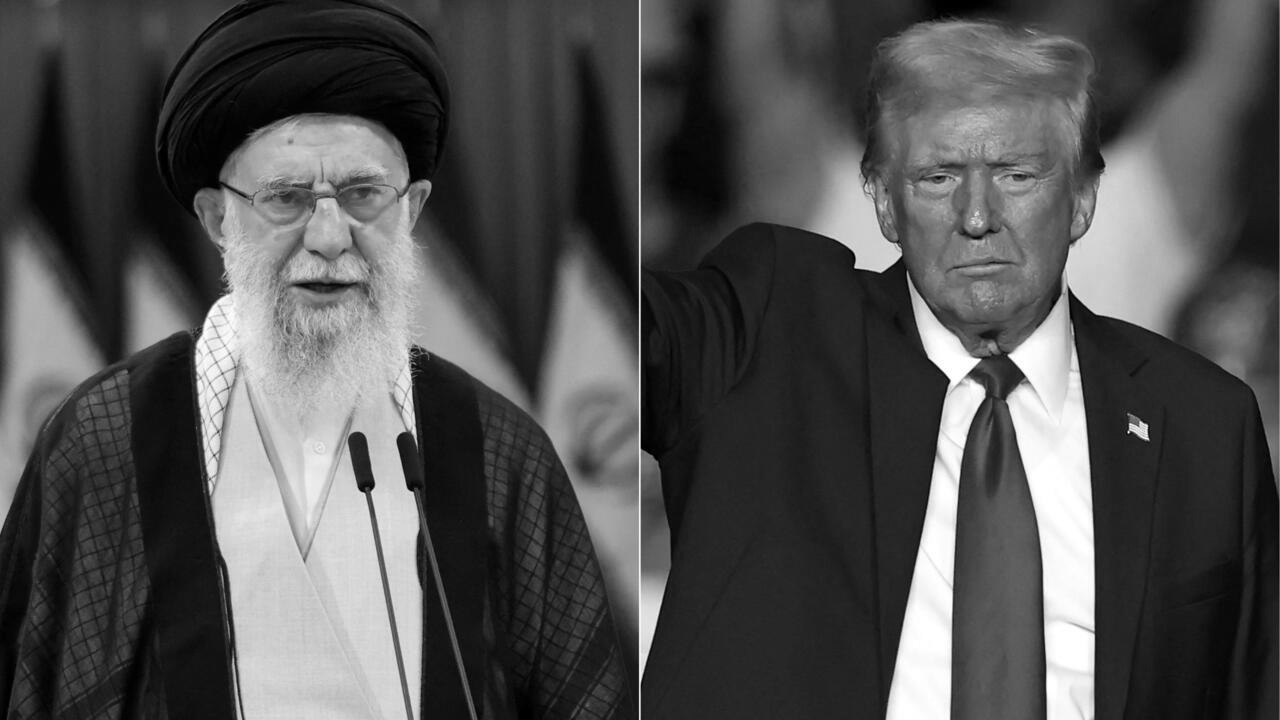
Trump pauses military option on Iran unrest, verifies Tehran backchannel as tariffs raise global alarm
US President Donald Trump has, for now, held back from ordering military action against Iran as Tehran continues a violent crackdown on nationwide protests that has reportedly killed nearly 600 people and led to the arrests of thousands. The White House says Trump is weighing “very strong options” even as he considers private outreach from Iranian officials suggesting a willingness to open talks.
White House press secretary Karoline Leavitt said the administration is receiving backchannel messages from Tehran that differ from Iran’s public rhetoric, and that the president wants to verify and explore those communications before taking the next step. However, US officials have not disclosed who exactly within the Iranian establishment sent the messages whether they came from the foreign ministry, parliament leadership, security officials or intermediaries making verification a key part of the White House assessment.
Trump also indicated that a meeting is being set up with Iranian officials, but details remain limited. The White House has not confirmed the location, format, or agenda for the proposed talks, including whether they will be direct or mediated, and whether the discussions will focus primarily on the protest crackdown, detainees, internet shutdowns, or broader issues such as Iran’s nuclear posture and regional security. Leavitt confirmed that Trump’s special envoy Steve Witkoff will be a key figure in any engagement with Tehran.
Even as he paused immediate military action, Trump announced a major escalation in economic pressure, saying the US would impose 25% tariffs on countries doing business with Iran, effective immediately. The White House has not yet released a detailed legal justification for the measure or clarified the enforcement framework, but it is expected to raise significant concerns among major economies that trade with Tehran, including China, the UAE, Turkey, Brazil and Russia , and could reshape global supply chains and energy-related commercial routes.
Although direct action against Iran has not been ordered, Washington’s military posture remains a central factor in the standoff. The administration has maintained that US forces can move quickly if needed, while broader Pentagon deployments in the region underscore readiness. Analysts say the combination of “standby” posture with visible global deployments is meant to keep Iran under pressure while diplomacy is tested.
Trump is simultaneously managing multiple foreign policy crises, including developments in Gaza and efforts to broker an end to the Russia-Ukraine war. Advocates of tougher action argue the Iran moment presents a strategic opening to weaken the country’s leadership as protests grow into a larger challenge to Supreme Leader Ayatollah Ali Khamenei . Several of Trump’s hawkish allies have publicly urged decisive action, warning against allowing Iran’s leadership to outlast the unrest.
Iran, however, has issued sharp warnings through parliamentary channels, stating that US forces and Israel would be considered “legitimate targets” if Washington uses force to protect demonstrators. Meanwhile, the European Union has leaned toward sanctions and political condemnation rather than military intervention, with EU leaders signalling that new punitive measures could be introduced against Iranian officials responsible for repression.
Protests continue across Iran but remain difficult to assess due to an ongoing internet blackout , which analysts say is limiting coordination and the spread of information between cities. Experts note that leaderless movements, while powerful, often struggle to sustain momentum under sustained repression, a factor that could shape Trump’s calculations in the coming days.