
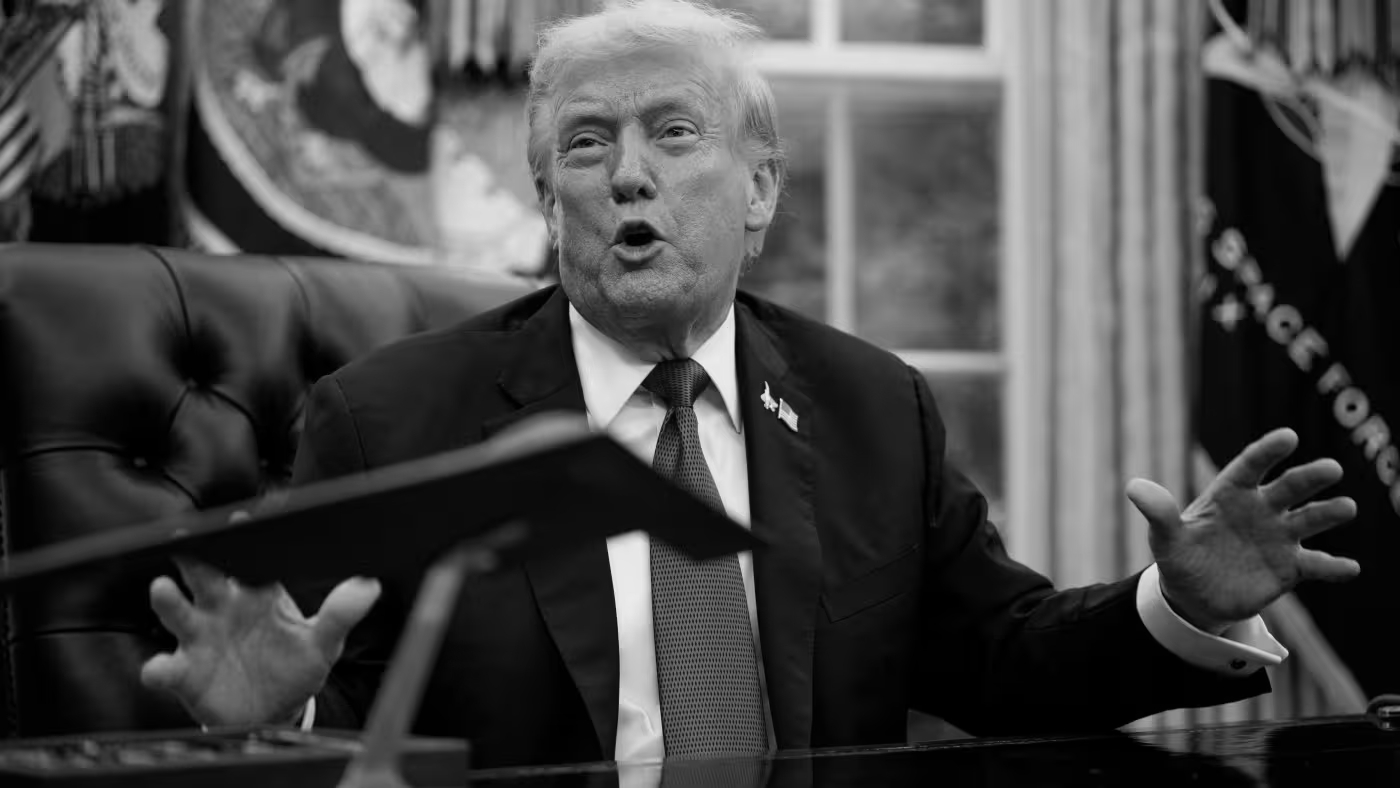
Trump opens 13M acres, pumps $625M into coal revival
The Trump administration on Monday announced sweeping measures to boost the struggling U.S. coal industry, opening 13 million acres of federal land for coal mining and allocating USD 625 million to modernize or recommission coal-fired power plants. The move comes as President Donald Trump seeks to reverse the long-term decline of coal, driven by competition from natural gas and environmental regulations.
The Energy and Interior Departments, along with the Environmental Protection Agency (EPA), unveiled orders to expand coal production and ease federal restrictions. The plan aligns with Trump’s earlier executive orders issued in April, designed to bolster coal—a reliable yet highly polluting energy source. Simultaneously, the administration has curtailed renewable energy development, including freezing offshore wind permits, ending clean energy tax credits, and blocking wind and solar projects on public lands.
Under the directives, fossil-fuel plants in Michigan and Pennsylvania are required to operate beyond their retirement dates to meet growing electricity demand driven by data centers, artificial intelligence, and electric vehicles. The measures aim to prevent potential power shortfalls nationwide. Federal agencies are also tasked with identifying coal resources on public lands, removing mining barriers, and prioritizing coal leasing. A Republican-backed tax law signed by Trump reduces coal royalty rates from 12.5% to 7%, which officials say will enhance U.S. coal competitiveness globally.
‘Mine Baby, Mine’
Interior Secretary Doug Burgum, EPA Administrator Lee Zeldin, and Energy Undersecretary Wells Griffith emphasized the economic benefits. “Everybody likes to say, drill baby, drill. I know that President Trump has another initiative for us, which is mine baby, mine,” Burgum said, highlighting job creation and economic growth across states from Montana to Alabama.
Environmental Backlash
Environmental groups criticized the plan as a misuse of federal funds. “Subsidising coal props up dirty, uncompetitive plants from last century,” said Ted Kelly, Clean Energy Director at the Environmental Defense Fund. Advocates argue that solar, wind, and battery storage are cheaper and faster ways to meet energy needs.
Coal’s share of U.S. electricity has fallen from 45% in 2010 to about 15% in 2024, with natural gas at 43% and the remainder from nuclear and renewables. Experts caution that coal’s revival is likely temporary, as cheaper natural gas and the growing renewable market continue to dominate.
Burgum said the administration’s actions, combined with tax incentives and prior orders, aim to ensure “abundant, affordable energy while reducing reliance on foreign coal and minerals.”