
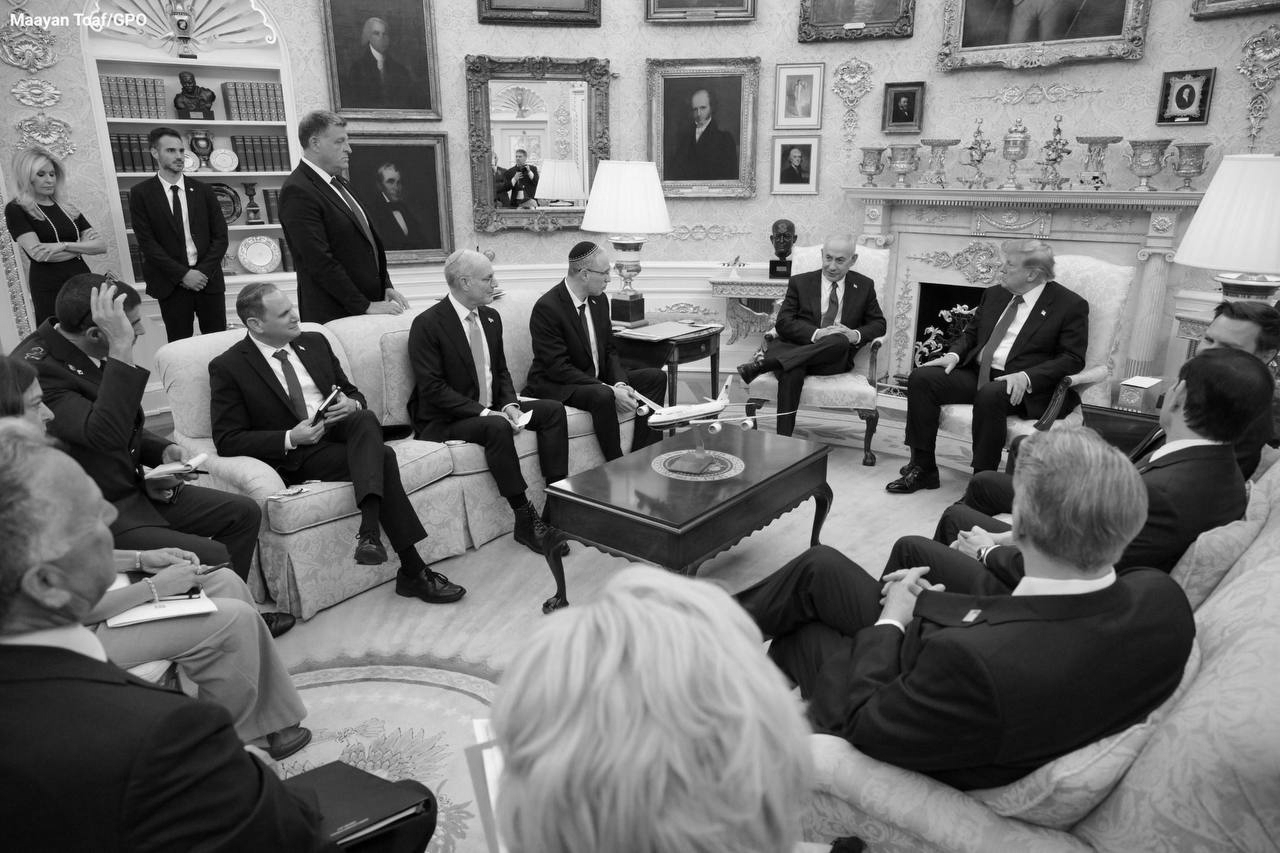
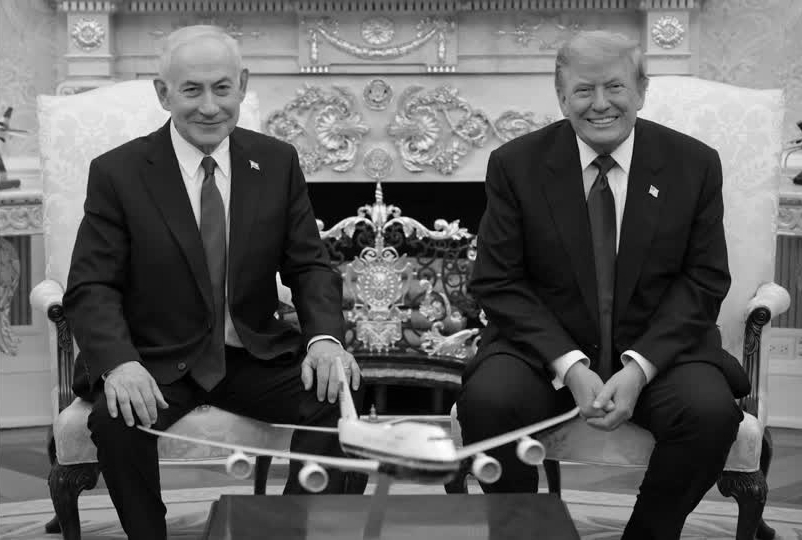
Trump, Netanyahu Hold High-Stakes Talks on Iran, Gaza and Regional Security
Israeli Prime Minister Benjamin Netanyahu held crucial talks with US President Donald Trump at the White House on Tuesday in their first face-to-face meeting since the two leaders launched a joint military campaign against Iran earlier this year. The high-level discussions come amid growing differences over Iran, continued conflicts in Gaza and Lebanon, and mounting domestic political pressures on both leaders.
While the US and Israel coordinated closely during the Iran conflict, their approaches have since diverged. Trump has increasingly favoured diplomacy with Tehran while maintaining that Iran must never acquire nuclear weapons, whereas Netanyahu continues to push for sustained pressure to dismantle Iran's nuclear programme. Ahead of the meeting, Trump admitted there were "a little" differences between the two leaders but insisted they remained "pretty close."
Iran's nuclear ambitions dominated the agenda, with Netanyahu expected to present fresh Israeli intelligence on Tehran's nuclear activities. Before leaving for Washington, he said he hoped to understand Trump's strategy towards Iran, adding that diplomacy would be welcome if it permanently ended the country's nuclear programme. Trump has also kept the military option open should negotiations fail.
Beyond Iran, the leaders discussed the US-Israel framework agreement with Lebanon, efforts to stabilise Gaza, and the expansion of the Abraham Accords, which normalised Israel's ties with several Arab nations. Another round of US-backed talks between Israel and Lebanon is scheduled in Rome next week, focusing on expanding security arrangements in southern Lebanon and strengthening the role of the Lebanese Army.
The humanitarian situation in Gaza also featured prominently. Israel has approved initial steps for a limited international stabilisation force in parts of southern Gaza under a US-backed post-war plan, although deployment will depend on security conditions and participating countries.
The meeting also reflects shifting political realities. Netanyahu is seeking to reinforce Israel's strategic partnership with Washington ahead of elections, while Trump faces pressure before the US midterm elections amid concerns over the economic impact of prolonged Middle East conflicts. With bipartisan American support for Israel declining over the Gaza war, the outcome of the talks is expected to influence future US-Iran diplomacy, regional security, and broader efforts to reshape the Middle East's geopolitical landscape.