
Trump In China: High-Stakes Xi Summit Exposes US-China Red Lines
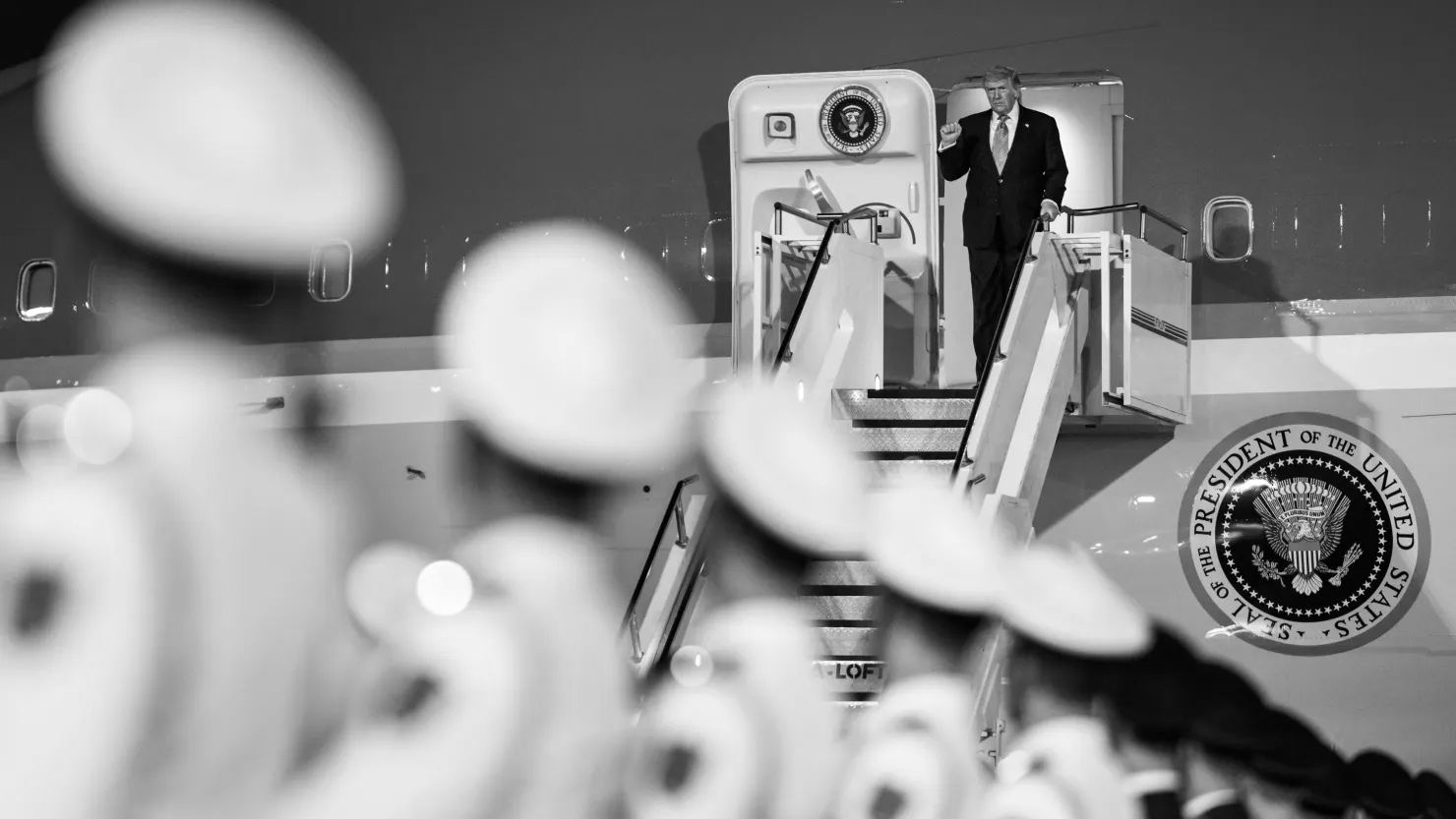
In what has been described as one of the most consequential diplomatic encounters in recent memory, US President Donald Trump arrived in Beijing on Wednesday for a landmark two-day summit with Chinese President Xi Jinping , the first visit by a sitting American president to China in nearly a decade. The world was watching, and Beijing made sure every moment of it was felt.
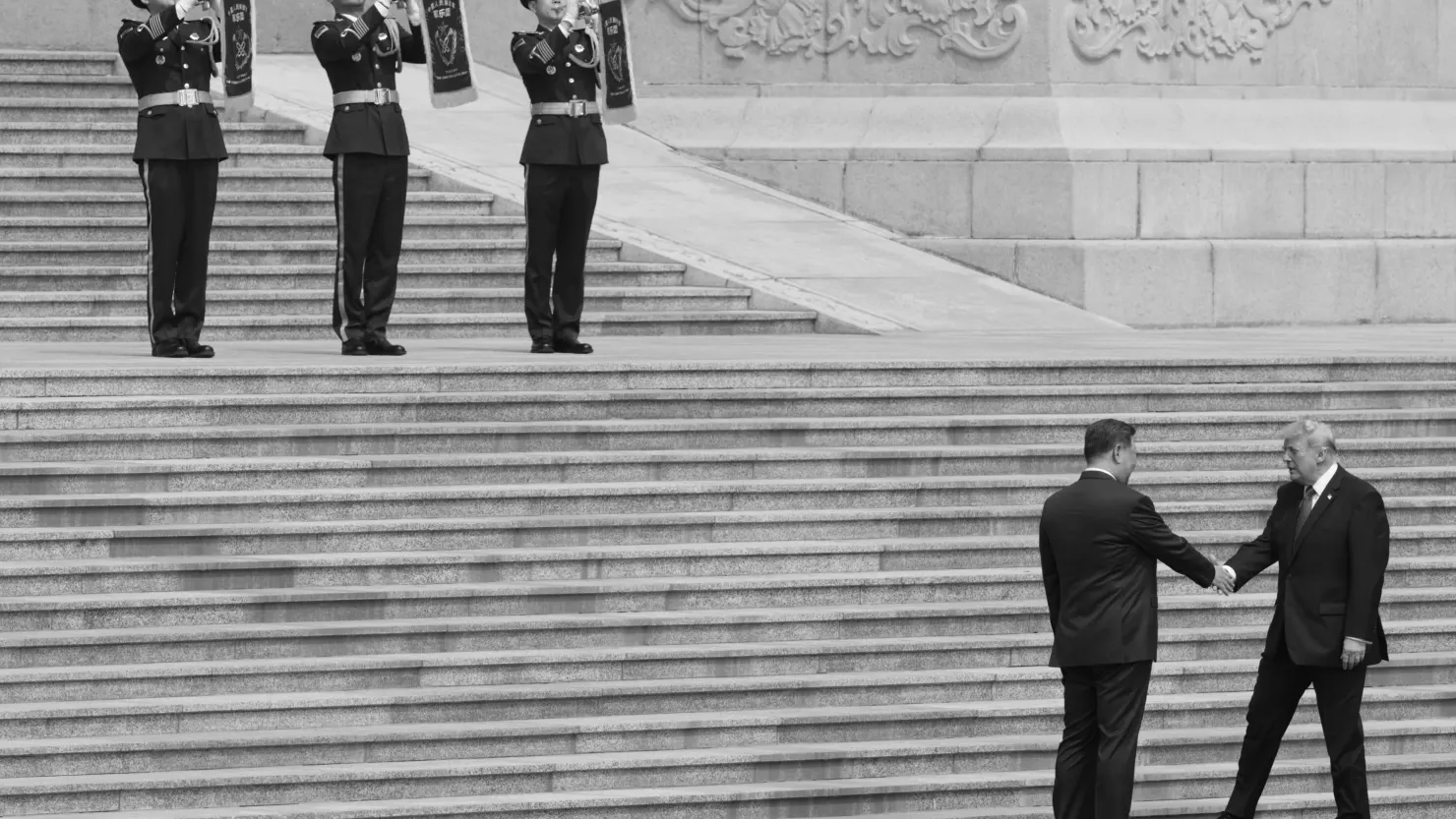
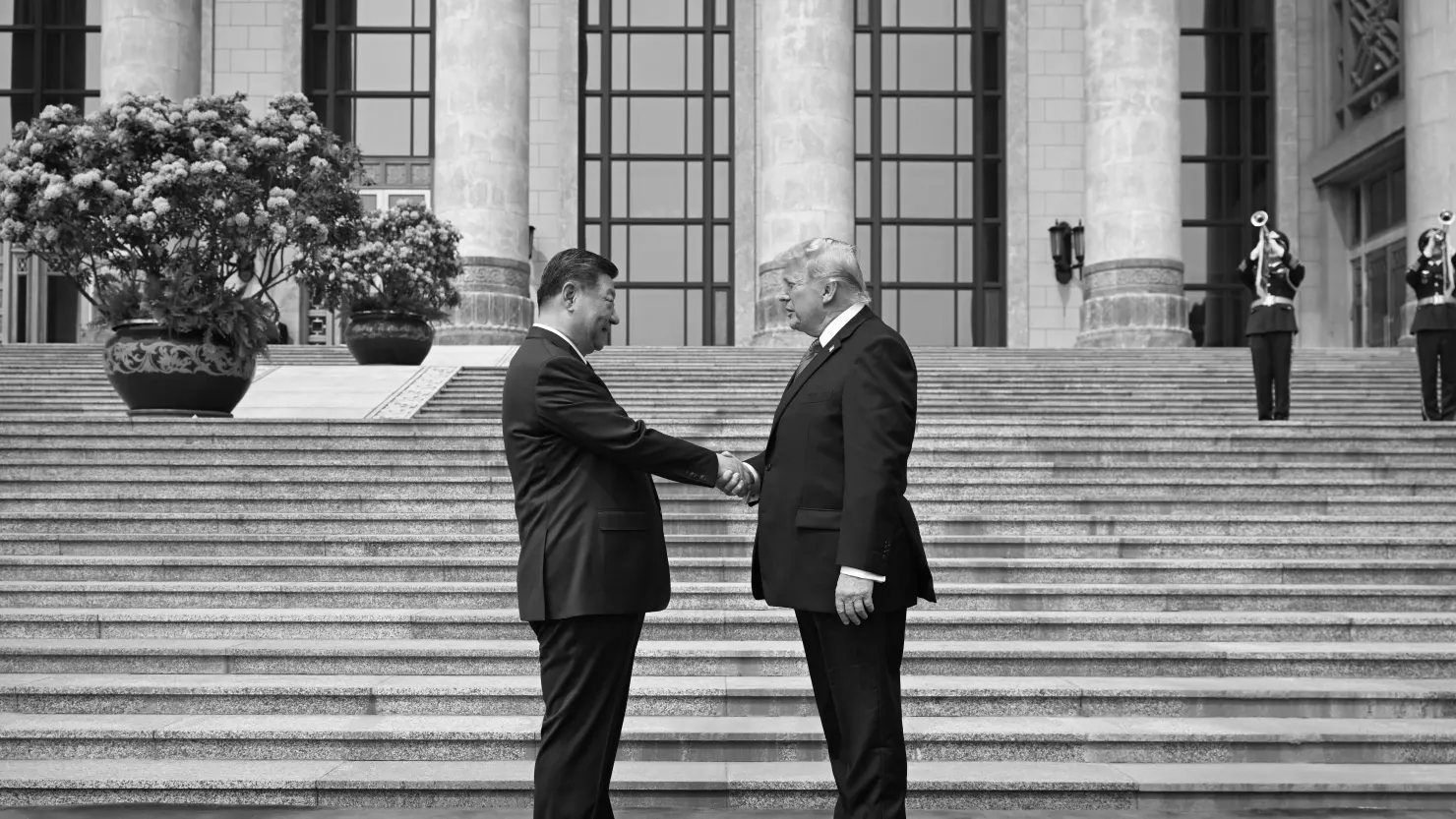
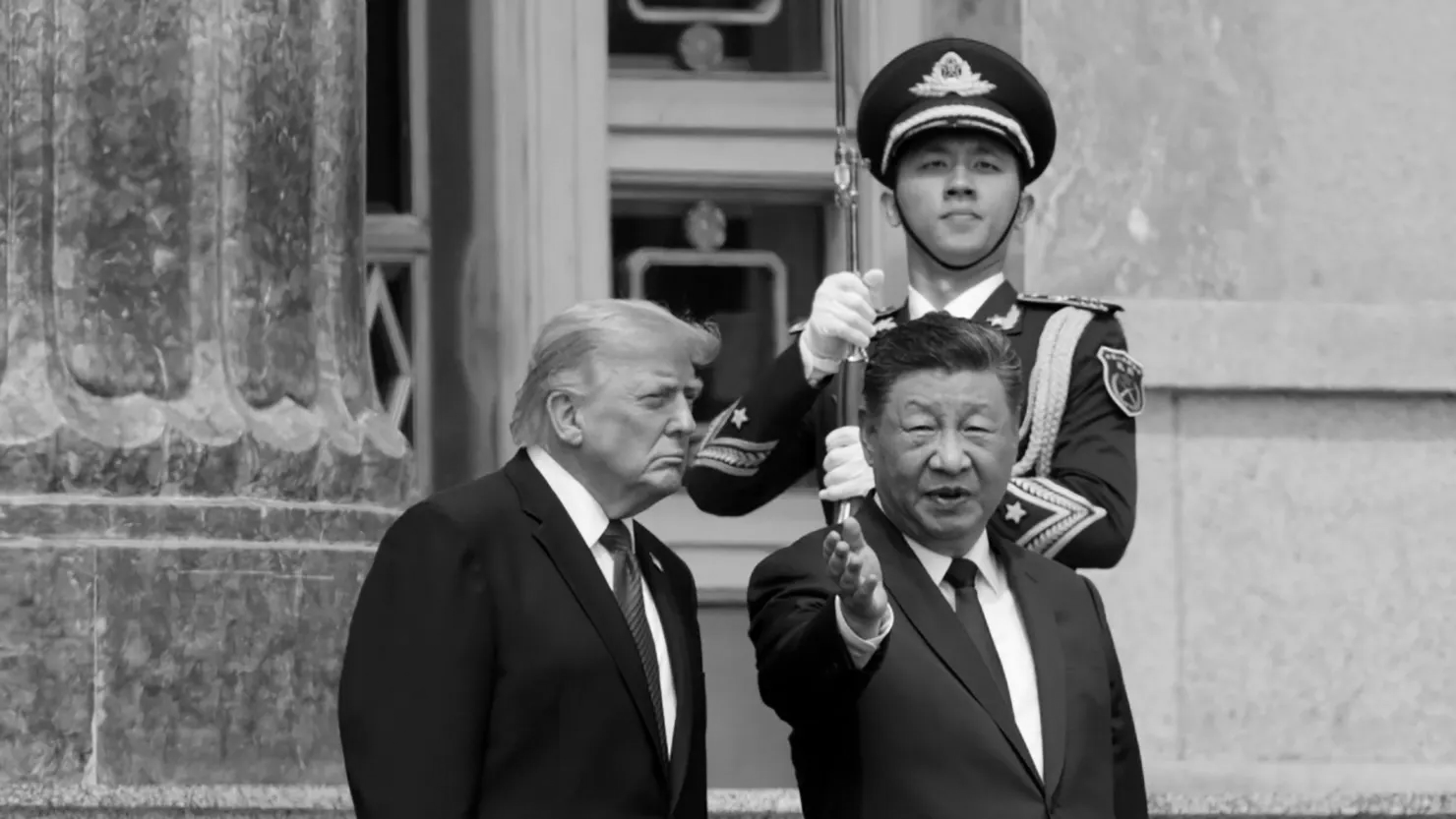
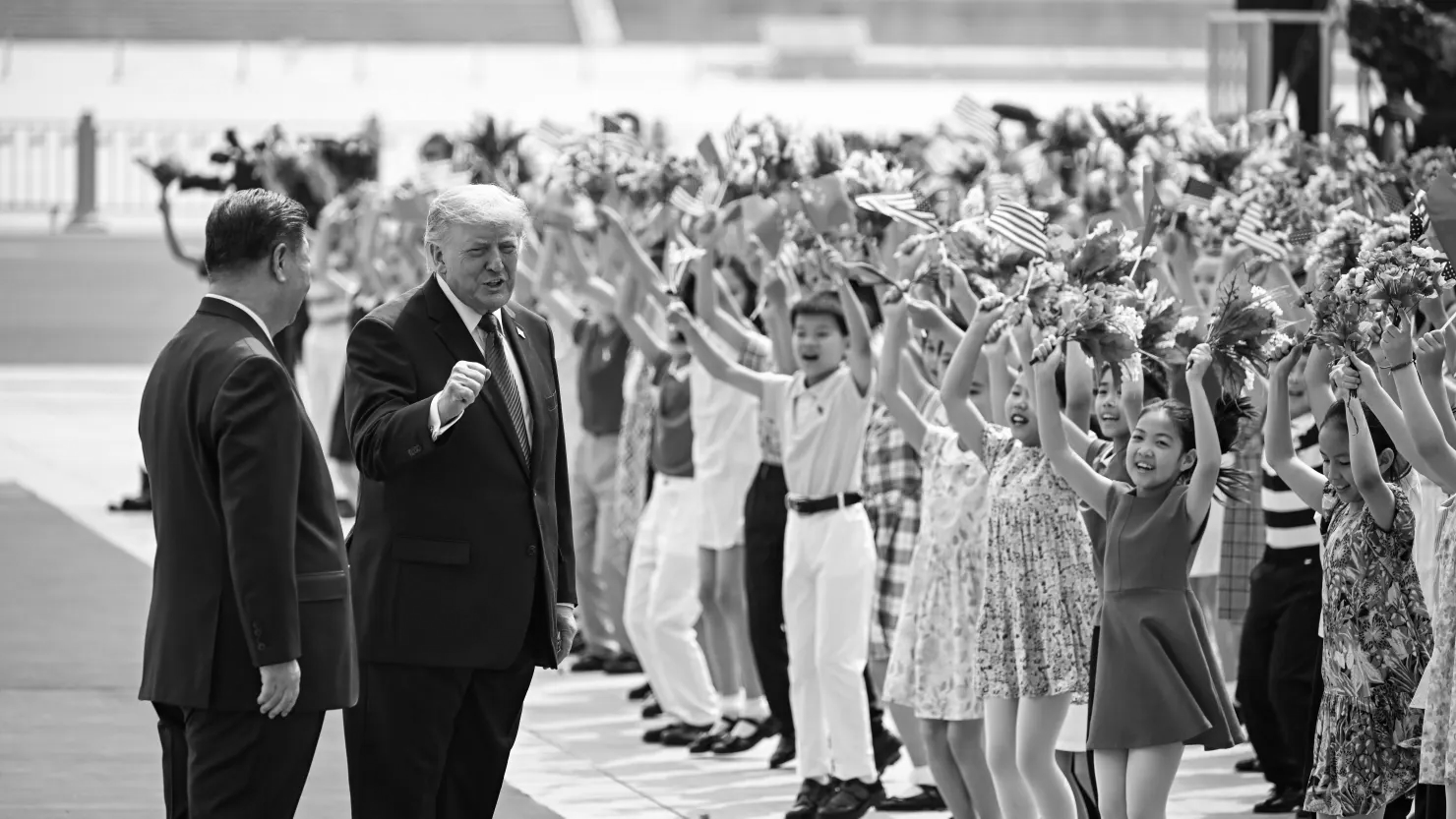
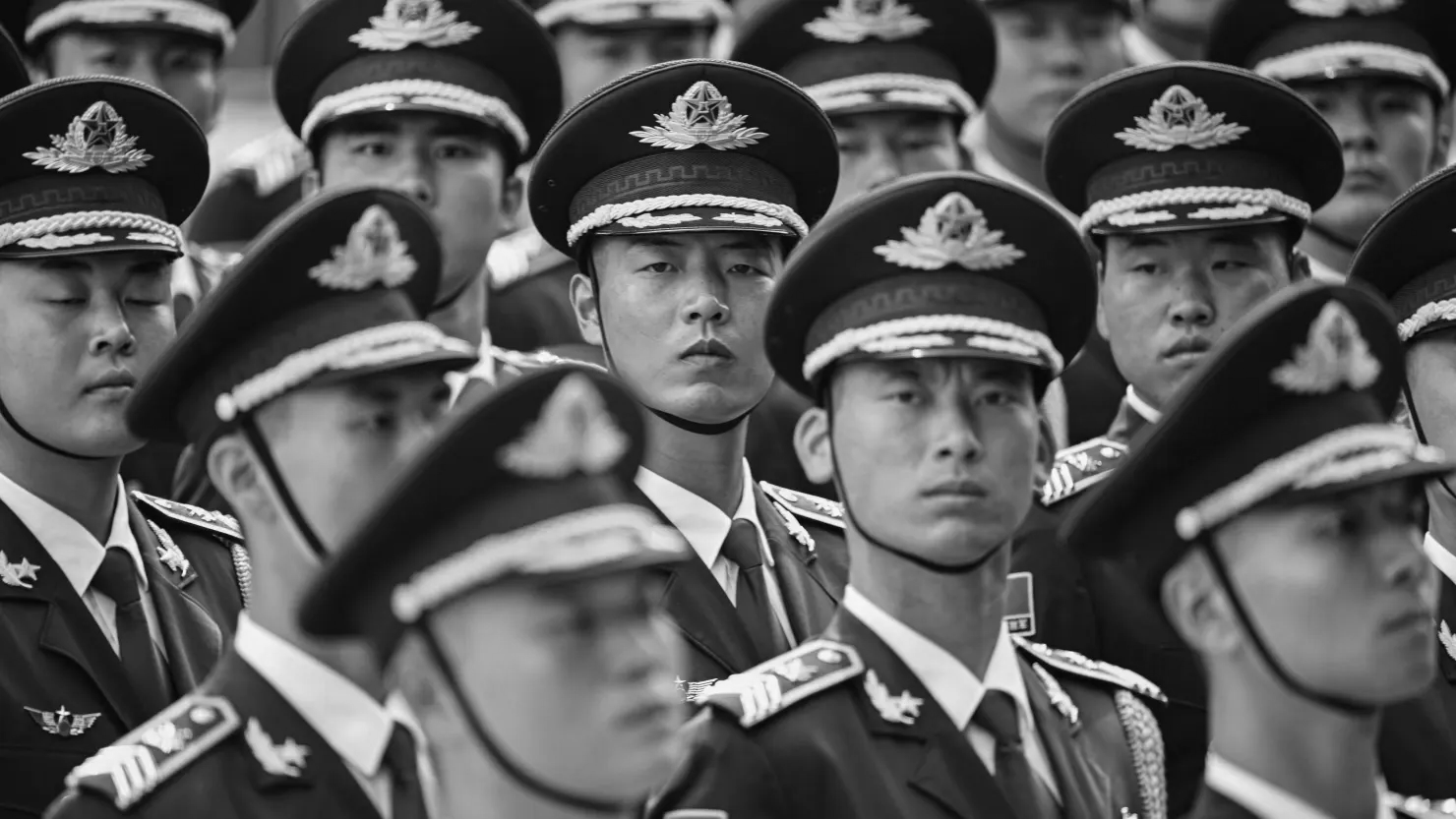
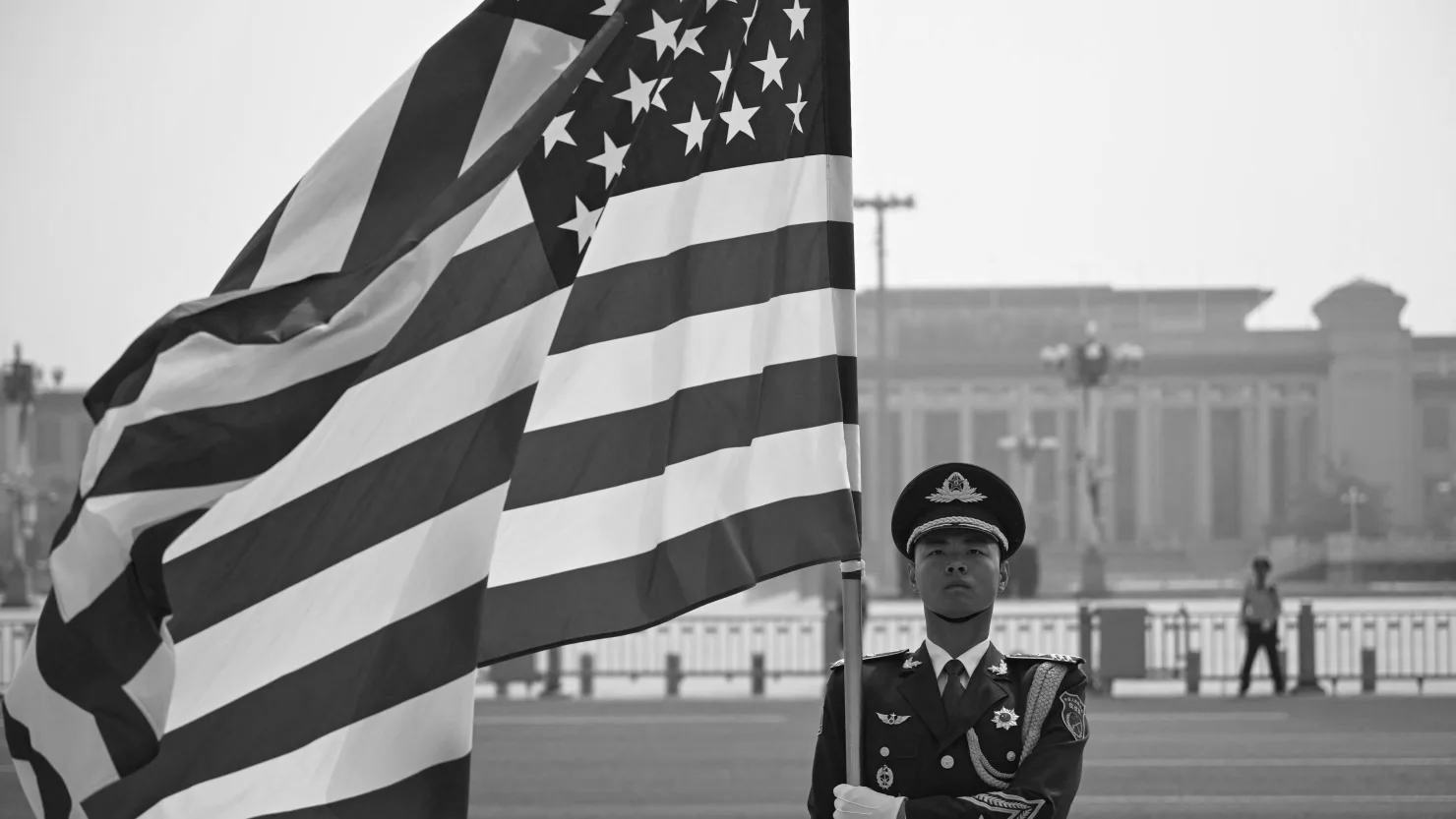
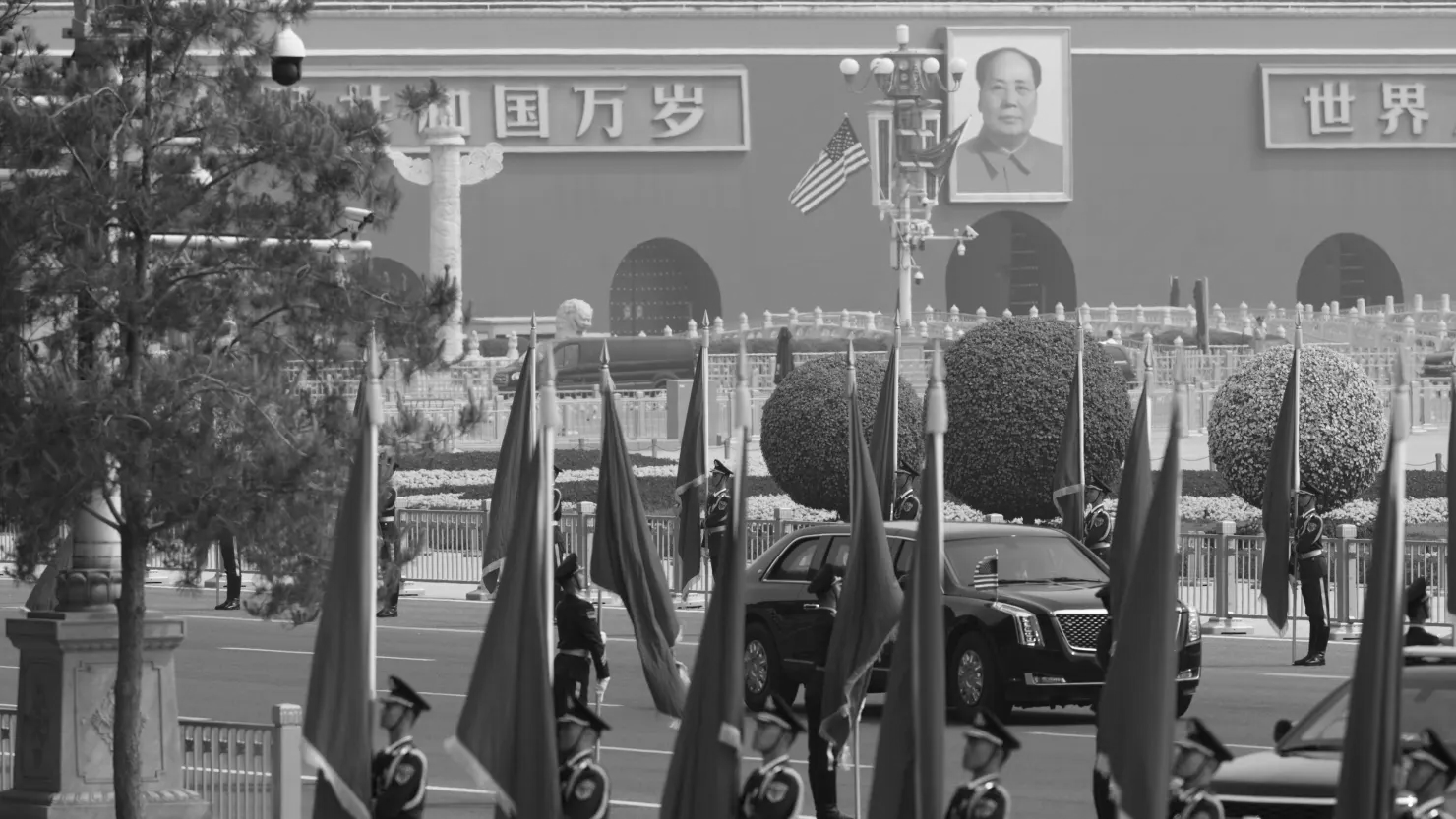
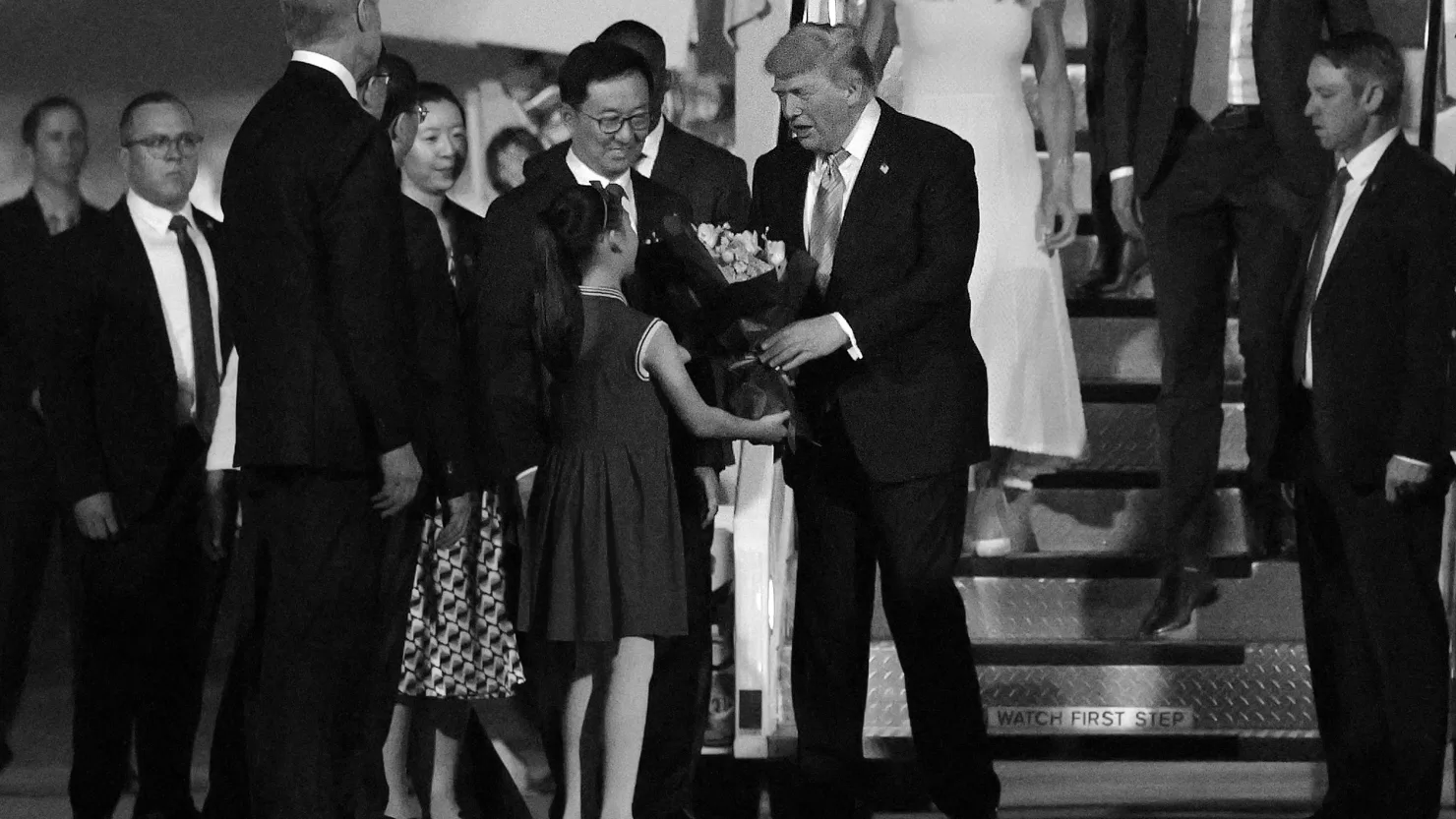
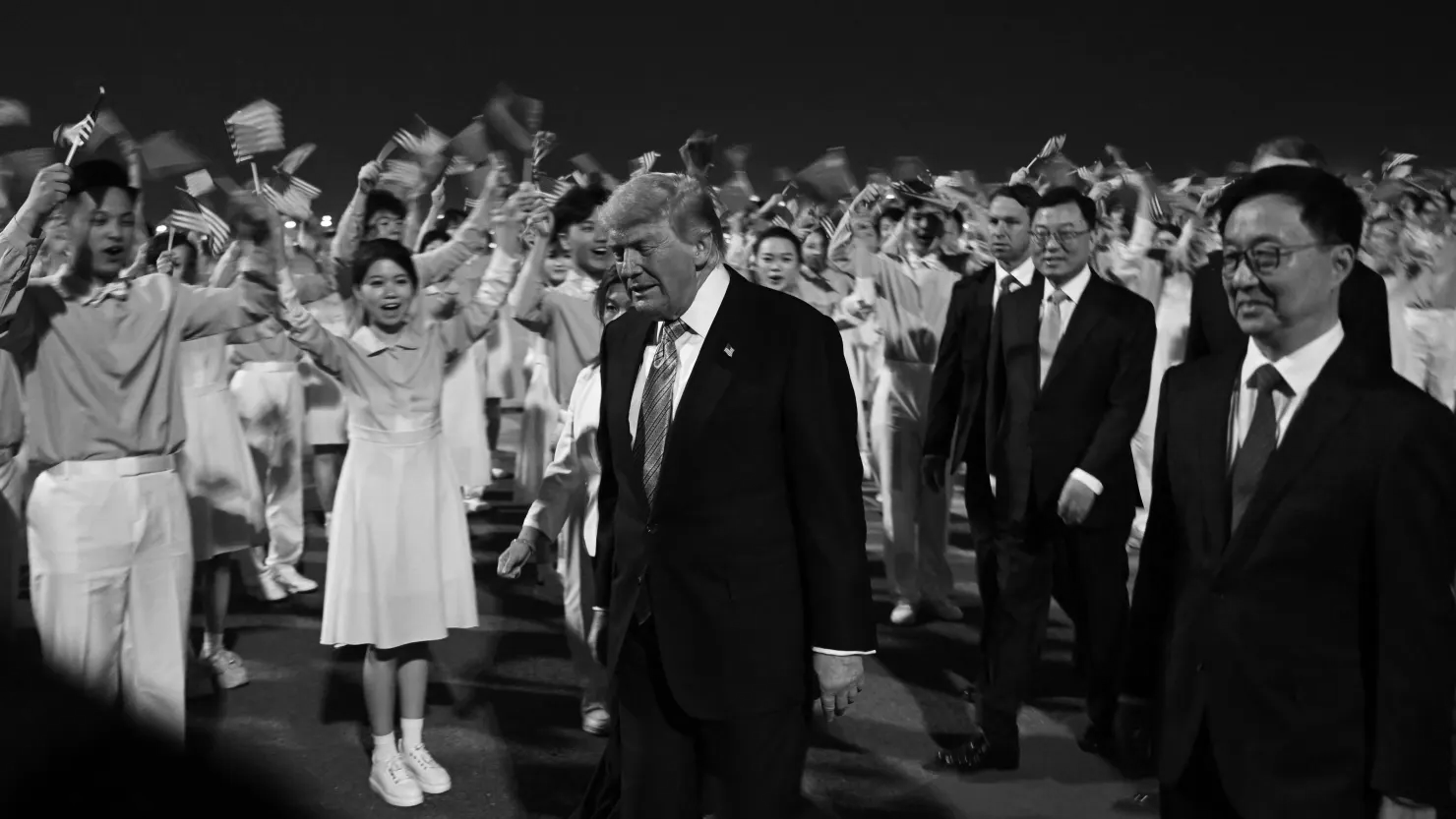
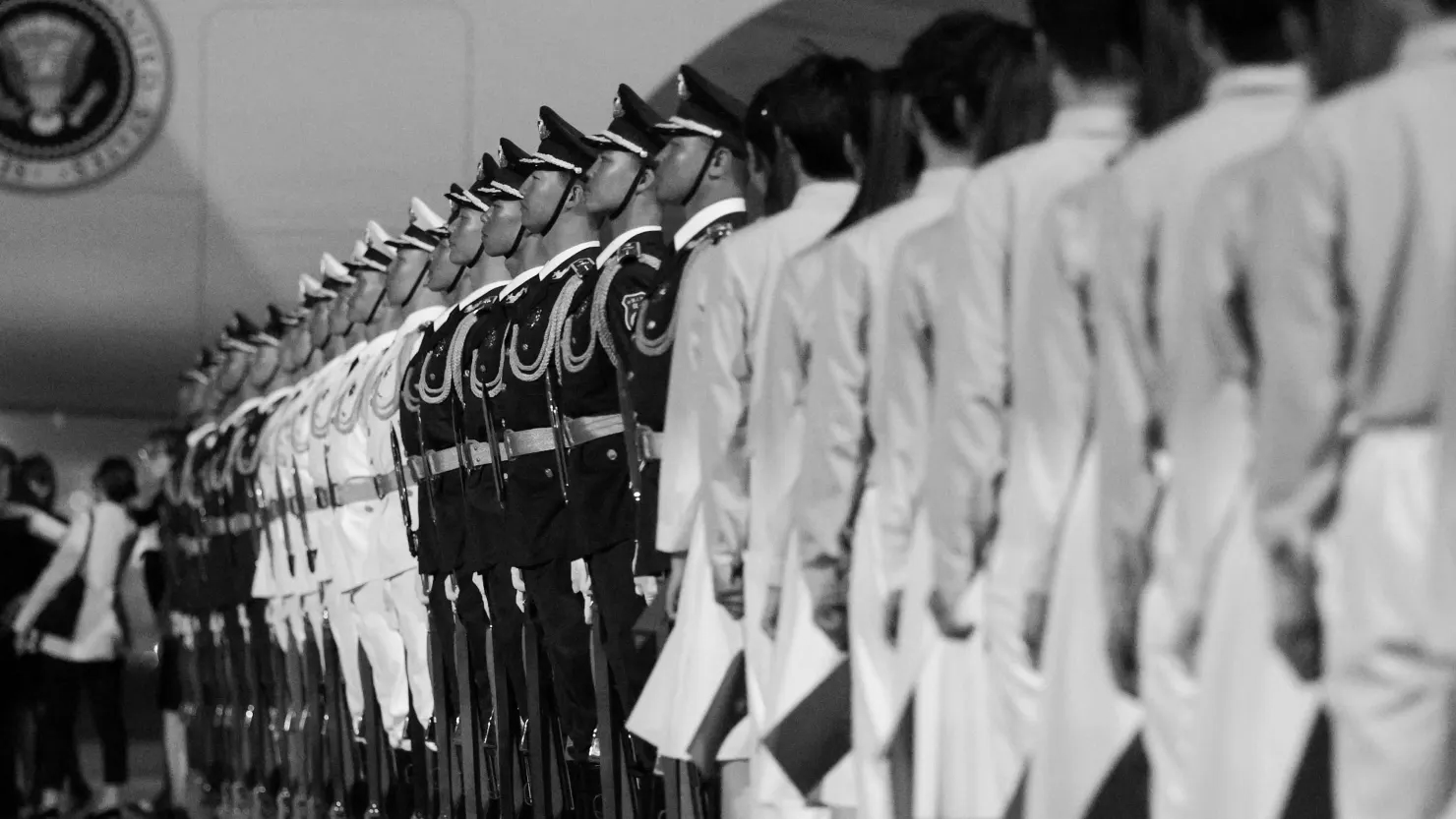
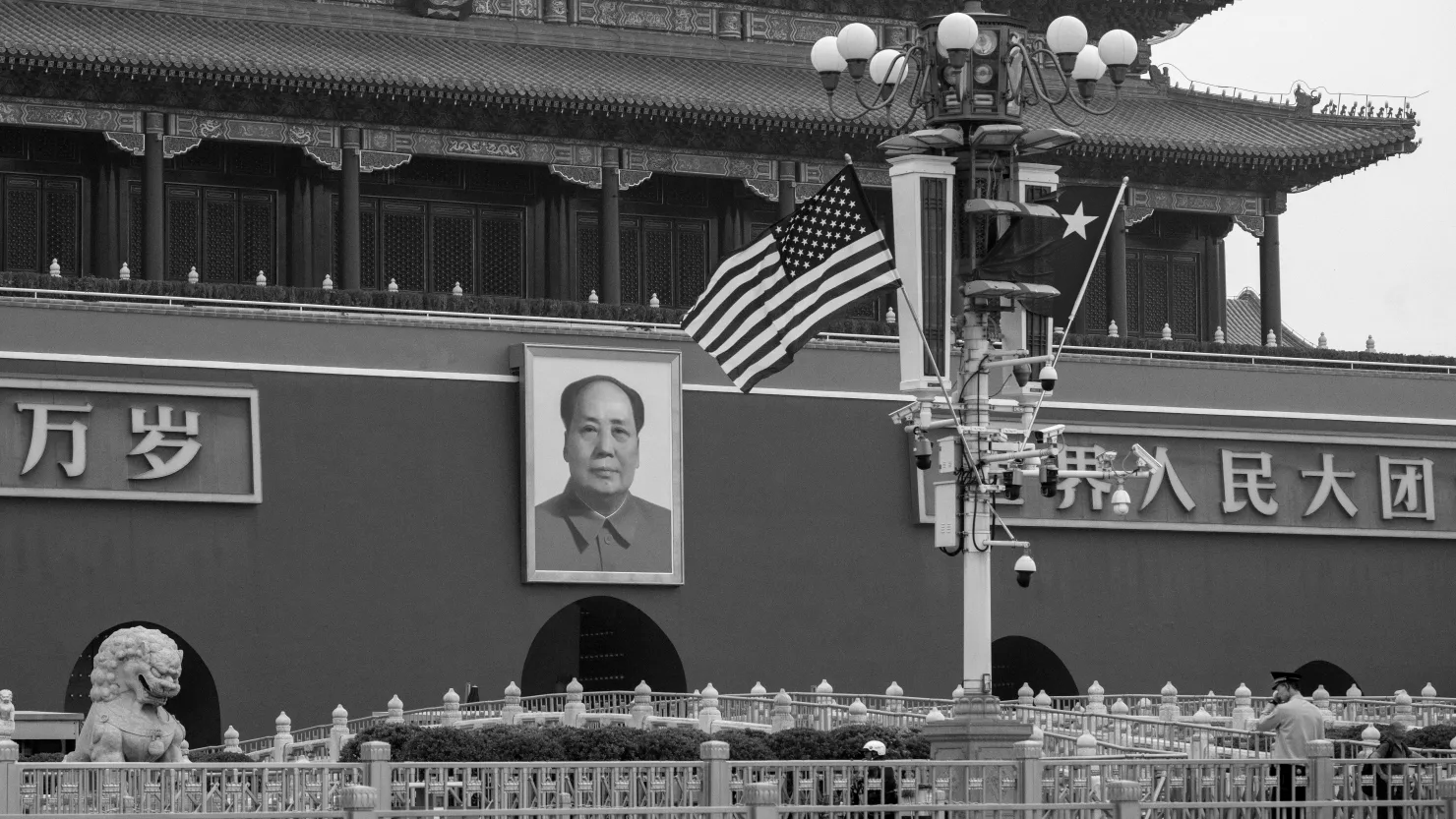
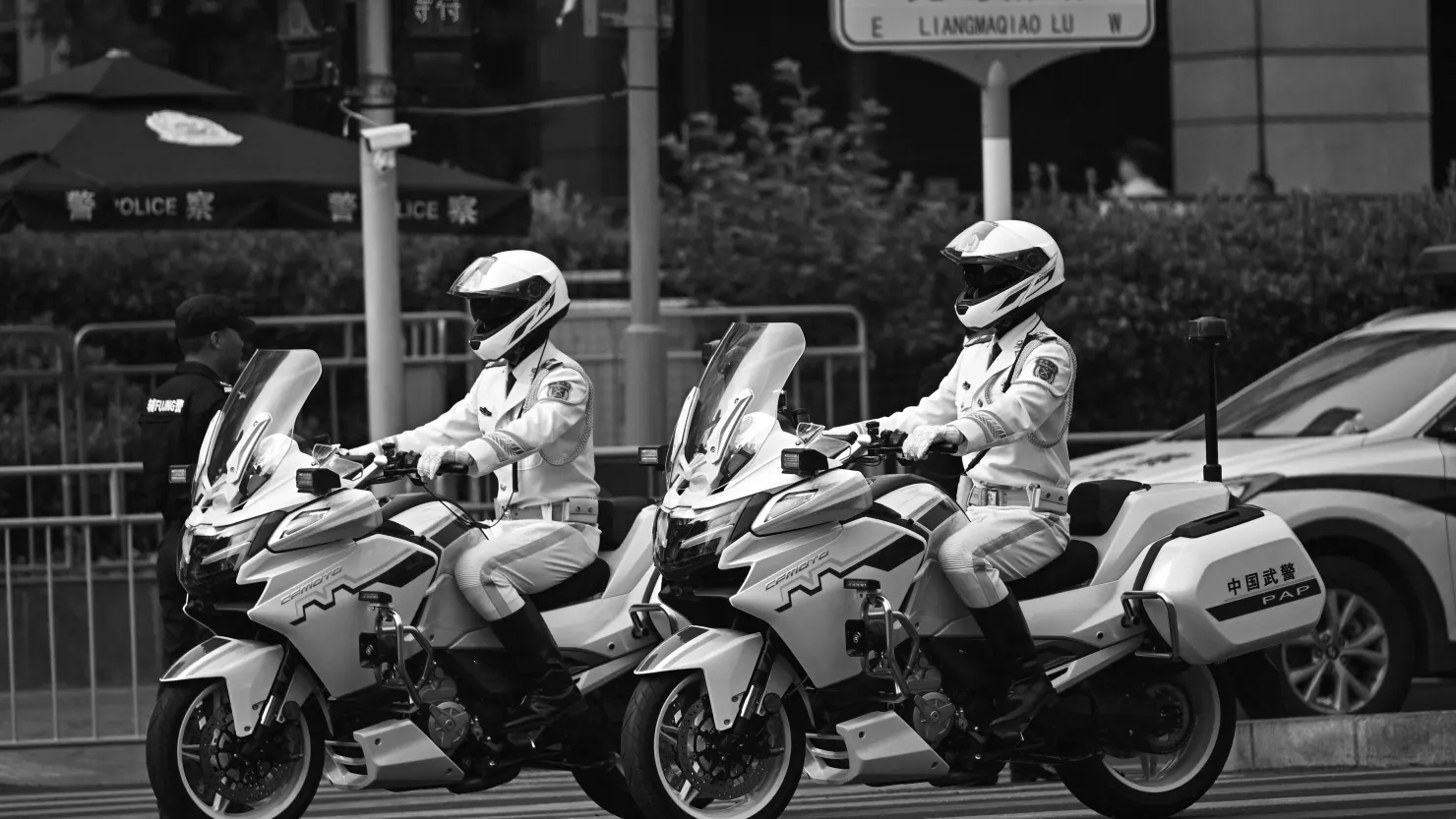
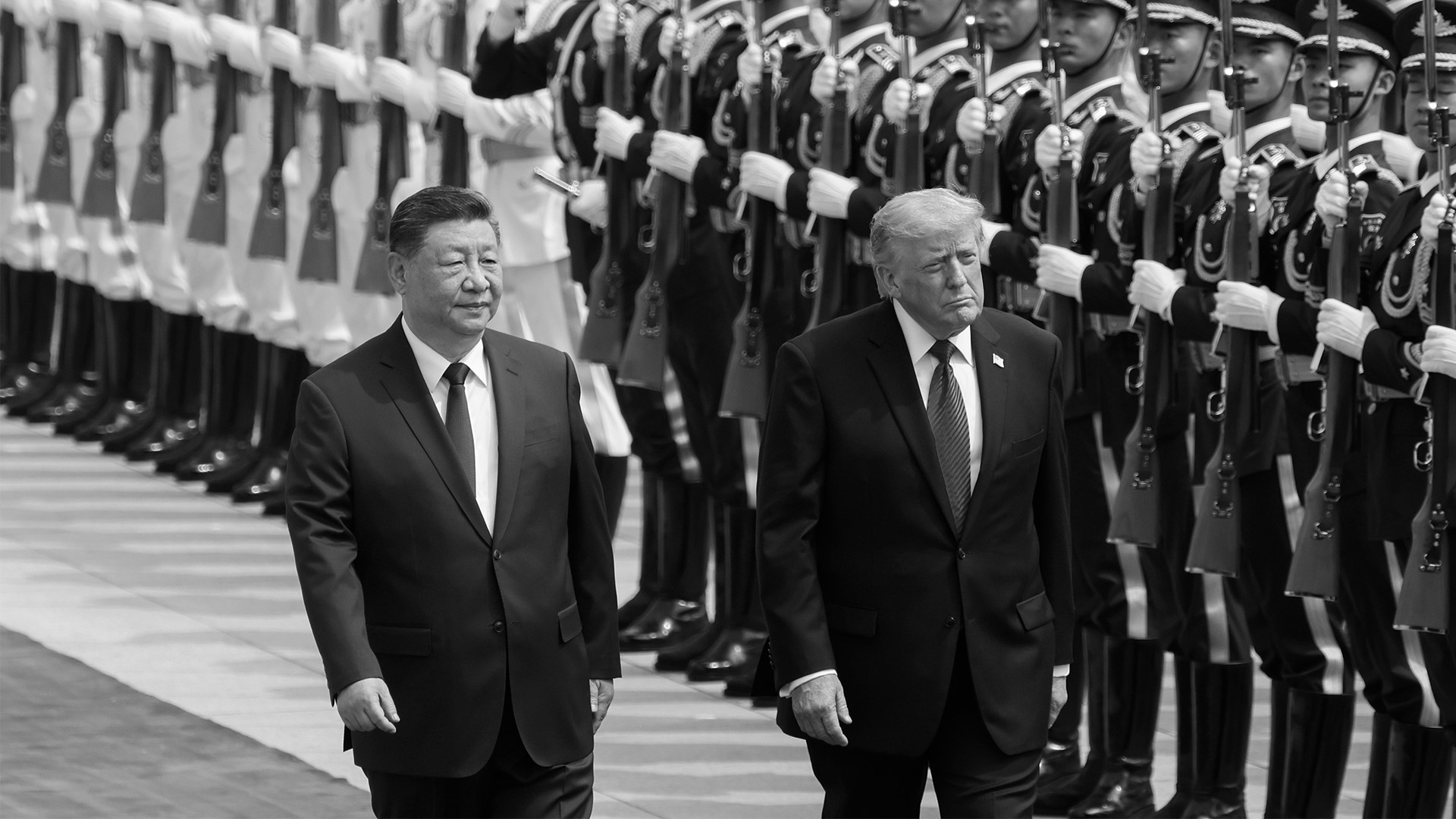
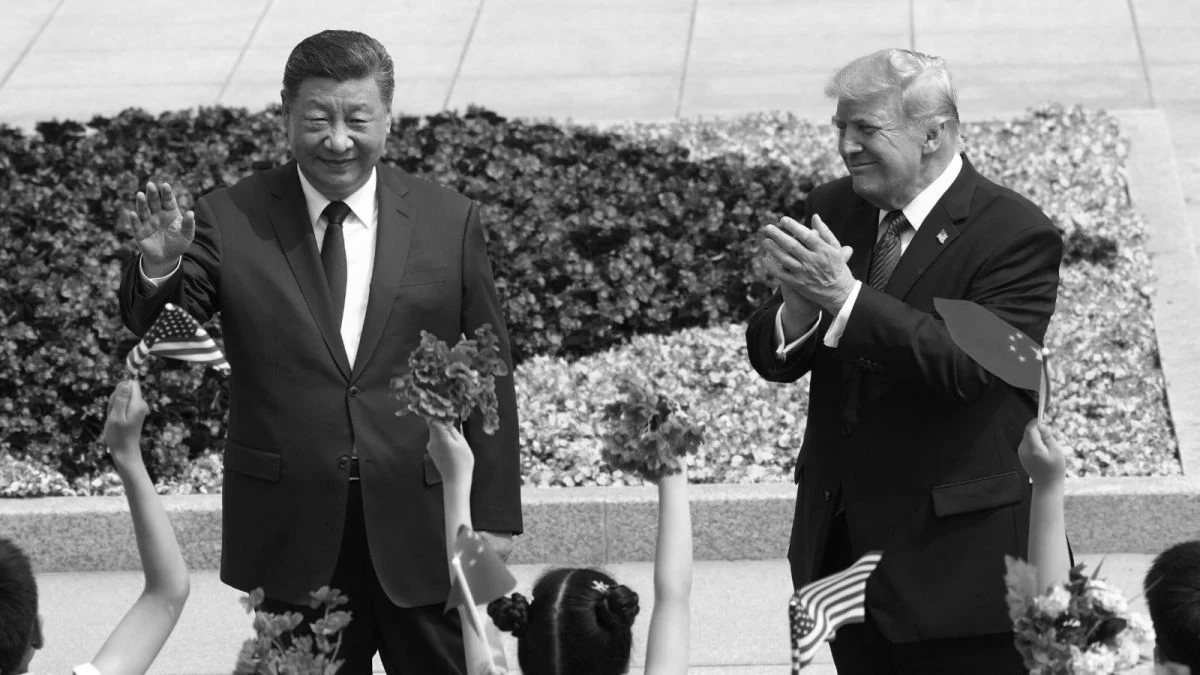
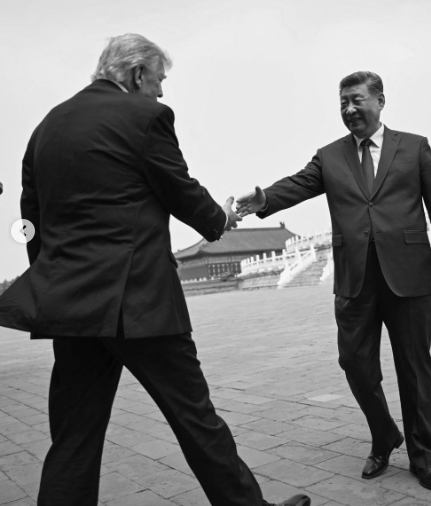
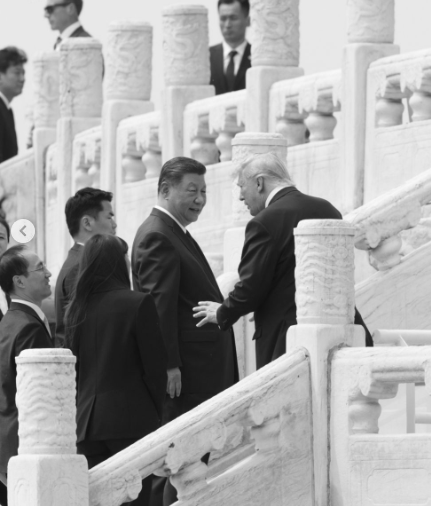
The welcome was nothing short of theatrical in the grandest sense. Trump received a red-carpet welcome when he landed at Beijing Capital International Airport, with a military honor guard, a band, and children waving both American and Chinese flags lining the sun-splashed streets. Outside the Great Hall of the People, Xi personally descended the stairs to greet Trump - a gesture laden with symbolism - before both leaders stood side by side for a 21-gun salute, national anthems, and a full military honors ceremony . This was not mere pageantry. Every frame of it was a carefully constructed message: that Beijing was taking this meeting with the utmost seriousness.
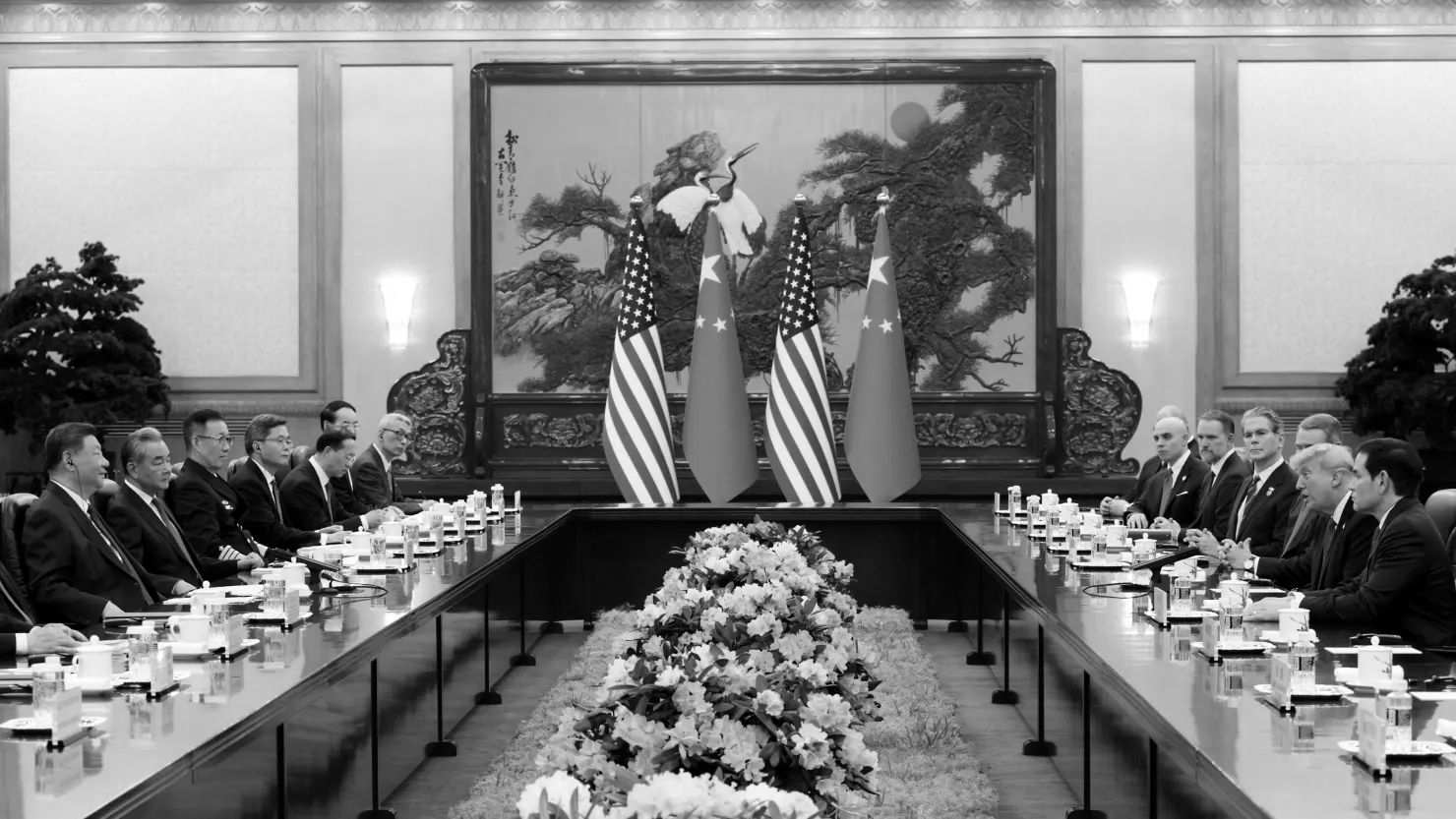
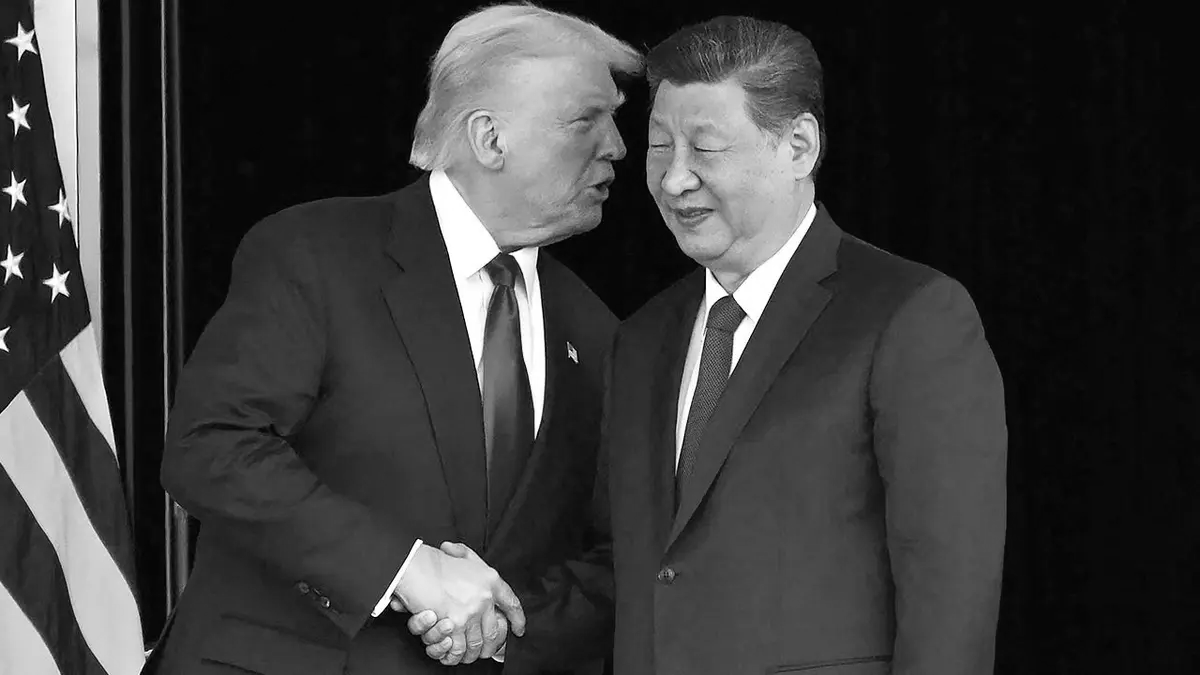
Trump's opening remarks set an optimistic tone: "The relationship between China and the USA is going to be better than ever before," he said, standing inside the cavernous Great Hall of the People. Xi, for his part, was equally forward-looking in his public posture. "The common interests between China and the U.S. outweigh their differences," Xi said. "Cooperation benefits both sides, while confrontation harms both." He also invoked a pointed philosophical question, asking whether the US and China could avoid the "Thucydides Trap", the historical pattern in which a rising power and a ruling power are drawn inevitably toward conflict.
But behind the warmth of the handshakes and the grandeur of the setting, the substance of the talks cut to the very heart of the world's most consequential and combustible bilateral relationship.
Taiwan dominated the conversation in a way that left no room for ambiguity. In private, Xi warned Trump that the most important bilateral issue to China is Taiwan, and that if it is mishandled, the two countries will "have clashes, or even conflicts." Xi reiterated that the Taiwan issue is the most critical matter in China-US ties: "Handle it well, the relationship holds; handle it badly, the two nations risk collision or conflict." That is about as stark a warning as one leader can deliver to another. Tellingly, the US readout made no mention of Taiwan at all , choosing instead to focus on trade and the Iran war, an omission that Taipei noticed and responded to immediately. Taiwan's government Cabinet spokesperson Michelle Lee said that Taipei is grateful for firm US support of the island, adding that "The US has also repeatedly reiterated its firm and clear position of support for Taiwan." Taiwan's representative to the United States went further, flatly calling China's claim on the island "bogus," pointing out that the People's Republic of China, founded in 1949, has never ruled or controlled Taiwan at any point in its history.
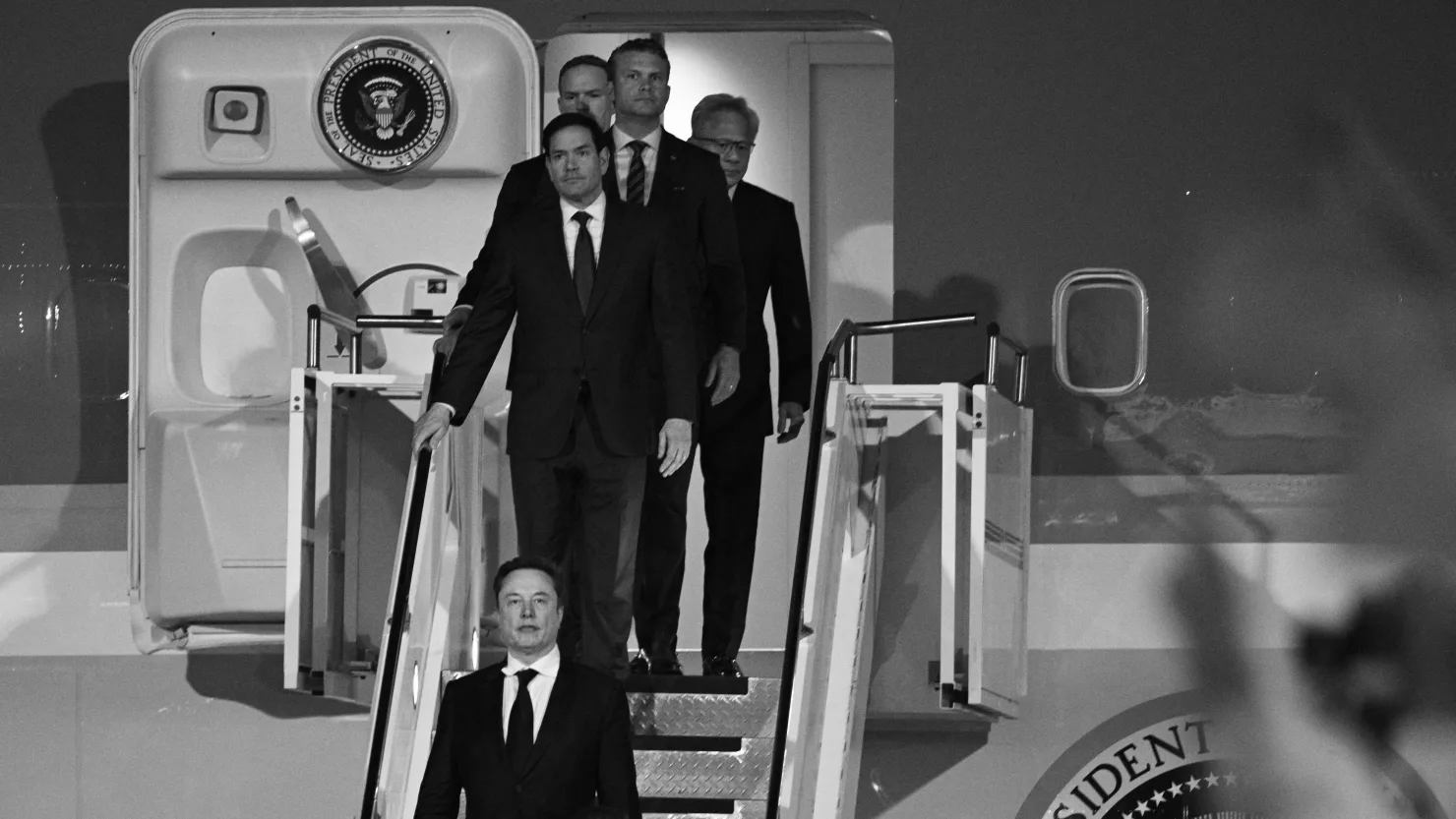
The Iran war hung over the summit like a storm cloud , adding a layer of immediate strategic urgency that could not be ignored. The White House confirmed that Xi and Trump agreed that the Strait of Hormuz must remain open. Xi reiterated Beijing's opposition to the "militarization" of the vital energy artery and to "any effort to charge a toll for its use." China also expressed interest in purchasing more US oil to reduce its reliance on Middle Eastern crude. Both countries agreed that Iran can never be allowed to obtain a nuclear weapon . Secretary of State Marco Rubio , who notably traveled to Beijing despite being under Chinese sanctions since 2020 , in what appears to be a first for a sitting US Secretary of State, clarified that Washington was not asking Beijing to intervene militarily, but that the open flow of energy through the strait was a shared priority.
On the sweeping question of trade and economic cooperation , both sides appeared eager to build on the relative stability achieved since the Busan truce last October in South Korea, where the two nations had suspended their most punitive tariffs and export controls after a bruising year of tit-for-tat escalation. Trump, Xi, and their teams discussed ways to enhance economic cooperation, including expanding market access for US businesses into China and increasing Chinese investment into American industries. Trump also raised the issue of fentanyl precursor flows into the United States, pressing Beijing to do more to stem the supply chains feeding America's opioid crisis. Xi, in turn, signalled that China's commercial doors remain open: "China's door to opening up will only open wider," he said.
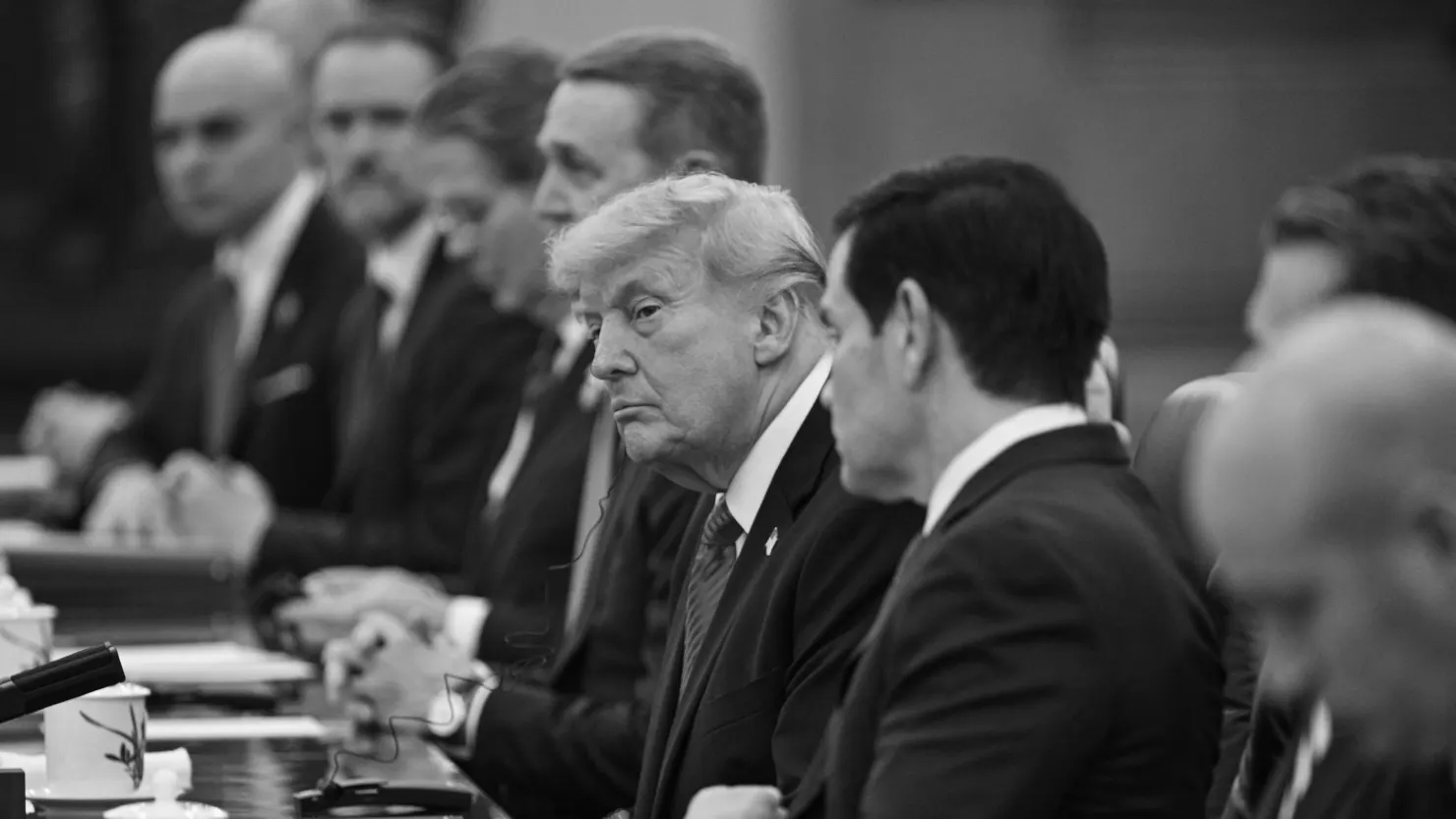
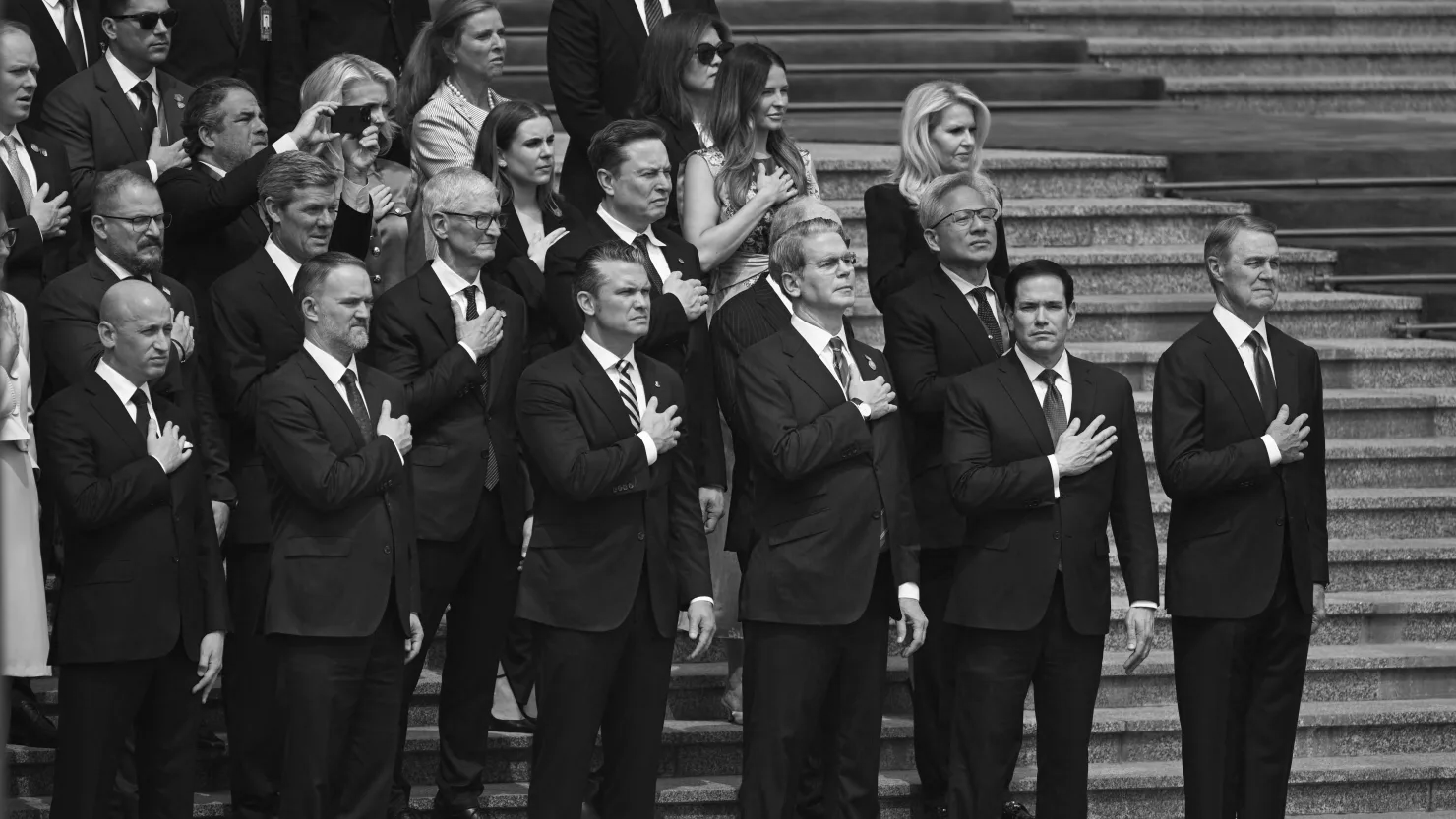
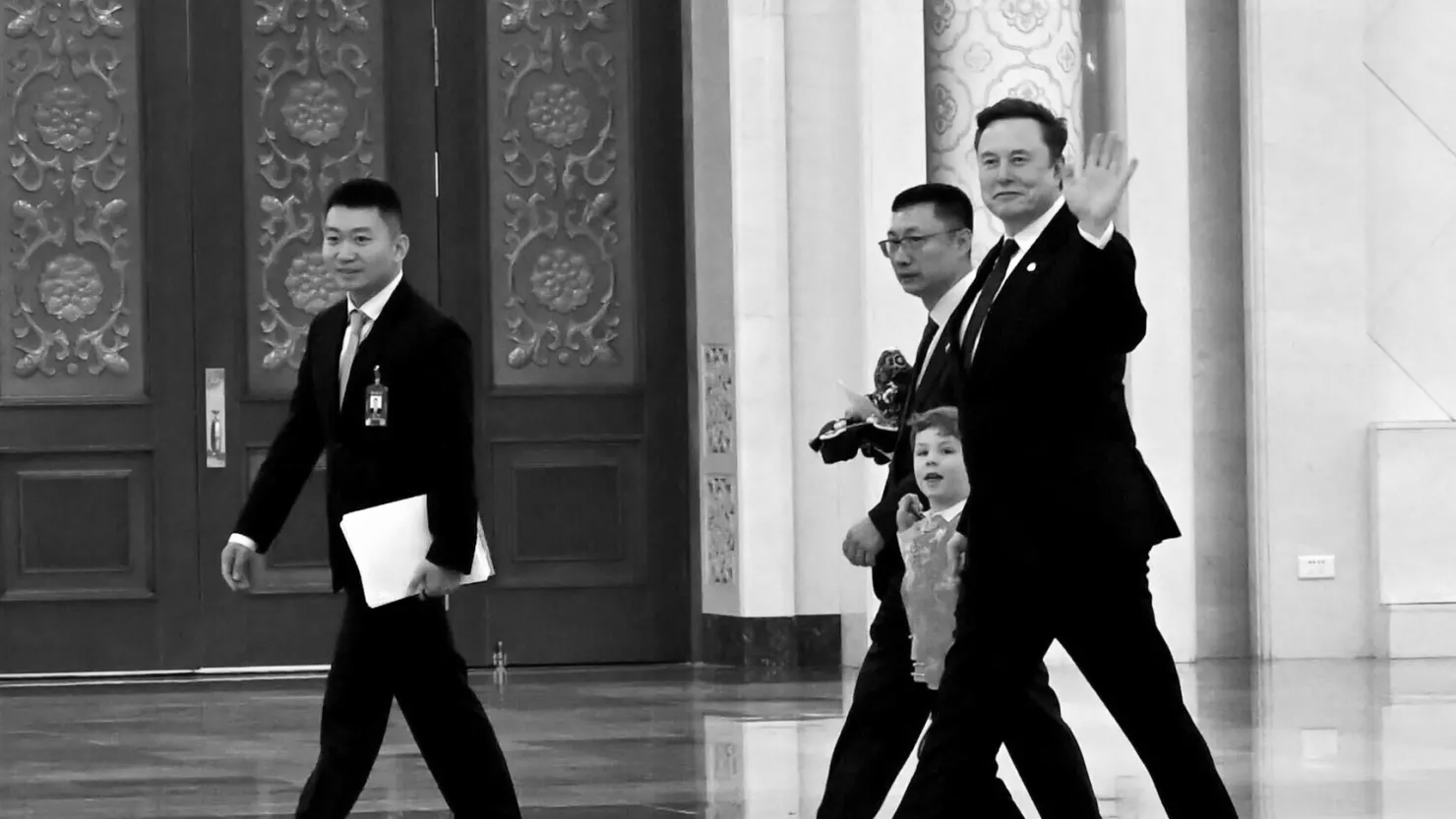
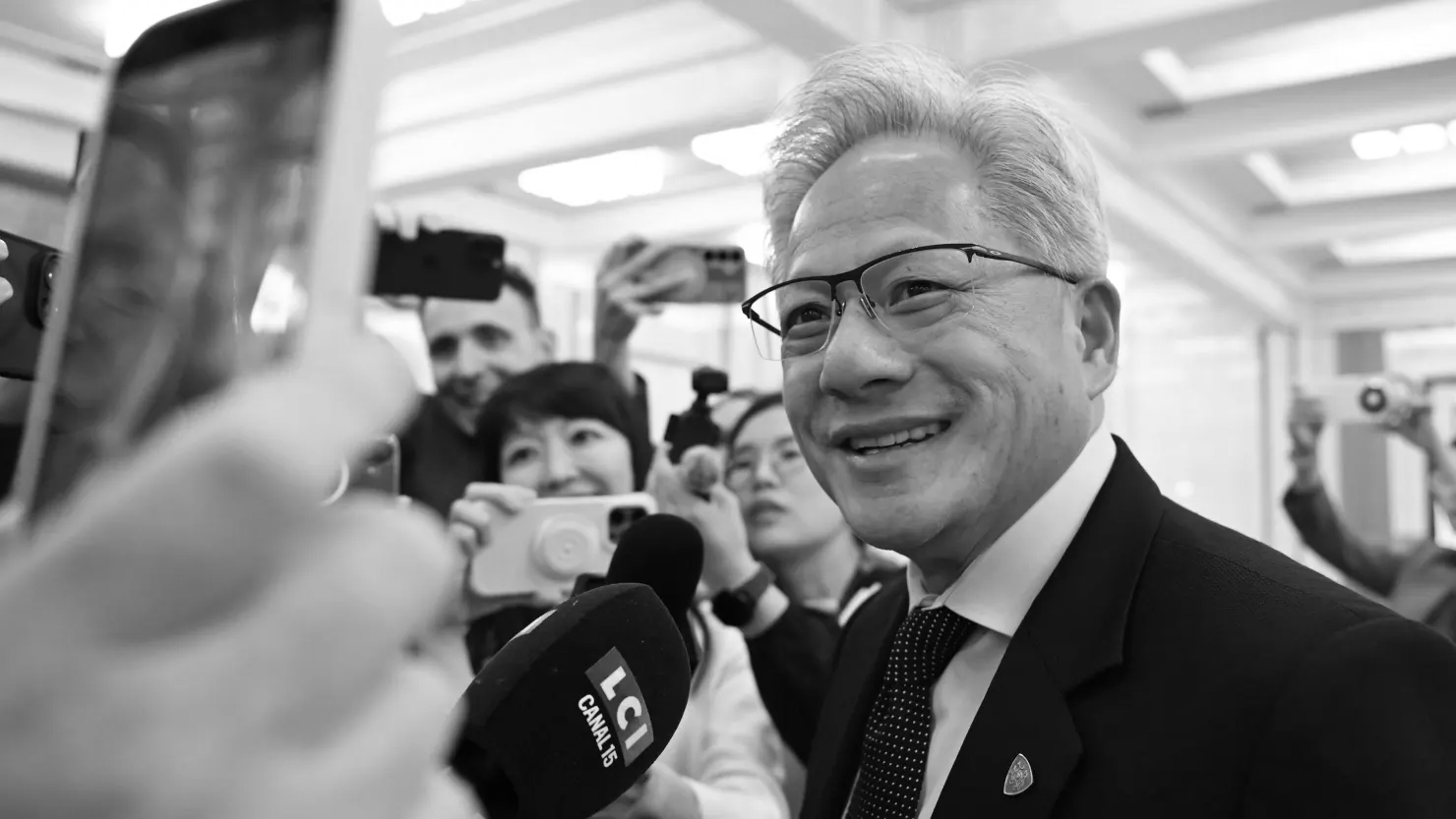
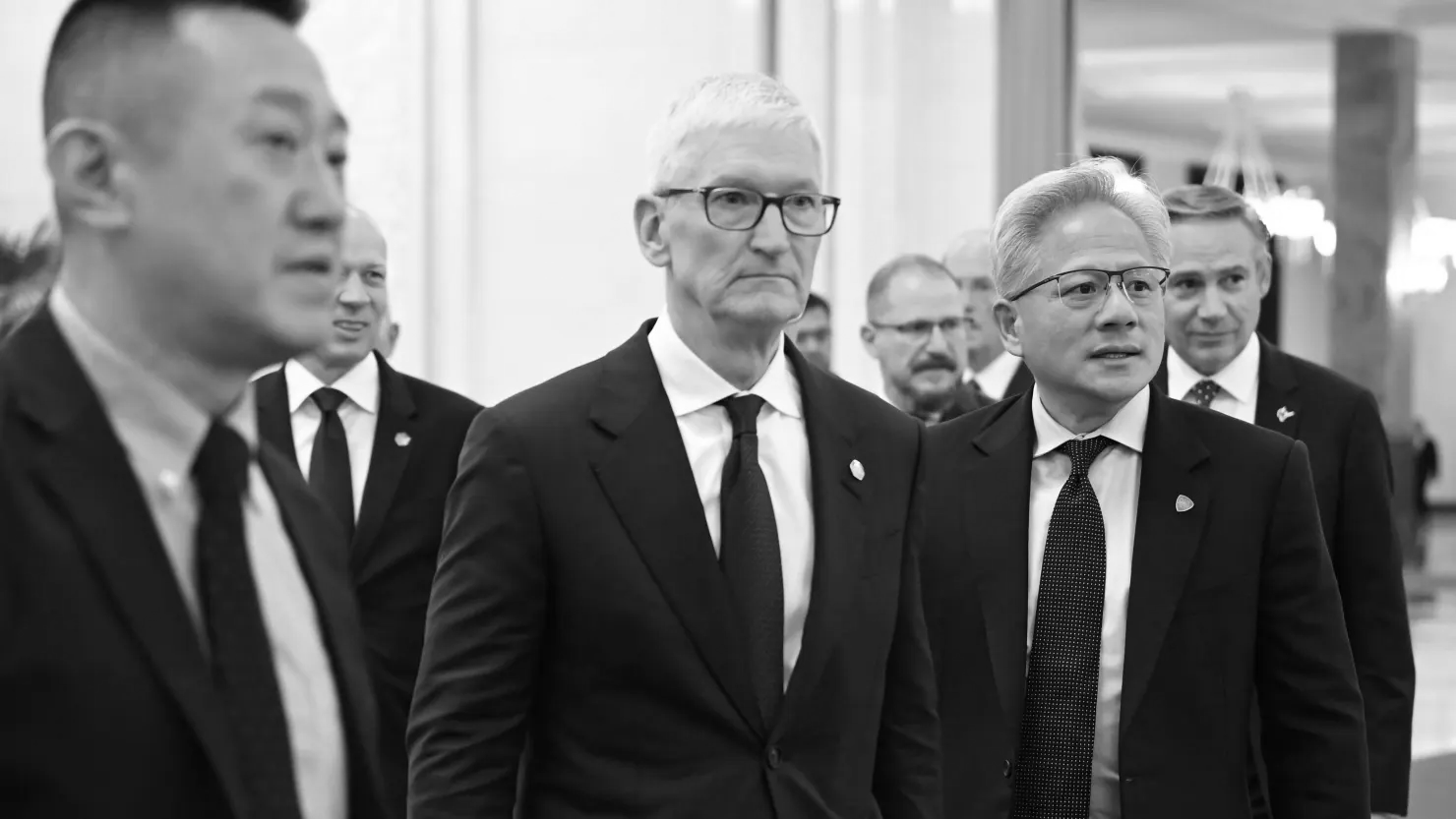
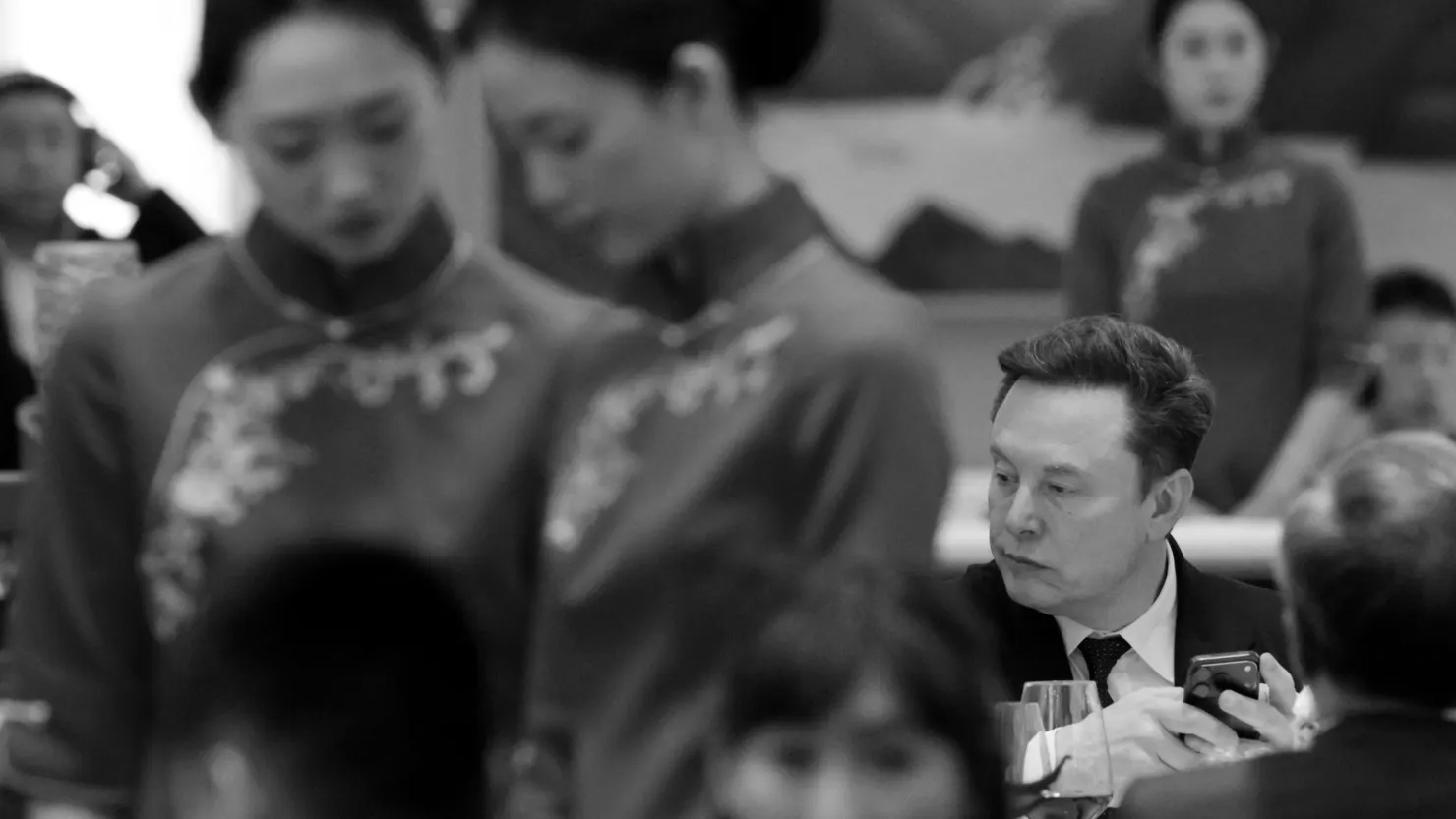
The business dimension of this summit was impossible to overlook. A total of 17 American business leaders joined Trump's delegation, including Apple CEO Tim Cook, Nvidia CEO Jensen Huang, BlackRock's Larry Fink, Citigroup's Jane Fraser, Boeing's Robert Kelly, and Elon Musk , who arrived alongside his son. All 17 met with Chinese Premie r Li Qiang in the north wing of the Great Hall of the People, a man who, as Shanghai's Communist Party chief, had been instrumental in opening China's doors to Tesla. The presence of Musk and Jensen Huang was particularly loaded with meaning. These are two of the most powerful figures in the global technology landscape, and their attendance underscored that the deepest, most enduring contest between the United States and China is not happening on cargo ships or in tariff schedules, it is happening in the domain of semiconductors, artificial intelligence, advanced manufacturing, and rare earth supply chains .
China has weaponized its dominance over rare earths (critical elements necessary for everything from consumer electronics to fighter jets) as strategic leverage in negotiations with Washington. For Beijing, the summit was also an opportunity to press for reduced restrictions on high-end technology exports and the removal of Chinese companies from US sanctions lists. For Washington, maintaining its technological edge is existential. This is the arena where the rivalry between the two powers is likely to intensify most dramatically in the years ahead.
Perhaps the most significant broader signal from Day One was the mutual desire for a stable operating framework . Xi and Trump agreed to develop what China called a "constructive China-US relationship of strategic stability." Xi explicitly called for both sides to make better use of diplomatic and military communication channels, a recognition that without guardrails, competition between the world's two largest economies could spiral into something far more dangerous. "China comes into this meeting far more confident than in 2017, when it feared even a small rise in US tariffs".
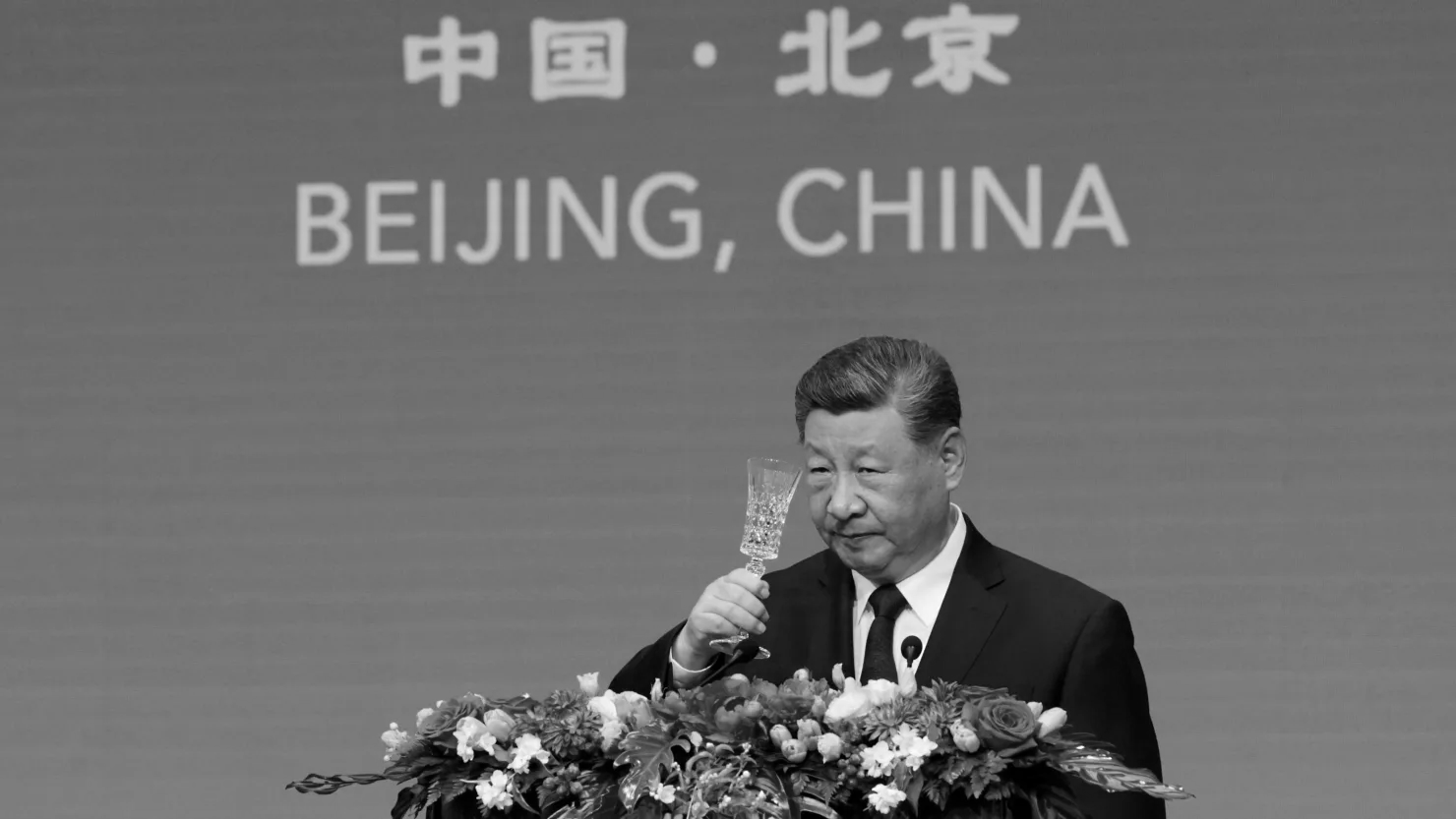
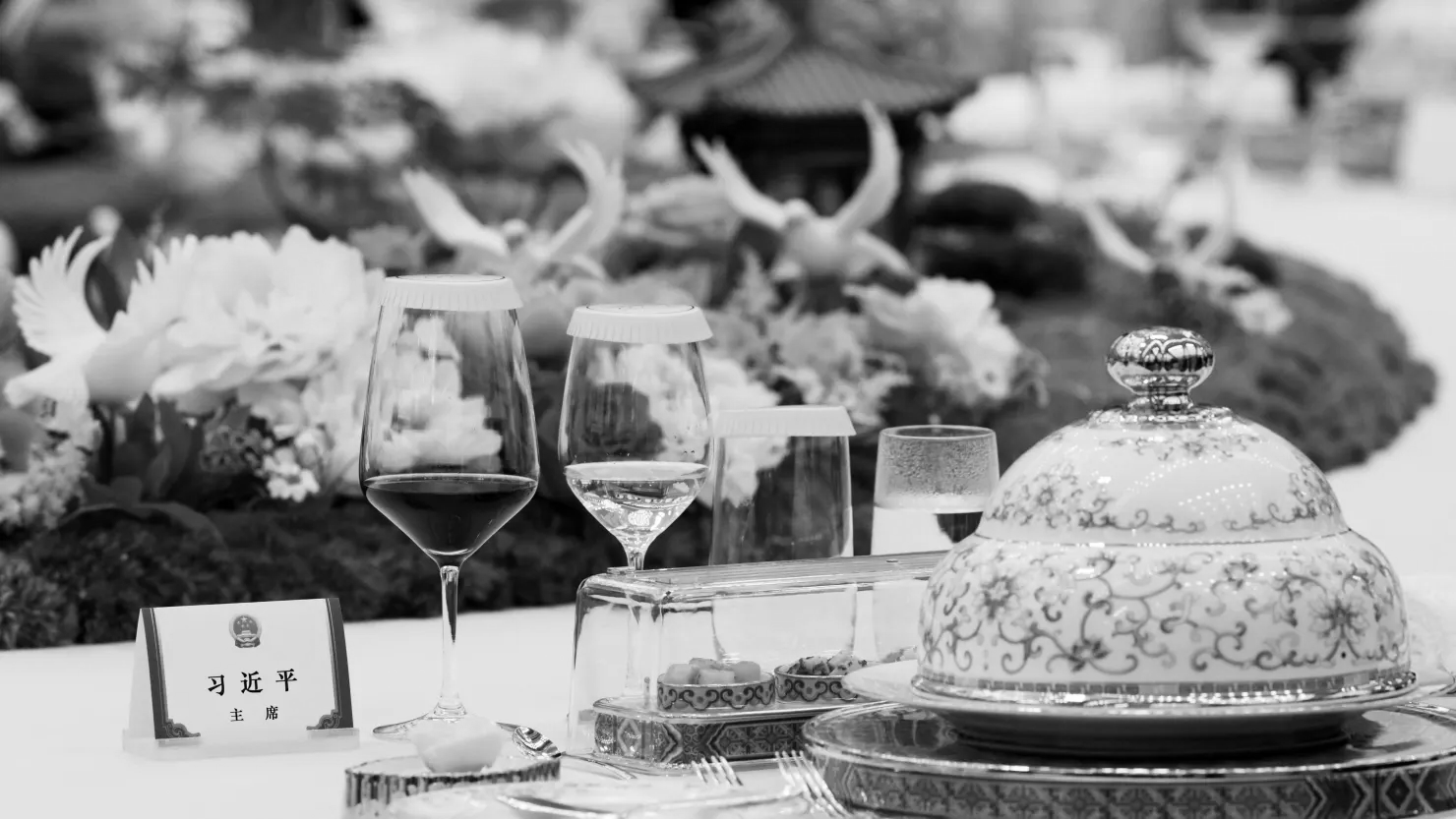
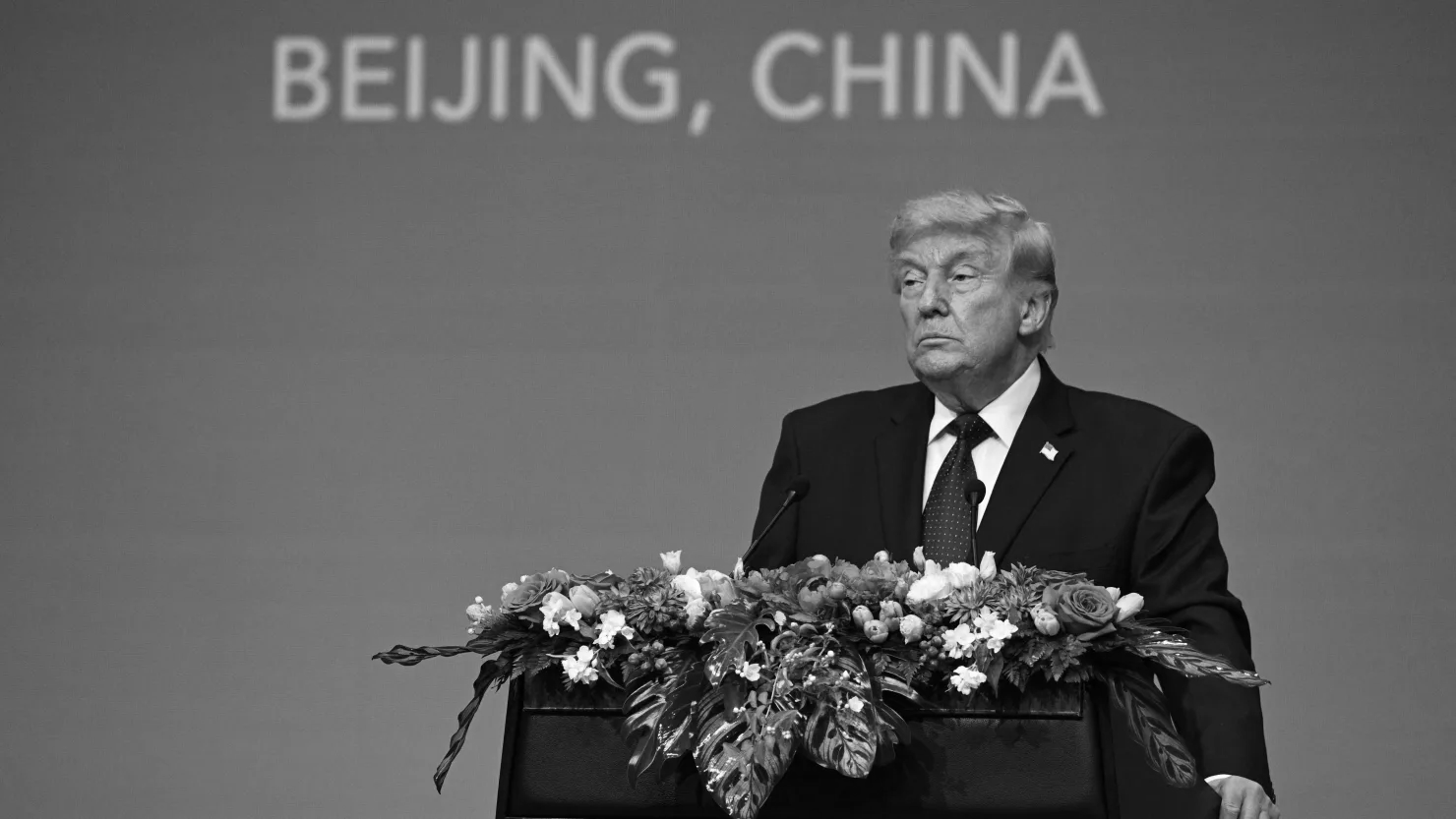
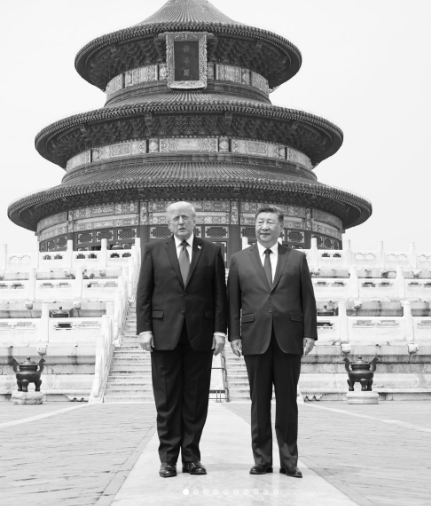
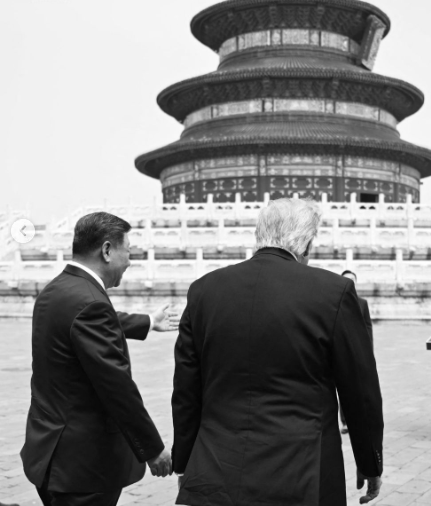
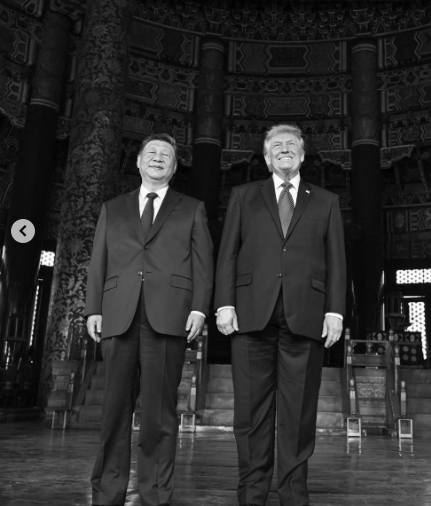
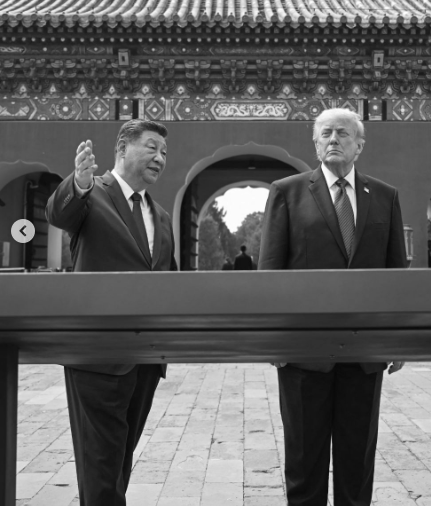
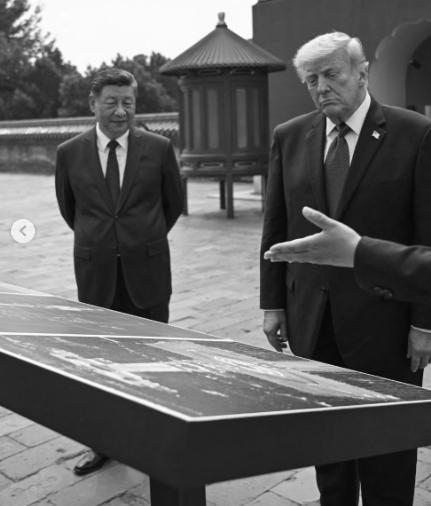
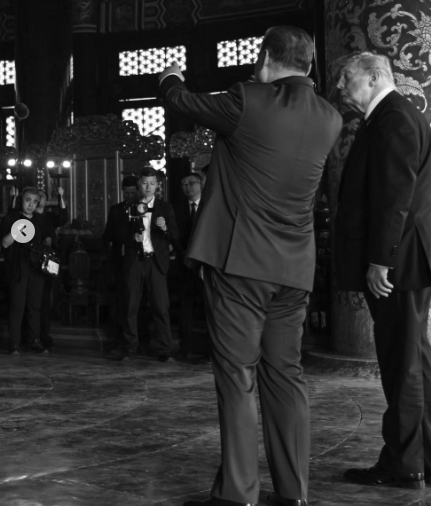
After the formal bilateral meeting, which lasted two hours and fifteen minutes, both leaders departed for the Temple of Heaven , one of Beijing's most iconic landmarks, which had been closed to tourists for days in anticipation of the visit. They were later joined by Eric Trump and Lara Trump for photographs, adding a personal touch to an otherwise heavily ceremonial day. The evening concluded with a state banquet at the Great Hall of the People, where Trump raised a glass and extended a formal invitation: Xi was last at the White House during a state visit in September 2015, and Trump's invitation for Xi and Madame Peng to visit on September 24th would mark his first return in over a decade.
None of this means the fundamental tensions have been resolved. Taiwan remains the most explosive fault line. Trade remains transactional and trust remains thin. Technology competition is sharpening, not softening. But what Day One of this summit achieved was something rarer and arguably more valuable than any single agreement: clarity . Both sides now know what the other's red lines are, what they are willing to offer, and what the cost of miscalculation could be.
Day Two begins with talks still ongoing. If Day One was about symbolism and setting the tone , Day Two is where the harder, quieter work of actual diplomacy must take place. The world from markets in Mumbai to ministries in Brussels is watching every word.