
Trump escalates global pressure - Demands NATO to impose 50-100% tariffs
In a fiery social media salvo that could reshape global alliances and trade flows, U.S. President Donald Trump issued a bold ultimatum to NATO allies on Saturday: unite behind crippling tariffs on China and a complete halt to Russian oil purchases, or risk prolonging the "ridiculous" war in Ukraine. Posting on Truth Social, Trump declared himself ready to unleash "major sanctions" on Moscow but only if the 32-nation alliance steps up first. The provocative call, echoing his "America First" playbook, comes amid mounting frustration over stalled peace efforts and Russia's relentless drone assaults on Ukrainian cities.
Trump's message was unsparing. "NATO's commitment to win has been far less than 100%, and the purchase of Russian oil, by some, has been shocking!" he wrote, slamming allies for undermining negotiations by fueling Putin's war chest. He singled out China, Russia's largest oil buyer, accusing Beijing of maintaining a "strong control, and even grip, over Russia." Proposing tariffs of 50% to 100% on Chinese goods rates that would dwarf current duties Trump argued they would "break that grip" and force an end to the conflict. "If NATO does as I say, the war will end quickly, and all of those lives will be saved!" he added, distancing himself from the fray: "It is Biden’s and Zelenskyy’s war. I am only here to help stop it."
The timing is no coincidence. Just 24 hours earlier, on Friday, U.S. Treasury Secretary Scott Bessent and Trade Representative Jamieson Greer joined an emergency call with G7 finance ministers, reiterating Trump's push for collective tariffs on nations buying Russian crude. Bessent, a former hedge fund maestro sworn in as Treasury chief in January 2025, emphasized that "unified efforts" are essential to starve Moscow's economy, which relies on oil exports for up to 40% of its budget. Greer, confirmed as the 20th U.S. Trade Representative in February, has been a key architect of Trump's tariff strategy, drawing from his experience in the first administration's USMCA negotiations. The G7 huddle, chaired by Canada's Francois-Philippe Champagne, addressed Russia's recent escalation including a massive drone barrage on Kyiv and airspace violations over Poland amid stalled ceasefire talks.
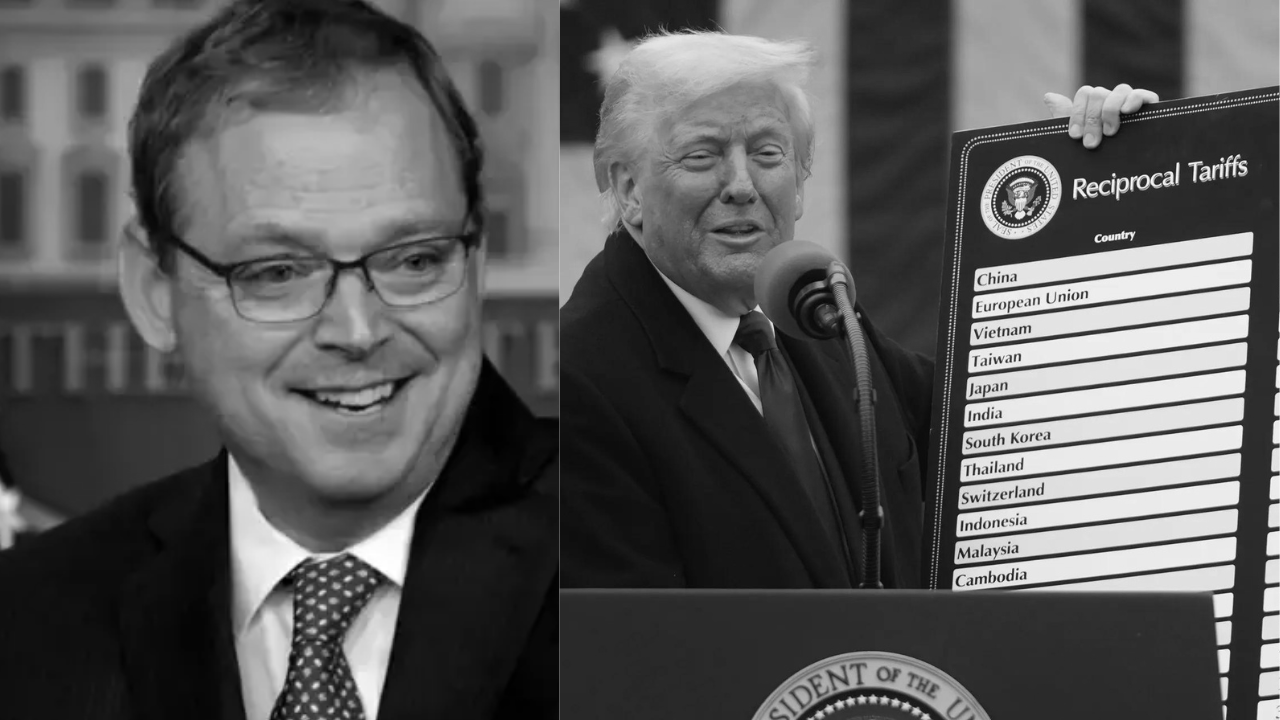
This isn't Trump's first swing at using trade as a geopolitical hammer. Since reclaiming the White House in January 2025, he's weaponized tariffs to pressure Russia's enablers. Last month, he slapped an additional 25% duty on Indian imports bringing totals to 50% over New Delhi's voracious appetite for discounted Russian oil, which hit record highs at $68.7 billion in bilateral trade last year. India, now Russia's second-largest oil customer after China, decried the move as "unfair," straining ongoing U.S.-India trade talks slated for completion by fall. China, however, has dodged similar secondary tariffs so far, thanks to a fragile May 2025 truce that paused a tit-for-tat escalation. Back then, Trump had hiked U.S. duties on Chinese goods to a staggering 145% combining baseline, reciprocal, and fentanyl-related levies prompting Beijing's 125% retaliation. High-level talks in Geneva led to a 90-day de-escalation, capping U.S. tariffs at 30% and China's at 10%, with extensions through November to avert a full trade embargo. Analysts warn reviving 50-100% rates could shatter this détente, spiking global inflation and disrupting supply chains already battered by earlier hikes.
Trump's NATO plea builds on earlier lobbying. In early September, he urged the EU to impose up to 100% tariffs on China and India during talks with European leaders, tying it to his failed Alaska summit with Putin in August, which yielded no ceasefire. Yet, cracks are evident. While the U.S. has largely severed Russian energy ties, some NATO members like Hungary, Slovakia, and Turkey still import oil, citing energy security. The EU, which cut Russian gas imports by 80% since 2022 but maintains $78 billion in trade, is wary of alienating Beijing its top goods supplier and prefers targeted sanctions over broad tariffs that could boomerang on European exporters. "We're ready to go right now, but only if our European partners step up," a U.S. official told the Financial Times, highlighting the transatlantic tension.
Critics see this as classic Trump brinkmanship: bold rhetoric masking stalled diplomacy. The war, now in its fourth year, has claimed hundreds of thousands of lives and displaced millions, with Russia's economy defying sanctions through shadowy oil rerouting to Asia. Beijing, which denies direct war support, views the tariff threat as U.S. hypocrisy amid ongoing trade frictions.
Economists caution about the fallout. Secondary tariffs could slash Russian oil revenues by 20-30%, per Bloomberg estimates, but at a cost: higher energy prices worldwide, potentially adding $1,300 annually to U.S. household bills. For China, facing 100% duties, it might accelerate de-dollarization and bolster ties with Moscow. Trump, undeterred, ended his post with a challenge: "If not, you are just wasting my time, and the time, energy, and money of the United States." As G7 leaders mull the proposal, the world watches. Will Trump's tariff gambit force Putin's hand, or ignite a broader trade war? In the high-stakes game of global chess, the next move could redefine alliances and economies for years to come.