
Trump ends temporary deportation protections for Somalis in Minnesota
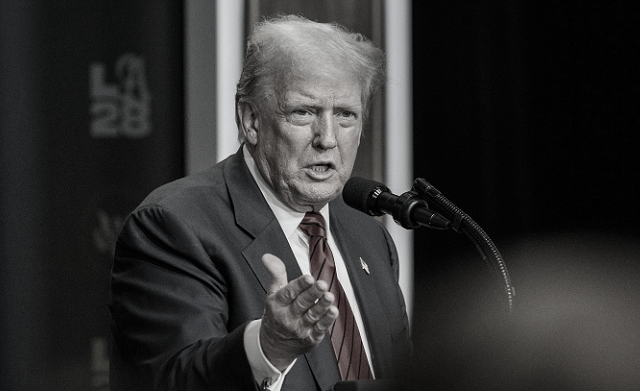
U.S. President Donald Trump announced that he is immediately terminating the Temporary Protected Status (TPS) program for Somalis living in Minnesota. According to a Congressional Research Service report, only 705 Somali-born individuals nationwide currently hold TPS, with around 430 of them living in Minnesota, representing only a small fraction of the state’s overall Somali-American community, most of whom are U.S. citizens or permanent residents. In a late-night post on Truth Social, Trump wrote, “Somali gangs are terrorizing the people of that great State, and BILLIONS of Dollars are missing.” He also declared, “I am, as President of the United States, hereby terminating, effective immediately, the Temporary Protected Status (TPS) Program for Somalis in Minnesota.”
Trump described Minnesota as “a hub of fraudulent money laundering activity” under Democratic Governor Tim Walz, linking the decision to unverified media reports that the Somali militant group Al-Shabaab had benefited from fraud allegedly committed in Minnesota. Governor Walz responded on X, saying, “It’s not surprising that the President has chosen to broadly target an entire community. This is what he does to change the subject.” Democratic Senator Amy Klobuchar also criticized the move, writing, “Another late night threat by Donald Trump, and this time he’s going after people in just one state w/ legal status. Maybe the President should spend his evenings working on bringing down costs instead of targeting Somalis who have been in our country for years.”
The TPS program for Somalis was first launched by President George H.W. Bush in September 1991 to protect people who could not safely return home because of civil war or natural disasters. While 17 countries are currently eligible for TPS, the Trump administration has also moved to terminate protections for several countries, including Venezuela and Nicaragua. Under President Joe Biden, TPS eligibility for Somalis had been extended through March 17, 2026.
Legal experts say Trump’s declaration may not be immediately enforceable. TPS is a federal program that applies to entire countries, not individual U.S. states, and terminating it requires a formal process that includes a review by the Department of Homeland Security and publication of a notice in the Federal Register. Specialists note that a president cannot normally revoke TPS for just one state, and that any termination usually cannot take effect “immediately” without following statutory procedures. This has raised questions about whether Trump’s announcement has real legal force or is largely symbolic at this stage.
Advocacy groups warned that the decision could harm families despite affecting only a relatively small number of people. Jaylani Hussein, executive director of the Minnesota chapter of the Council on American-Islamic Relations, said the move was disappointing because those affected are legal immigrants who have followed the law, adding that the decision could tear apart mixed-status families. Abshir Omar, a political strategist who endorsed Trump in the 2024 election, said the decision was likely to be challenged in court and warned it could damage the long-term strategic and economic relationship between the United States and Somalia. He noted that Somalia recently offered the U.S. access to air bases and ports and had expressed interest in partnerships with American companies to develop its oil resources.