
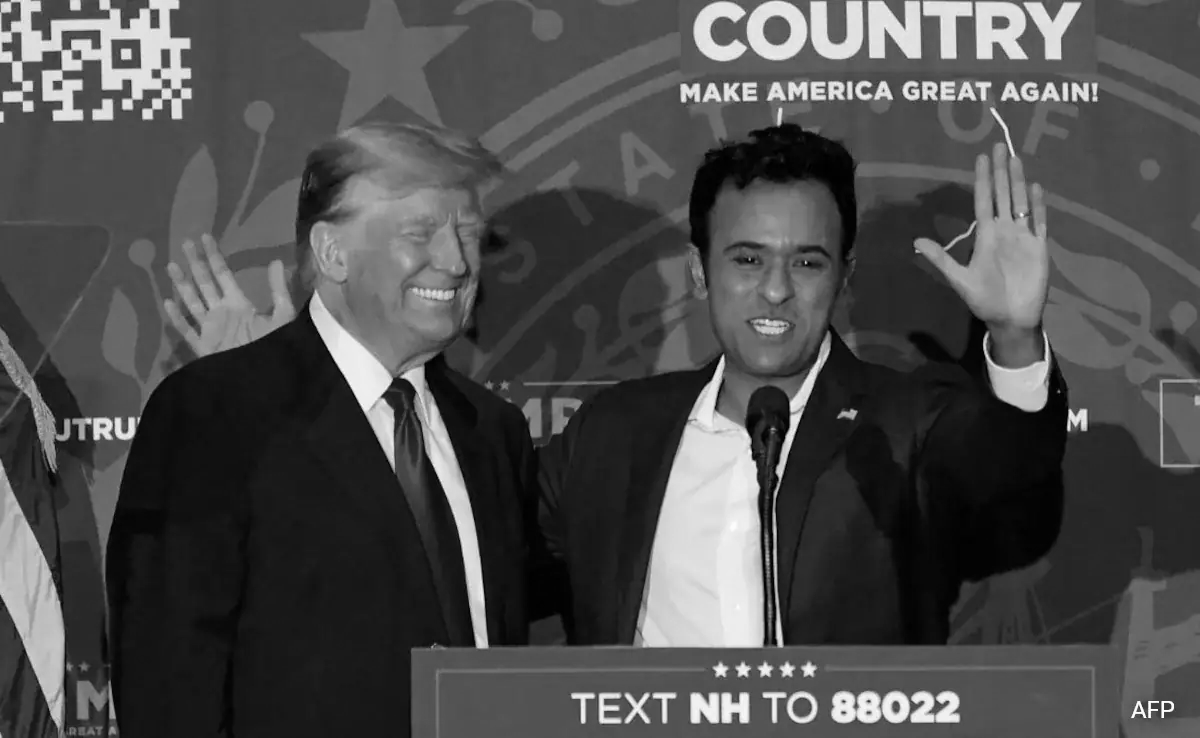
Trump Dominates GOP Primaries as Ramaswamy Wins Ohio, Michigan Shapes Senate Balance
Primary elections in Indiana and Ohio, along with a decisive Michigan state Senate contest, have highlighted a sharply divided political landscape, one that simultaneously reflects Donald Trump’s strong grip on the Republican Party and emerging signs of uneven public sentiment nationally ahead of the 2026 US midterms.
In Indiana, Trump’s push to reshape Republican ranks after a failed redistricting plan delivered clear results. At least five of the seven GOP state senators he targeted were defeated by Trump-backed challengers, reinforcing his ability to enforce party loyalty. The contests were marked by heavy outside spending of around $12 million , with political action committees and allies of Governor Mike Braun playing a decisive role in boosting Trump-supported candidates. The results underline Trump’s continued dominance within the GOP, even as they expose deep internal divisions among Republicans .
In Ohio, Republican voters chose Vivek Ramaswamy as the party’s gubernatorial nominee , further strengthening the Trump-aligned wing of the party. His victory confirms Trump’s continued influence over candidate selection in key states. On the Democratic side, Sherrod Brown secured the nomination for a high-stakes Senate race against Republican Jon Husted , setting up one of the most closely watched contests of the cycle.
However, analysts note that while Trump remains dominant within his base, his broader popularity may have softened among independent voters , particularly amid concerns over economic strain and the political fallout from ongoing conflict situations. These factors are increasingly shaping voter attitudes beyond core Republican support.
In Michigan, Democrat Chedrick Greene’s victory ensured Democrats retain their narrow 19–18 majority in the state Senate, preserving momentum for Governor Gretchen Whitmer’s agenda. The race is widely viewed as a bellwether for national sentiment in battleground states .
Across all three states, economic concerns such as inflation and fuel costs remain central to voter decisions , while turnout patterns suggest competitive energy on both sides.