
Trump defends Saudi prince, unveils major defense and investment deals
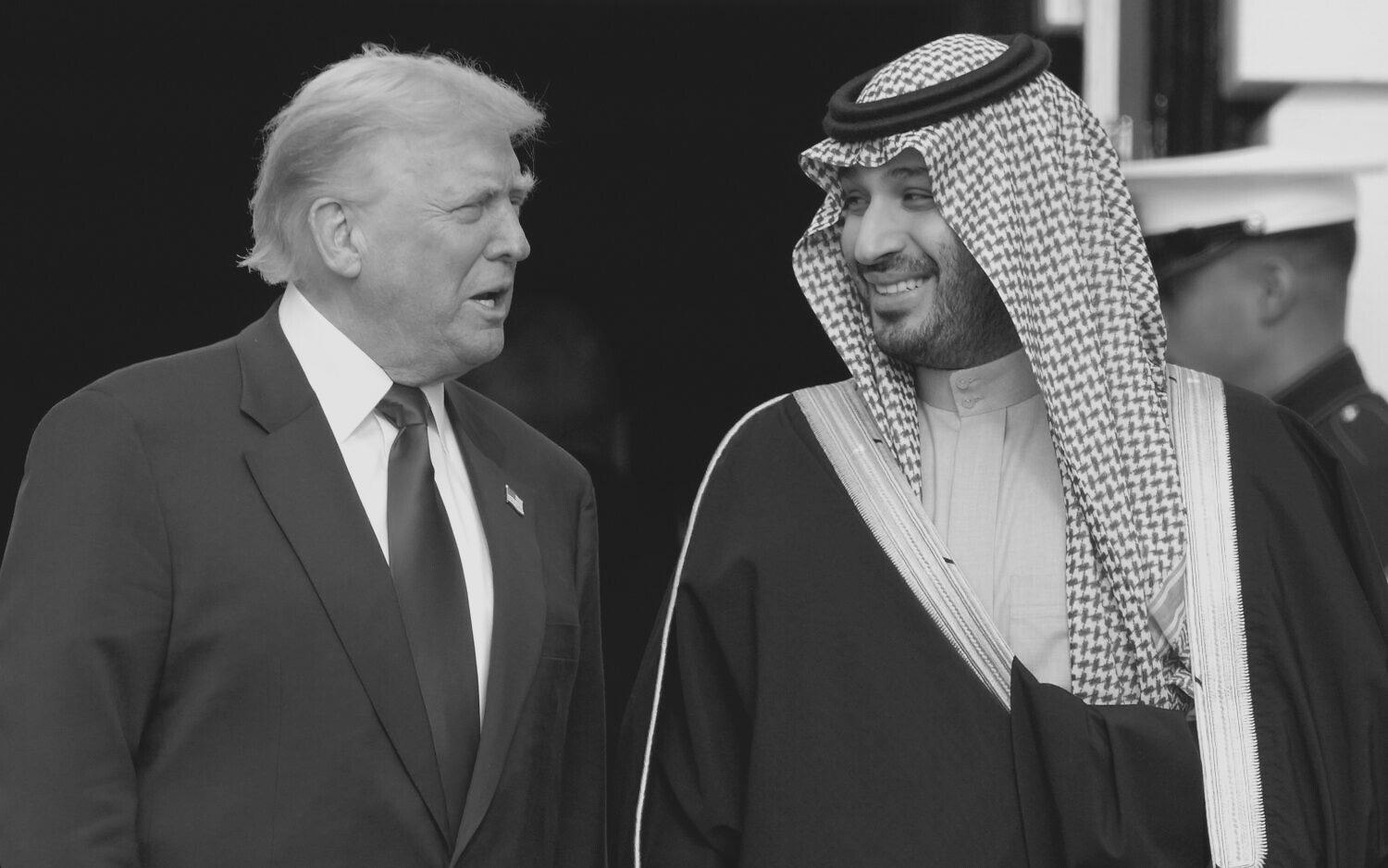
In a significant follow-up to the White House’s earlier announcement that it would host Saudi Crown Prince Mohammed bin Salman amid a push for expansive defense and investment agreements, Tuesday’s Oval Office meeting underscored Washington’s renewed embrace of Riyadh. The high-profile visit of the crown prince’s first to the White House in more than seven years marked a consolidating moment for the U.S.–Saudi relations as President Donald Trump publicly defended the Saudi leader over the 2018 killing of journalist Jamal Khashoggi while unveiling sweeping military, economic and technological partnerships.
The earlier White House advisory had framed the prince’s visit as a pivotal opportunity to advance major defense deals, deepen strategic cooperation, and expand Saudi investment in the United States. Tuesday’s engagements not only confirmed those plans but went further, signalling a dramatic warming of ties that had cooled after the Khashoggi murder.
Tensions resurfaced when a reporter raised the Khashoggi case, the killing that U.S. intelligence agencies concluded was approved by bin Salman. Before the journalist could complete the question, Trump intervened, admonishing the reporter for trying “to embarrass our guest.” The president then offered a sweeping defense of the crown prince, insisting the Saudi leader “knew nothing about it,” directly contradicting U.S. intelligence findings.
Bin Salman, seated beside Trump, described the episode as “painful” and a “huge mistake,” emphasizing that Saudi Arabia had taken corrective steps to ensure such an incident would not recur. His remarks came as human rights advocates continued to criticize Riyadh for crackdowns on dissent even as the prince pushes historic social and economic reforms.
Khashoggi’s widow, Hanan Elatr Khashoggi, quickly condemned Trump’s remarks, calling the killing “a horrible crime” that cannot be justified.
In one of the visit’s most consequential developments, Trump formally designated Saudi Arabia a major non-NATO ally, a status granting privileged military and economic cooperation. The two nations also signed a Strategic Defense Agreement designed to “fortify deterrence across the Middle East” and streamline U.S. defense industry operations in the kingdom.
The White House confirmed forthcoming delivery of F-35 fighter jets to Saudi Arabia, a landmark policy shift that would give Riyadh access to advanced stealth aircraft previously sold only to Israel in the region. The Saudis also agreed to buy 300 American tanks, deepening military integration and signaling Riyadh’s long-term strategic alignment with Washington.
Another breakthrough came with the completion of negotiations on civil nuclear cooperation, a step toward enabling Saudi Arabia to develop nuclear energy capabilities with U.S. technical support. The pact, however, remains limited since Riyadh continues to resist U.S. conditions barring uranium enrichment and spent fuel reprocessing.
The two sides also announced a memorandum on artificial intelligence and a framework for collaboration on critical minerals areas increasingly central to global economic competition.
During the Oval Office appearance, bin Salman pledged to raise Saudi investment in the U.S. to $1 trillion up from the $600 billion figure announced during Trump’s earlier visit to Riyadh. Analysts, however, note that Riyadh’s domestic megaprojects under Vision 2030 may limit how quickly the kingdom can deploy such funds.
Trump, meanwhile, insisted he had “nothing to do” with his family’s business interests in Saudi Arabia, saying all operations were placed in a trust managed by his children.
The crown prince was received with a grand ceremony on the South Lawn, complete with a military honor guard, cannon salute and U.S. warplane flyover, a spectacle intended to signal the restoration of high-level engagement between the two countries.
Trump also said he received positive signals on potential Saudi normalization with Israel, though bin Salman reiterated that any agreement must include a credible pathway to Palestinian statehood, a condition Israel continues to reject.
As the crown prince prepares to promote Saudi Arabia’s economic transformation at a major investment forum in Washington, the visit appears to have delivered what both sides sought: strategic reassurance, economic opportunity, and a clear signal that the bilateral relationship has moved past the strain of the Khashoggi affair.