
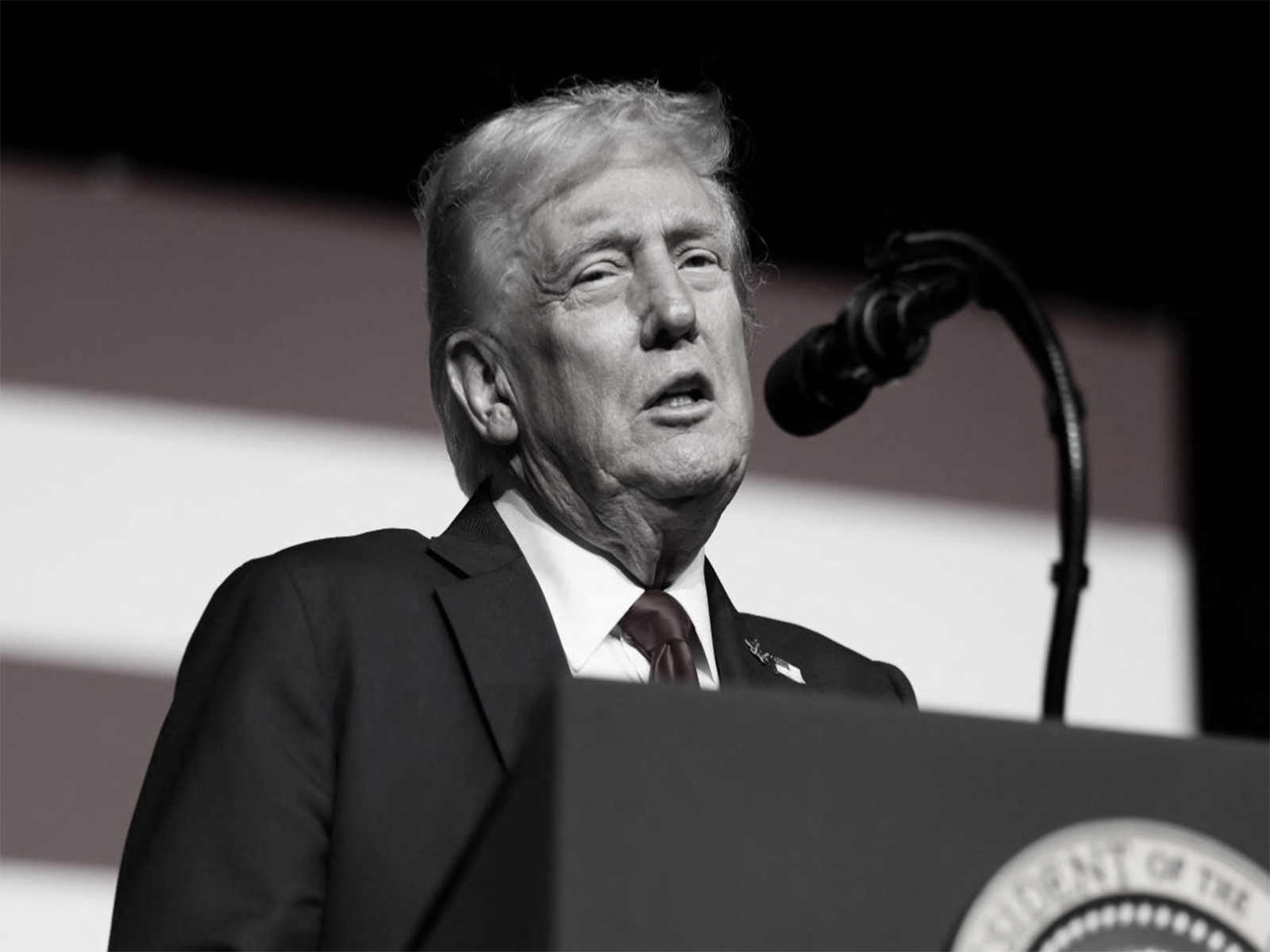
Trump announces additional 100% tariff on China after curbs on rare earth minerals
U.S. President Donald Trump announced a 100% tariff on all Chinese imports, effective November 1 or it could be sooner based on their action , in addition to existing tariffs. Trump described China’s actions as “extraordinarily aggressive” and said the move responds to Beijing’s export restrictions on rare earth elements, vital for electronics, defense, and clean energy technologies. While tariffs themselves may affect trade, experts note it is the U.S. ban on exporting critical software to China that poses a more severe threat to Chinese high-tech industries.
Global markets reacted sharply, with the Nasdaq falling 3.6%, its worst day since April 2025. Industries reliant on Chinese manufacturing and rare earth materials are bracing for disruption. According to the Global Trade Research Initiative (GTRI), the new tariffs are expected to raise costs for electric vehicles, wind turbines, and semiconductor components, as the overall tariff rate on Chinese goods could reach 130%. Supply chains may also be restructured, with the U.S. seeking alternative sources in countries like Australia, Vietnam, and Canada, while China may redirect supplies toward non-Western partners.
China’s rare earth elements have become a strategic leverage point in global trade. Controlling around 80% of the world’s supply, China has used rare earths to influence international markets, weakening U.S. dominance in high-tech industries and shifting the global balance of power. Countries previously dependent on U.S.- led supply chains now face potential shortages in critical materials like lanthanum (La).
The international response has been cautious but proactive. India, recognizing the vulnerability, is accelerating domestic mining, processing, and magnet production. The European Union and Japan are diversifying supply chains and investing in domestic refining capacity. Governments and industries worldwide acknowledge that building independent rare-earth supply chains will take years, but see it as essential for technological and strategic autonomy.
Despite tensions, Trump clarified that he has not canceled upcoming meetings with Chinese President Xi Jinping, emphasizing that diplomatic engagement remains possible even amid trade and technology disputes.