
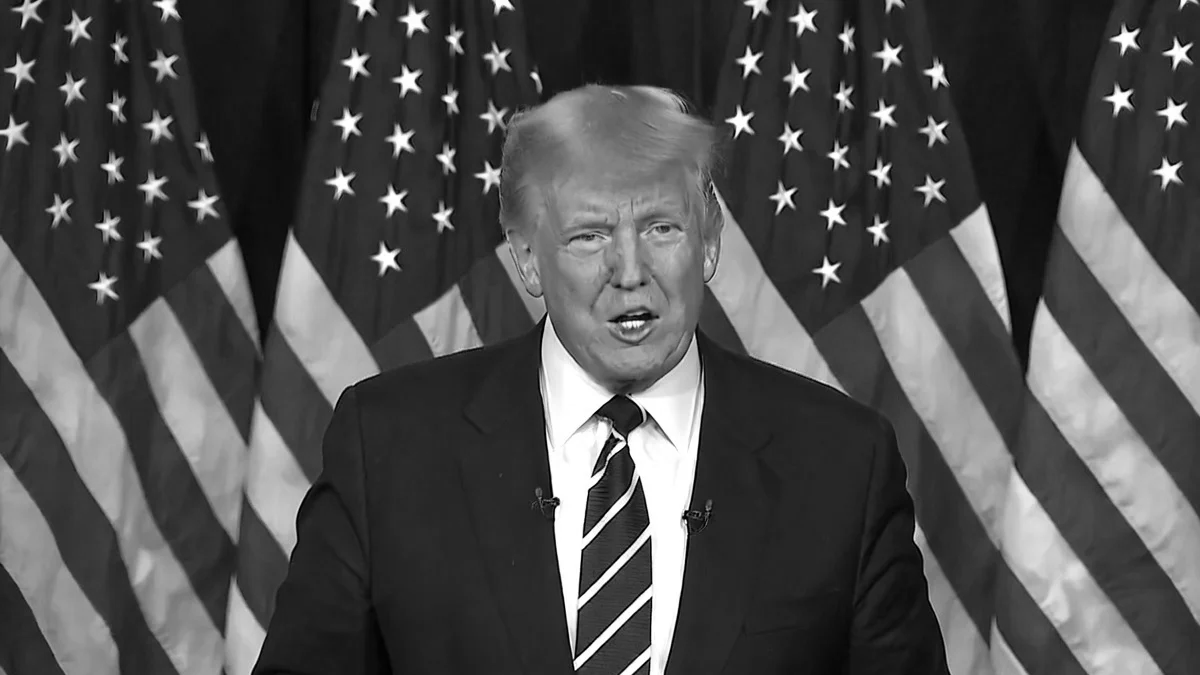
Trump announces 25% tariff on countries trading with Iran, India among those impacted
US President Donald Trump’s announcement of a 25 per cent tariff on any country doing business with Iran is set to have wide-ranging economic and geopolitical implications, potentially affecting several of Tehran’s major trading partners, including India, China, the United Arab Emirates, Turkey and Pakistan.
“Effective immediately, any Country doing business with the Islamic Republic of Iran will pay a Tariff of 25 per cent on any and all business being done with the United States of America. This Order is final and conclusive,” Trump said in a post on Truth Social on Monday.
Iran maintains trade links with a number of regional and global economies. China remains Iran’s largest trading partner and a key buyer of Iranian oil , while the UAE acts as a major commercial and logistics hub for Iranian goods. Turkey and Pakistan also have steady trade and energy relationships with Tehran, particularly due to geographic proximity. Under the new US order, these countries risk facing higher tariffs on their exports to the American market, potentially raising costs, disrupting supply chains and forcing businesses to reassess commercial ties involving Iran.
The decision could have a significant impact on India, which has been among Iran’s top five trading partners in recent years. The move comes at a time when Indian goods already face steep US tariffs , including a 25 per cent levy linked to India’s purchase of Russian energy, taking the total tariff burden on certain Indian exports to as high as 50 per cent.
According to the Indian Embassy in Tehran, India’s key exports to Iran include rice, tea, sugar, pharmaceuticals, Man-made staple fibres are short fibres produced artificially (by humans) rather than being naturally grown like cotton or wool. electrical machinery and artificial jewellery, while imports from Iran consist mainly of dry fruits, organic and inorganic chemicals, and glassware. Data from the Observatory of Economic Complexity shows that India’s exports to Iran stood at USD 1.19 billion in 2023, with imports valued at USD 1.02 billion.
Beyond trade, India-Iran relations carry strong strategic significance, particularly through the development of the Chabahar port , which provides India with a vital connectivity route to Afghanistan and Central Asia, bypassing Pakistan. India and Iran signed a memorandum of understanding in 2015 on India’s participation in the Chabahar port development plan, followed by a trilateral agreement with Afghanistan in 2016 to establish the International Transport and Transit Corridor. In May 2024, India Ports Global Limited signed a 10-year contract with Iran’s Ports and Maritime Organisation to equip and operate the Shahid Beheshti Terminal.
Pakistan also maintains economic ties with Iran, driven largely by border trade, agriculture and energy cooperation. The two countries have long discussed energy projects, including gas pipeline proposals, and trade in food items, construction materials and petroleum-related products. The US tariff threat could complicate Pakistan’s access to the American market for goods linked to Iranian trade, adding pressure to its already fragile external sector.
Turkey, another major regional partner of Iran, engages in significant bilateral trade, including imports of Iranian natural gas and petroleum products and exports of machinery, industrial goods and consumer products. Any continuation of such trade could expose Turkish exports to punitive US tariffs, potentially affecting competitiveness and bilateral commercial flows.
Analysts say Trump’s announcement marks a sharp escalation in economic pressure on Iran and could force its trading partners to recalibrate their engagement with Tehran. For countries such as India, the move adds to the challenge of balancing strategic interests, regional connectivity goals and economic ties with Iran against growing trade and diplomatic pressures from Washington.