
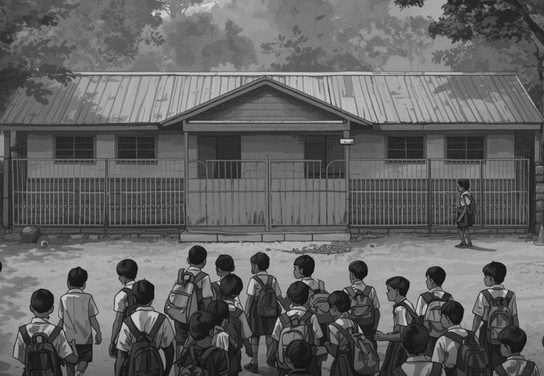
Tribal Group Plans Protests Over Suspension Of Classes 9–10 In Palghar
The NGO Shramjeevi Sanghatana on Monday announced that it will organise a series of protests against the decision of the Palghar Zilla Parishad (ZP) to suspend Classes 9 and 10 divisions in 57 schools , a move that has triggered concern among educators, parents, and tribal rights activists.
According to the Zilla Parishad, the decision was taken due to a shortage of funds and legal complications related to teacher salaries . Officials said that the teaching posts in these schools do not have official state sanction, which led the Tribal Development Department to withhold financial allocation.
However, the NGO has strongly opposed the move, arguing that it will have a severe impact on students in remote and tribal areas , many of whom may be forced to either travel long distances to continue their education or drop out of school altogether .
“This is not just an administrative decision but a direct blow to the right to education of children from tribal and rural communities,” said Shramjeevi Sanghatana functionary Suresh Renjad .
The organisation claimed that more than 7,000 students are currently enrolled across the affected 57 schools. It warned that discontinuation of secondary education facilities would disproportionately affect vulnerable communities with limited access to alternative schools.
Shramjeevi Sanghatana has announced a multi-phase protest programme, which includes a march to the District Collector’s office , a village-level ‘Shikshan Bachao’ awareness campaign , and a dharna involving parents and students outside the education department.
The NGO said the objective of the agitation is to press authorities to restore Classes 9 and 10 in the affected schools and ensure that funding and staffing issues are resolved without disrupting students’ education.
Officials from the Zilla Parishad have not yet issued a detailed response to the planned protests. The issue is expected to escalate in the coming days as local communities and civil society groups join the debate over access to secondary education in tribal regions.