
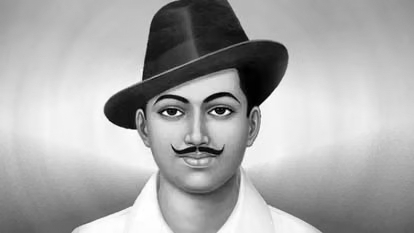
Today, We Remember a Martyr. We Forget His Questions
India commemorated the martyrdom day of Bhagat Singh, with leaders and citizens across the country paying tributes to the revolutionary freedom fighter. Floral offerings, remembrance events, and messages on social media marked the occasion, with slogans such as “Inquilab Zindabad” widely shared.
Bhagat Singh, who was executed by the British colonial government on March 23, 1931, remains one of the most prominent figures of India’s freedom struggle. Known for his role in revolutionary activities against colonial rule, he is also recognised for his intellectual contributions through essays and writings that reflected his views on nationalism, social justice, and equality.
Historians note that beyond his image as a martyr, Bhagat Singh consistently emphasised the importance of critical thinking and questioning authority. His works highlighted concerns about social hierarchies and called for a broader understanding of freedom that extended beyond political independence.
Experts observe that while his legacy continues to be invoked in public discourse, discussions around his ideological perspectives—particularly on issues such as equality, dissent, and social reform—remain relevant in contemporary times. His writings suggest that he viewed independence as an ongoing process, requiring sustained efforts to address economic and social inequalities.
Scholars further point out that Bhagat Singh advocated a vision of nationalism rooted in justice and inclusivity, urging society to confront structural challenges rather than accept them. As the nation pays homage to his sacrifice, the occasion also serves as an opportunity to revisit his ideas and their continued significance in shaping public thought.