
TN CM Stalin Slams PM Modi Over LPG Preparedness
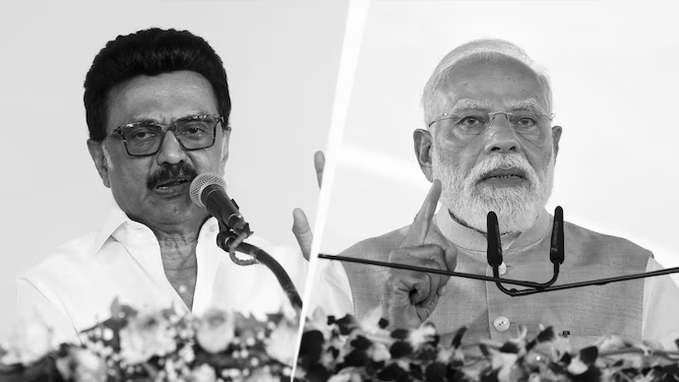
Tamil Nadu Chief Minister M K Stalin on Tuesday criticised Narendra Modi over what he called LPG unpreparedness , asserting that “preparedness cannot be outsourced to the people.”
Stalin questioned the Centre’s readiness in handling the fallout of the West Asia conflict , drawing a contrast with the government’s response during the coronavirus pandemic . The DMK chief asked pointedly, “Prepared for what leadership, or its absence? Who should be prepared for the union government or the people?” He said the Centre had failed in its responsibility to protect citizens and ensure essential supplies .
The CM recalled that he had written to the Prime Minister urging immediate steps to maintain uninterrupted LPG supply for domestic, commercial, and industrial consumers in Tamil Nadu. He also raised concerns regarding the safety and evacuation of Tamils in West Asia , calling for urgent facilitation of transit visas , coordinated evacuation , and additional flights to ensure the safe return of stranded persons.
Further, Stalin requested the Centre to revisit the methodology of natural gas distribution to power plants under the Natural Gas (Supply Regulation) Order, 2026 , to secure adequate gas availability for the upcoming summer peak power demand .
Currently, many households and business units across India are facing delays and shortages in procuring LPG cylinders. Consumers report long waiting times at local distributors, while small businesses and eateries are struggling to maintain operations due to erratic cylinder availability . These disruptions have also led to rising costs , forcing people to rely on alternative fuels, further stressing daily life and commercial activities.
Through his statements, Stalin emphasised that effective crisis management is the government’s responsibility , and the burden of preparedness should not fall on the public. His criticism highlights concerns over both fuel supply security and the well-being of Tamils abroad , underscoring the need for proactive governance .