
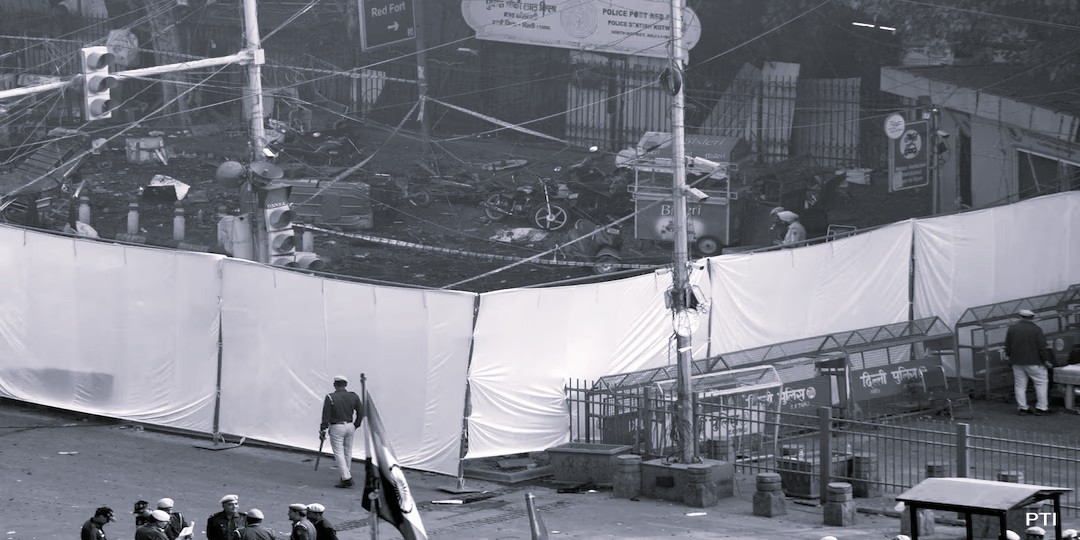
Red Fort blast - A terror network exposed, Forensic evidence and DNA testing unveil truth
The devastating blast that rocked Delhi’s iconic Red Fort on Monday has become one of the most consequential terror attacks in recent years, exposing a sprawling multi-state network of radical operatives and sparking intensive investigations at the highest levels. As authorities race against time to piece together the events that led to the tragedy, a combination of forensic science, inter-state intelligence sharing, and swift official response has brought clarity to the shocking incident while leaving a city and nation on edge.
According to investigators, the explosive device used in the attack was made from Ammonium Nitrate Fuel Oil (ANFO), a powerful compound commonly employed in mining and industrial settings but now repurposed for deadly effect. Mixed with fuel oil and rigged with a detonator, the ANFO-packed bomb was stashed in a Hyundai i20 that remained parked near Red Fort Metro Station for hours before its fatal detonation. Forensic experts recovered significant evidence, including car fragments and gas cylinders, from the blast site, which helped confirm the composition and trigger method of the explosive. This mirrors recent seizures from a dismantled terror module in Faridabad, tightening the connection between various cells operating across Haryana, Uttar Pradesh, and Jammu & Kashmir.
The attack claimed twelve lives, with victims ranging from 22 to 58 years old, including local workers and commuters who just happened to be in the wrong place at the wrong time. Trauma was exacerbated by the difficulty in identifying victims—many bodies and remains were dismembered or unrecognizable, necessitating DNA testing and comparative analysis. After the blast, all casualties and deceased were shifted to Lok Nayak Jai Prakash Narayan Hospital (LNJP Hospital), where families waited anxiously for results and only a handful could confirm their loved ones by sight. For most, painstaking genetic testing was needed for positive identification. Among the named victims were cab driver Pankaj Saini and breadwinner Jumman Mohammed, whose families now mourn their irreparable loss.
DNA testing played a pivotal role in resolving the identity of the suspected perpetrator as well. Samples collected from Dr. Umar Nabi’s mother in Pulwama conclusively matched remains recovered inside the blast vehicle, bolstering the theory of a suicide bombing. Further arrests—including Tariq Ahmed Malik and Aamir Rashid, who allegedly helped transport the car—have highlighted the meticulous planning and cross-state coordination behind the attack, with connections traced to radicalized “white-collar” operatives, including medical professionals working at Al-Falah University. Authorities also identified encrypted channels and digital communications tying the suspects to extremist groups like Jaish-e-Mohammad (JeM) and Ansar Ghazwat-ul-Hind.
The official reaction has been swift and resolute. Prime Minister Modi and Home Minister Amit Shah have promised severe action, with Delhi placed on high alert and security ramped up nationwide. The government announced compensation packages: ₹10 lakh to the families of the deceased, ₹5 lakh to those permanently disabled, and ₹2 lakh to the seriously injured. Yet, for the bereaved families, such relief offers little comfort against the backdrop of their grief.
In conclusion, the Red Fort blast stands as a stark warning not only of the persistent threat posed by terror networks but also of the effectiveness of modern forensic and intelligence methods in fighting back. As DNA results and technical analyses continue to unmask the full extent of the conspiracy, authorities are now focused on preventing future attacks and dismantling the radical infrastructure that enabled this deadly strike. For Delhi and the nation, the incident is a somber reminder of vulnerability, resilience, and the critical importance of vigilance in safeguarding public life.