
Tiny material, big hope: The graphene breakthrough in water purification
In the global fight to ensure safe drinking water for everyone, scientists are increasingly turning to graphene , an extraordinary material often called a “wonder material” for its remarkable properties. Researchers now believe this ultra thin substance could play a major role in solving one of the world’s biggest challenges: clean and safe water for all .
The potential of graphene in water purification was highlighted during GraphIN 2026 , currently being held in Kochi . Scientists at the international conference presented new research showing how graphene based technologies could help remove pollutants and toxic substances from contaminated water.
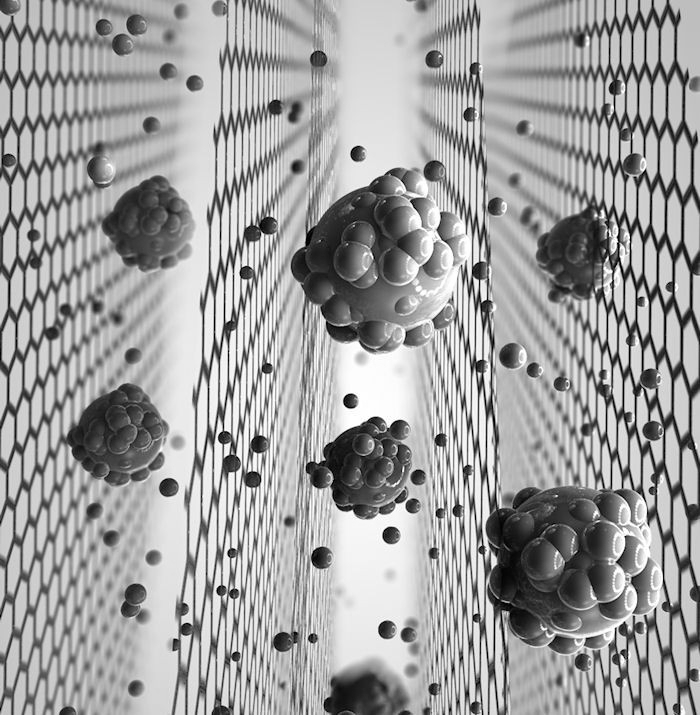
Graphene is a single layer of carbon atoms arranged in a honeycomb-shaped lattice. Despite being only one atom thick, it is incredibly strong, highly flexible, and an excellent conductor of electricity and heat . Because of its unique structure, graphene offers exceptional chemical stability, a high surface area, and powerful adsorption capabilities , adsorption here refers to the process by which molecules stick to the surface of a material, unlike absorption, where molecules penetrate the material itself. These properties make graphene ideal for environmental applications , such as water purification and pollutant removal.
During the conference, researchers explained how graphene based membranes and nanocomposites are emerging as powerful tools for advanced water purification. These materials can act as highly efficient filters capable of trapping harmful chemicals, heavy metals and other contaminants that are difficult to remove using conventional treatment methods.
Scientists from the Centre for Fire, Explosive and Environment Safety , part of the Defence Research and Development Organisation , highlighted the environmental potential of graphene based nanocomposites. According to researchers, these materials can function as highly effective adsorbents , capturing toxic substances from polluted water and helping reduce environmental contamination.
Another presentation by experts from the National Graphene Institute at the University of Manchester focused on developing graphene membranes for next generation purification systems .
Unlike traditional technologies such as reverse osmosis, graphene membranes allow scientists to precisely control the movement of ions and molecules by adjusting the spacing between graphene layers and modifying the electrical charge on the membrane surface. This enables highly precise filtration while potentially using less energy.
Experts believe these innovations could significantly improve desalination and wastewater treatment , offering a more efficient and sustainable way to produce safe drinking water. For developing regions struggling with water scarcity and pollution, graphene based purification systems could become a game changing solution .
Beyond water treatment, researchers at the conference are also exploring a wide range of future applications for graphene, including advanced electronics, quantum materials and next generation semiconductor technologies.
As research continues to advance, graphene may soon move from experimental labs to real world systems, offering a powerful technological pathway toward cleaner water and a more sustainable future .