
Throwing Oil On Fire: Russia Slams Britain As Ukraine Gets New Missile Boost
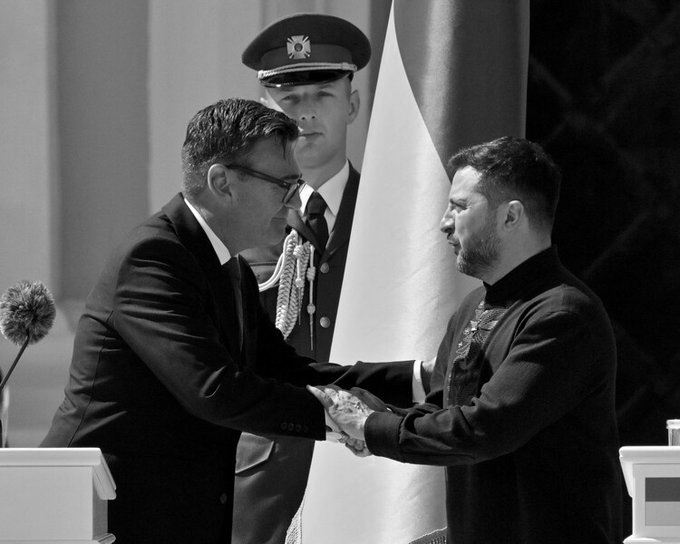
UK Prime Minister Andy Burnham arrived in Kyiv on Monday as Ukraine marked 35 years of independence, promising continued British military support. His visit, however, drew a sharp response from Moscow, which accused Britain of “throwing oil on the fire” by helping Ukraine expand its long range missile capabilities.
Burnham, on his first overseas trip since becoming prime minister, was due to meet President Volodymyr Zelenskyy and co-chair a meeting of the so-called Coalition of the Willing. European Council President Antonio Costa, Moldovan President Maia Sandu, Luxembourg Prime Minister Luc Frieden and Estonian President Alar Karis also arrived in Kyiv.
Britain has agreed to allow defence company MBDA to release classified information about British components used in the SCALP cruise missile. The move could help France and Ukraine advance plans for local production of the weapon in Ukraine. SCALP is the French version of Britain's Storm Shadow and uses shared French and British technology.
Kremlin spokesman Dmitry Peskov criticised the decision, saying Britain was adding fuel to the conflict and hindering efforts towards peace. Moscow also warned that Russian forces were identifying possible Ukrainian missile production facilities and could target them. Burnham nevertheless reaffirmed Britain's military backing for Ukraine.
The diplomatic confrontation came alongside several dramatic Russian battlefield claims. Moscow said a mobile air defence team from BARS Kursk used machine guns to intercept a Ukrainian FP 5 Flamingo cruise missile during an overnight attack on August 23.
According to Russian officials, the team had received an advance warning and spotted a large object flying at less than 50 metres altitude and around 500 kmph. The volunteers allegedly opened fire, hit the missile and forced it to lose altitude before it crashed into a wooded area. Russia claimed the missile was heading towards a strategic facility in the Tula region.
The claim has not been independently verified, and Ukraine has not confirmed the Russian account. The Flamingo has become one of Ukraine's most closely watched long range weapons and has been presented as part of Kyiv's growing ability to strike deep inside Russia.
Russia's Defence Ministry separately claimed its air defences intercepted or destroyed 351 Ukrainian drones overnight, with drones reportedly detected across nine Russian regions and over parts of the Azov and Black seas.
Moscow has also claimed that a Russian Su 35 fighter jet struck a US made Patriot air defence system from around 125 kilometres away. Russian accounts said an anti radiation weapon was used against the system. That claim also remains unverified. The reported incident is significant as Ukraine continues to seek additional Patriot systems and interceptors to counter Russian ballistic missiles.
Meanwhile, Kyiv is expanding defence cooperation with Europe. On Sunday, Zelenskyy hosted leaders from Denmark, Finland, Estonia, Latvia, Lithuania and Norway for a Nordic Baltic summit. Ukraine and Finland signed defence industry agreements covering drones, maritime unmanned systems and robotic technologies, as Kyiv seeks to expand domestic production and reduce dependence on foreign supplies.
Zelenskyy also addressed a national prayer breakfast in Kyiv on Sunday, held around National Flag Day. He acknowledged the pain and fatigue caused by the war but urged Ukrainians to remain united, saying a divided Ukraine could not secure lasting peace.
On Independence Day, Zelenskyy called on Ukraine, Europe and the United States to stay united, increase pressure on Russia and impose tougher sanctions. He urged allies to provide the weapons needed to push Moscow towards negotiations and called on China to respond more actively to nuclear threats.
Ukraine's growing domestic weapons production, Western military support and long range strikes are being matched by Russia's missile and drone attacks across Ukraine. The latest claims about the Flamingo and Patriot systems remain unconfirmed, but they underline the increasingly intense battle involving missiles, drones, air defence and defence production.