
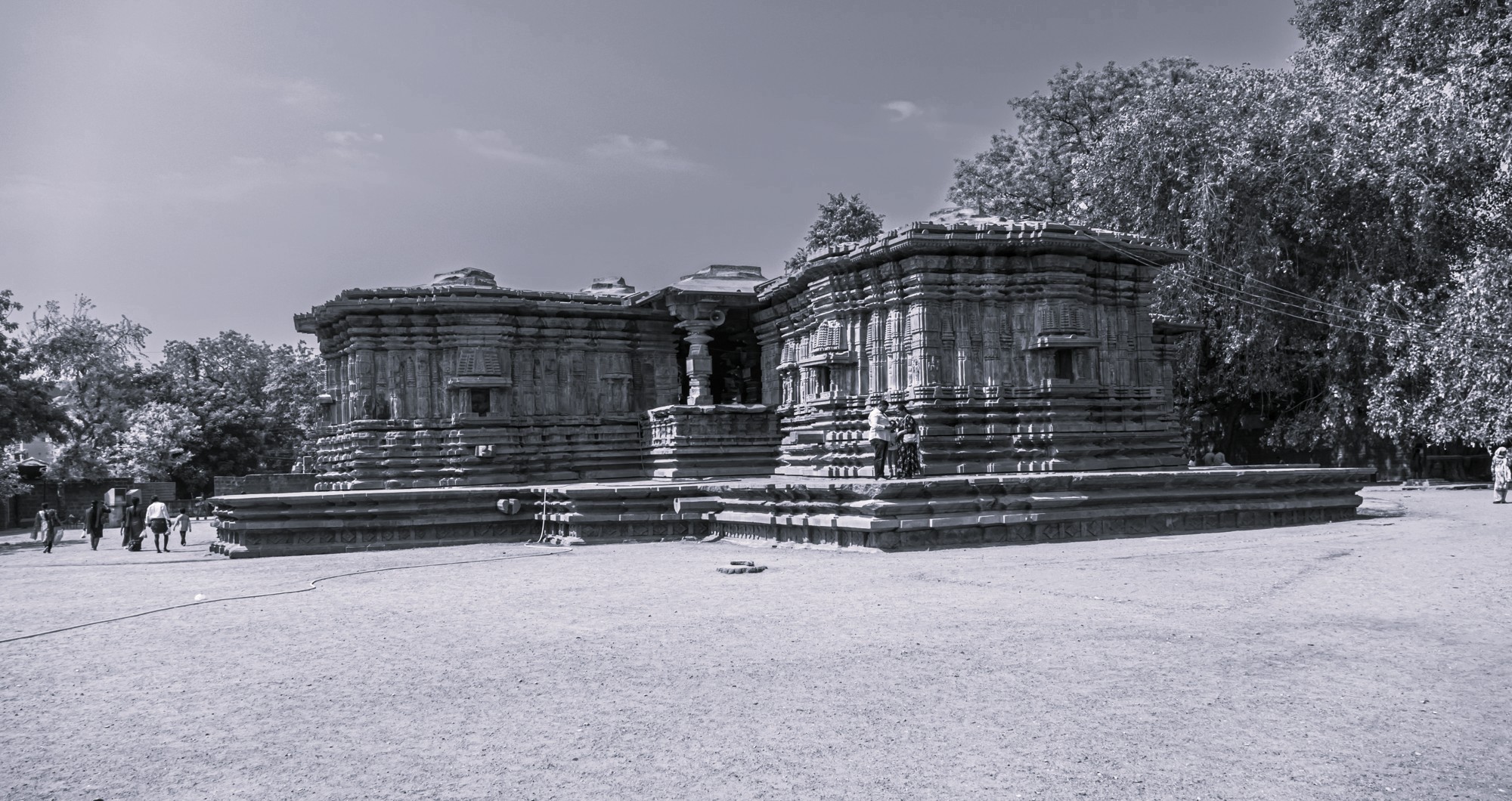
Thousand pillar temple: The crown jewel of Kakatiya architecture
In the heart of Hanamkonda, where history whispers through stone and sculpture, stands one of Telangana’s most enduring symbols of artistry and devotion, the Thousand Pillar Temple. This architectural masterpiece, dedicated to Lord Shiva, Lord Vishnu, and Lord Surya, is more than 800 years old yet continues to captivate historians, devotees, and travelers from across the globe.
A Glimpse into the Past
The Thousand Pillar Temple, known locally as Veyyi Sthambhala Gudi, was commissioned by King Rudra Deva of the Kakatiya dynasty in 1163 AD. It was constructed during a period when the Kakatiyas were at the peak of their power, using temple architecture not just as a place of worship but also as a statement of cultural refinement and political pride.
The Name and Its Significance
While the temple is called the “Thousand Pillar Temple,” it does not literally have a thousand pillars. Instead, the name refers to the numerous intricately carved pillars that support the temple and its mantapas. The sheer number of these columns each uniquely designed creates a sense of endless artistry and symmetry.
Architectural Brilliance
The temple is built in the Trikutalaya style, meaning it houses three sanctums one each for Shiva (Rudreshwara), Vishnu, and Surya. All three shrines are connected by a common hall, and the entire complex rests on a star-shaped platform (Ekakuta Vimana design influence).
Material: The temple is constructed from finely polished granite and dolerite, with intricate carvings on every inch.
Carvings: The sculptures depict scenes from the Ramayana, Mahabharata, and Puranas, as well as floral motifs, dancers, and mythical creatures.
Nandi: A massive monolithic Nandi bull, carved from a single block of black basalt, sits facing the Shiva sanctum.
Pillars: Each pillar is a marvel of craftsmanship, with smooth polish and unique designs that play with light and shadow throughout the day.
Cultural and Historical Importance
The Thousand Pillar Temple is not merely a religious structure; it represents the zenith of Kakatiya art and engineering. The temple stands as a testament to the dynasty’s patronage of art, sculpture, and temple building, which later influenced architectural traditions across South India. It also serves as an important archaeological site, helping historians trace the socio-religious practices, engineering methods, and artistic innovations of medieval Telangana.
The Temple Today
After centuries of weathering and partial damage from invasions during the medieval period, the temple has undergone extensive restoration under the Archaeological Survey of India (ASI). The site is now a protected monument and a major highlight of Warangal’s tourism circuit.
Best Time to Visit
October to February offers the most pleasant weather for exploring the temple and nearby heritage sites. Early morning visits are ideal to experience the serenity and capture the carvings in the soft golden light.
Travel and Amenities
Location: In Hanamkonda, about 150 km from Hyderabad.
By Road: Well connected by NH 163, with frequent buses and taxis from Hyderabad and Warangal railway station.
By Train: Warangal and Kazipet junctions are the nearest major railway stations.
Facilities: Tourist information boards, guides, and nearby eateries are available. For accommodations, Warangal city offers a range from budget hotels to luxury stays.
Nearby Attractions
Visitors often combine a trip to the Thousand Pillar Temple with Warangal Fort, Bhadrakali Temple, Ramappa Temple, and Pakhal Lake for a full heritage tour. The Thousand Pillar Temple is not just stone and sculpture, it's a story in granite, a prayer in architecture, and a timeless link between Telangana’s glorious past and vibrant present.