
Thiruvananthapuram zoo steps up heat safeguards for animals as temperatures rise
Authorities at the Thiruvananthapuram Zoo have intensified measures to protect animals from rising temperatures as the India Meteorological Department issued a yellow alert for soaring heat across Kerala.
Home to nearly 984 animals belonging to 92 species , the zoo has rolled out an intensive heat-mitigation strategy aimed at safeguarding its diverse inhabitants during the peak summer months. A dedicated team of caretakers and veterinarians is working round the clock to maintain safe conditions inside enclosures.
A key element of the plan is a revamped nutritional plan focused on hydration rather than heavy caloric intake. Animals are being served fruits such as iced watermelons, chilled grapes and pomegranates at regular intervals throughout the day. According to zoo veterinarian Nikesh Kiran, each species has been provided with a customised summer menu designed to maintain electrolyte balance and prevent heat exhaustion .
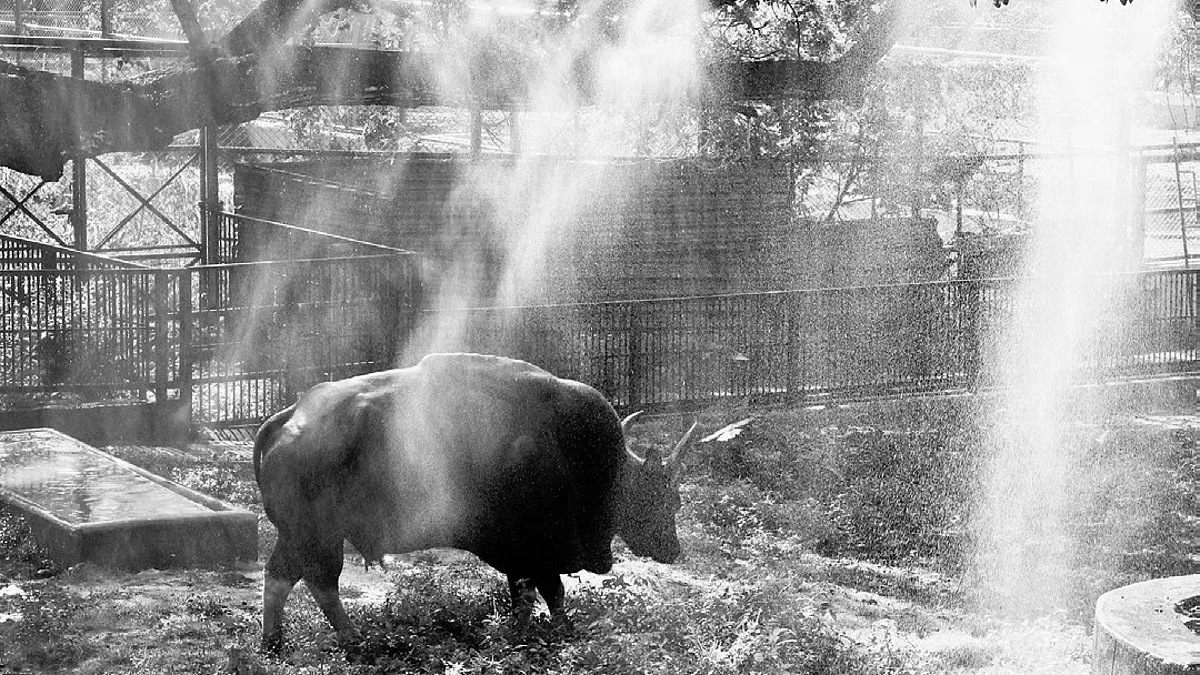
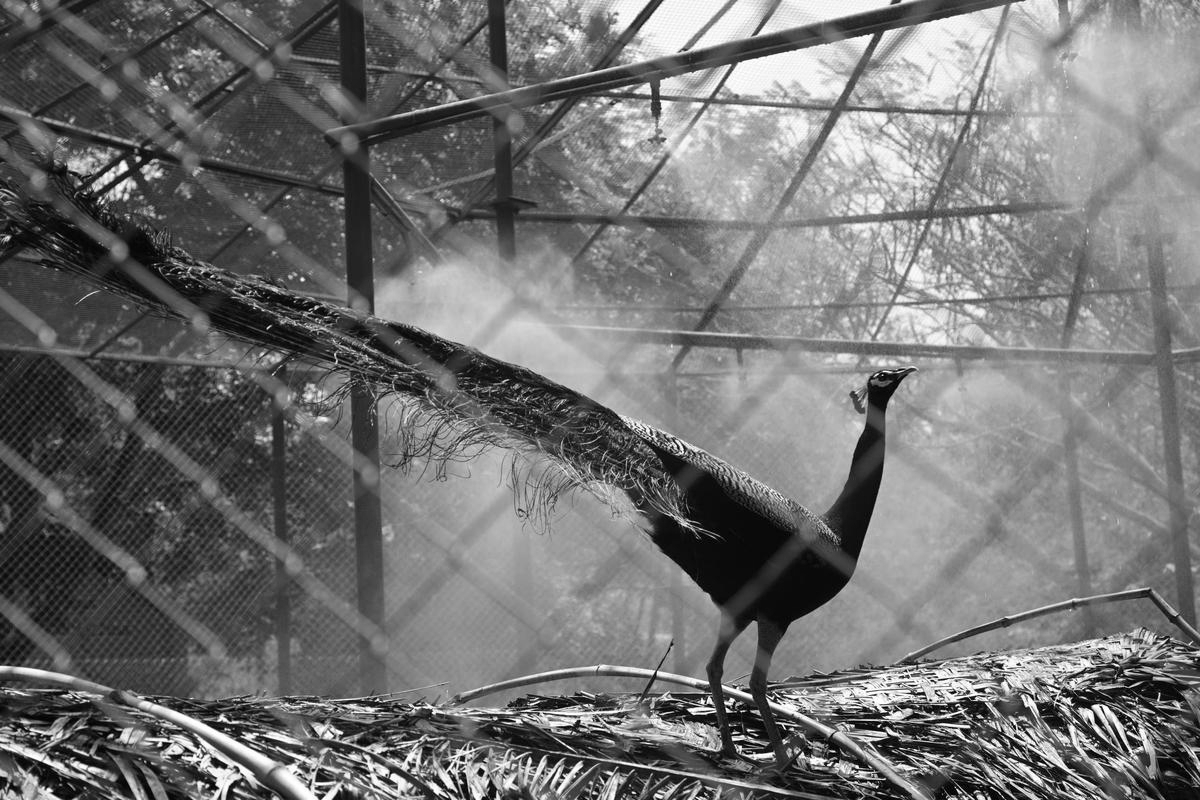
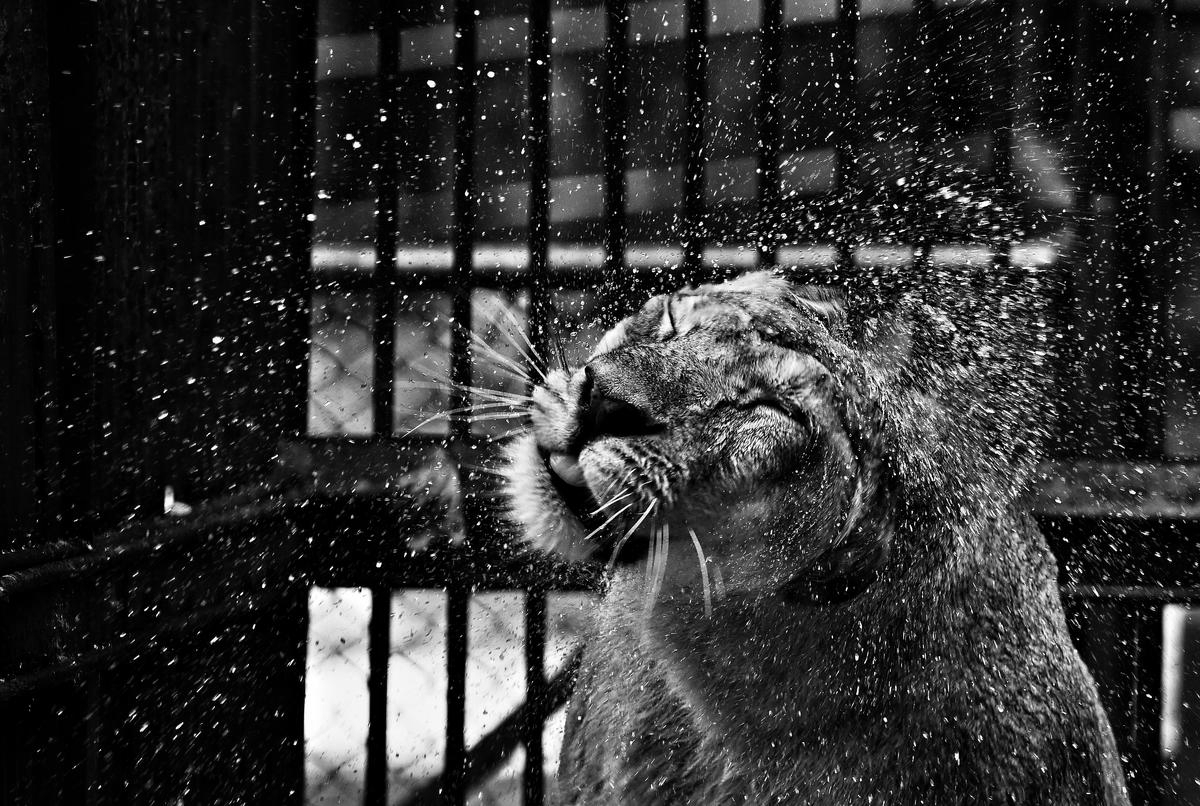
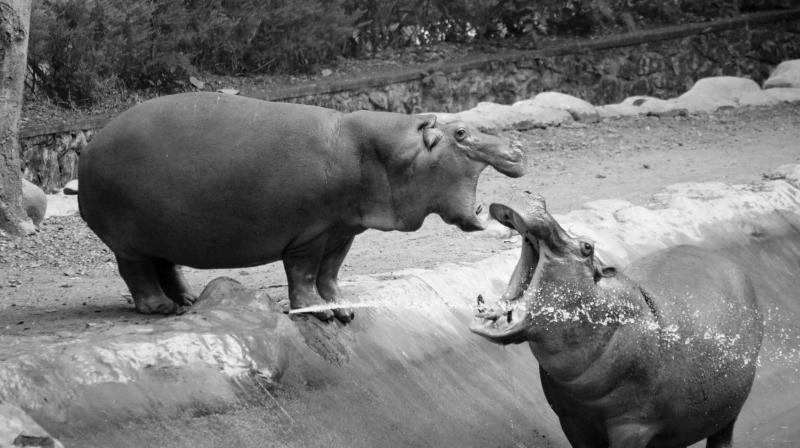
Cooling infrastructure across the zoo has also been strengthened. Animals such as bears spend extended periods in artificial ponds , which are regularly replenished with fresh water. Enclosures are equipped with overhead sprinkler systems that create a cooling mist to lower surrounding temperatures.
Additional measures include pedestal fans, expanded shaded areas and the use of oral supplements to reduce the risk of heat stress. Officials are also considering adjusting feeding schedules so animals are fed during cooler hours of the day. Authorities are further exploring the installation of rain-gun systems to simulate showers and cool larger enclosures.
Caretakers have been instructed to maintain round-the-clock monitoring of water levels and animal behaviour to ensure every enclosure remains adequately cooled.
Similar heat-protection strategies are being implemented at zoos across the country. Facilities in Delhi, Maharashtra, Karnataka, Gujarat, Jharkhand and Assam have introduced cooling systems, water pools, misting arrangements and fruit-rich diets to help animals cope with extreme summer temperatures.
Officials said these proactive measures are helping ensure that zoo animals remain safe and comfortable despite the intensifying heat.