
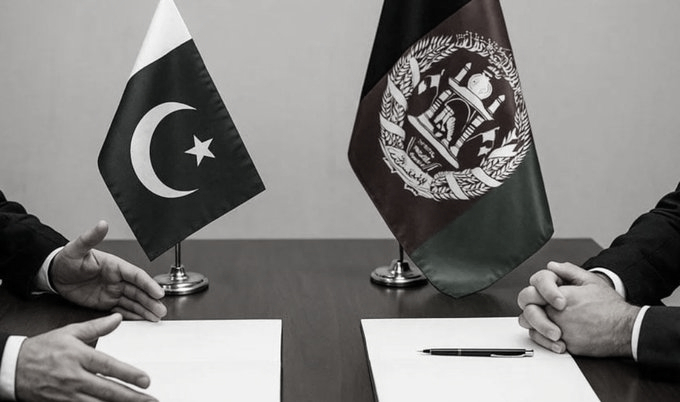
Third Afghanistan-Pakistan peace talks end in deadlock
The third round of peace talks between Afghanistan and Pakistan ended without an agreement, with both sides blaming each other for the deadlock. The breakdown adds to a history of mistrust and escalating tensions between the two neighbors.
Pakistan’s decades-long involvement in Afghanistan has contributed to the current standoff. Islamabad spent years supporting the Taliban, and it welcomed their return to power. Yet now, the same Taliban it once backed are facing Pakistan in a diplomatic and potentially military standoff.
The talks in Istanbul, Turkey, followed earlier rounds in Doha and Turkey. The first round in Doha had achieved a ceasefire, while the second aimed to secure broader agreements on security and cross-border terrorism. Pakistan’s key demand has been for the Taliban-led Afghan government to rein in the Tehrik-i-Taliban Pakistan (TTP), also known as the Pakistani Taliban. While the TTP shares some ethnic links with the Afghan Taliban, the groups operate independently and have recently carried out attacks in Pakistan. Kabul has repeatedly said it cannot control the TTP, a stance it maintained during the Istanbul discussions.
Taliban spokesman Zabihullah Mujahid criticized Pakistan for shifting all security responsibility onto Afghanistan and failing to take any responsibility for its own security. "Representatives of the Islamic Emirate of Afghanistan participated in Istanbul in good faith and with full authority, hoping the Pakistani side would approach the issue seriously and constructively, presenting realistic and implementable demands to reach a fundamental solution," Mujahid said.
The Taliban reaffirmed their commitment to ensuring Afghan territory is not used against other countries. "The Islamic Emirate of Afghanistan reiterates its principled position: it will not allow anyone to use Afghan territory against another country, nor permit any country to take actions that undermine Afghanistan's sovereignty, independence, or security," he said.
Pakistan’s Defense Minister Khawaja Asif described the talks as a "complete deadlock," claiming the Afghan delegation refused to sign written agreements and only offered verbal assurances. He also issued strong warnings, stating that Pakistan could "completely obliterate the Taliban regime" if necessary, though analysts note that such statements come from a politically and militarily pressured source, and actual escalation may be more measured.
The risk of broader conflict is influenced by several factors. Pakistan’s army, led by Gen. Asim Munir, faces domestic pressure as the TTP continues attacks within Pakistan, including targeting soldiers. Islamabad also perceives a potential threat from India’s influence in Kabul, though this is largely unsubstantiated. Finally, Pakistan would likely seek international support, including arms or political backing, before any large-scale operations. For now, the West appears more concerned with the Islamic State than the Taliban, limiting support for any aggressive Pakistani moves.
The stalemate follows reports of four Afghan civilians killed and five others wounded in border clashes, even as negotiations were ongoing. The collapse of the talks marks another setback for peace and highlights the fragile security situation in South Asia, where tensions between Islamabad and Kabul remain unresolved and potentially volatile.