
The Unexpected Inspiration Behind Gabriel Mascaro’s Acclaimed Film
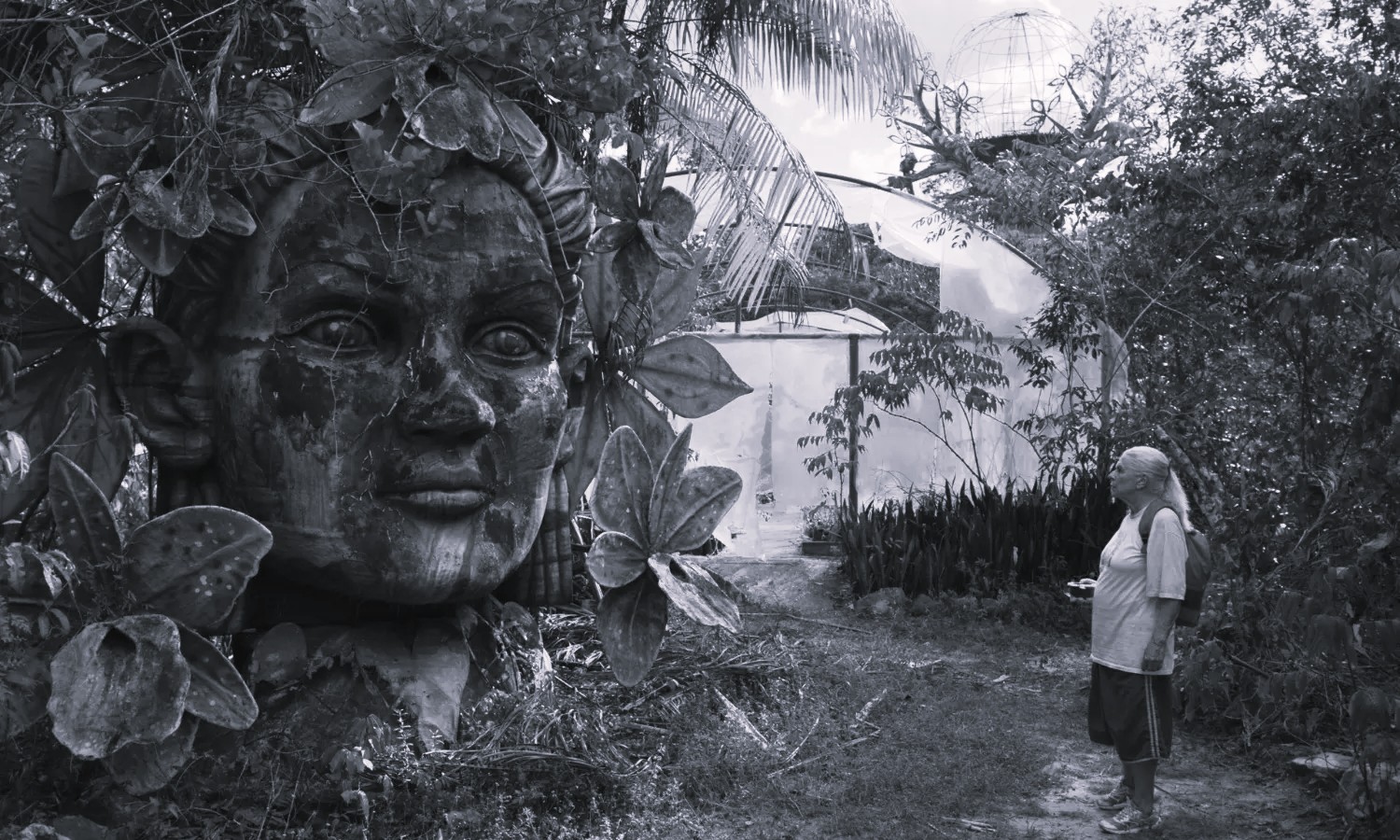
Brazilian filmmaker Gabriel Mascaro has revealed that the vibrant culture of Goa, particularly its unique casino scene, inspired several elements of his latest film, The Blue Trail, which recently opened the 56th International Film Festival of India (IFFI) in Goa. The dystopian drama follows 77-year-old Tereza, who defies a government relocation order for the elderly and embarks on a personal journey through the Amazon. The film has garnered international acclaim, winning the Grand Jury Prize at the 2025 Berlinale, and resonated strongly with audiences for its universal themes of freedom, dignity, and the right to dream.
Mascaro first visited Goa six years ago and was struck by its cultural ambience, architecture, and, notably, the presence of large floating casinos along the rivers. “When I was writing the screenplay, I thought, ‘My movie could have a casino as well,’” he said, explaining how the Goan environment influenced both the visual style and certain plot elements. He emphasized that while most of the film is fictional and employs absurdist storytelling, it is rooted in social observation, reflecting not only Brazil’s realities but also universal human experiences.
Born in Recife, Brazil, in 1983, Mascaro is a filmmaker and visual artist who began his career in documentaries and video art, gradually moving into fiction. He studied Social Communication at the Federal University of Pernambuco and has showcased his works at prominent international festivals such as Rotterdam, Venice, Sundance, and Berlin, as well as at renowned institutions like MoMA and the Guggenheim. His early works include documentaries like KFZ-1348, Um Lugar ao Sol, and Doméstica, exploring social inequalities, domestic life, and urban realities. Mascaro later transitioned to fiction, directing acclaimed films such as Ventos de Agosto, Boi Neon (Neon Bull), and Divine Love, each reflecting his interest in social commentary, identity, and human resilience.
Reflecting on similarities between India and Brazil, Mascaro noted their shared cultural diversity, architectural richness, and climatic conditions. “It’s very beautiful and inspiring to see a country where so many resilient cultures coexist. Brazil has that too, but not as strongly as India,” he said. Mascaro expressed a particular admiration for Indian independent cinema, citing Chaitanya Tamhane’s Court and Payal Kapadia’s All We Imagine as Light as inspiring examples of strong indie filmmaking thriving alongside Bollywood.
Mascaro also described IFFI as an exceptional platform for cross-cultural dialogue. He hoped to return to India for longer visits to deepen his understanding of local culture, saying, “Three days is not enough to spend in Goa because you need time to understand the local culture. I hope I can connect more and more with India.” Through The Blue Trail, Mascaro demonstrates how global cinema can draw inspiration from local environments, using Goan culture not just as a backdrop, but as a creative springboard for universal stories about aging, autonomy, and the enduring human spirit.