
The unexpected EV powerhouse of India
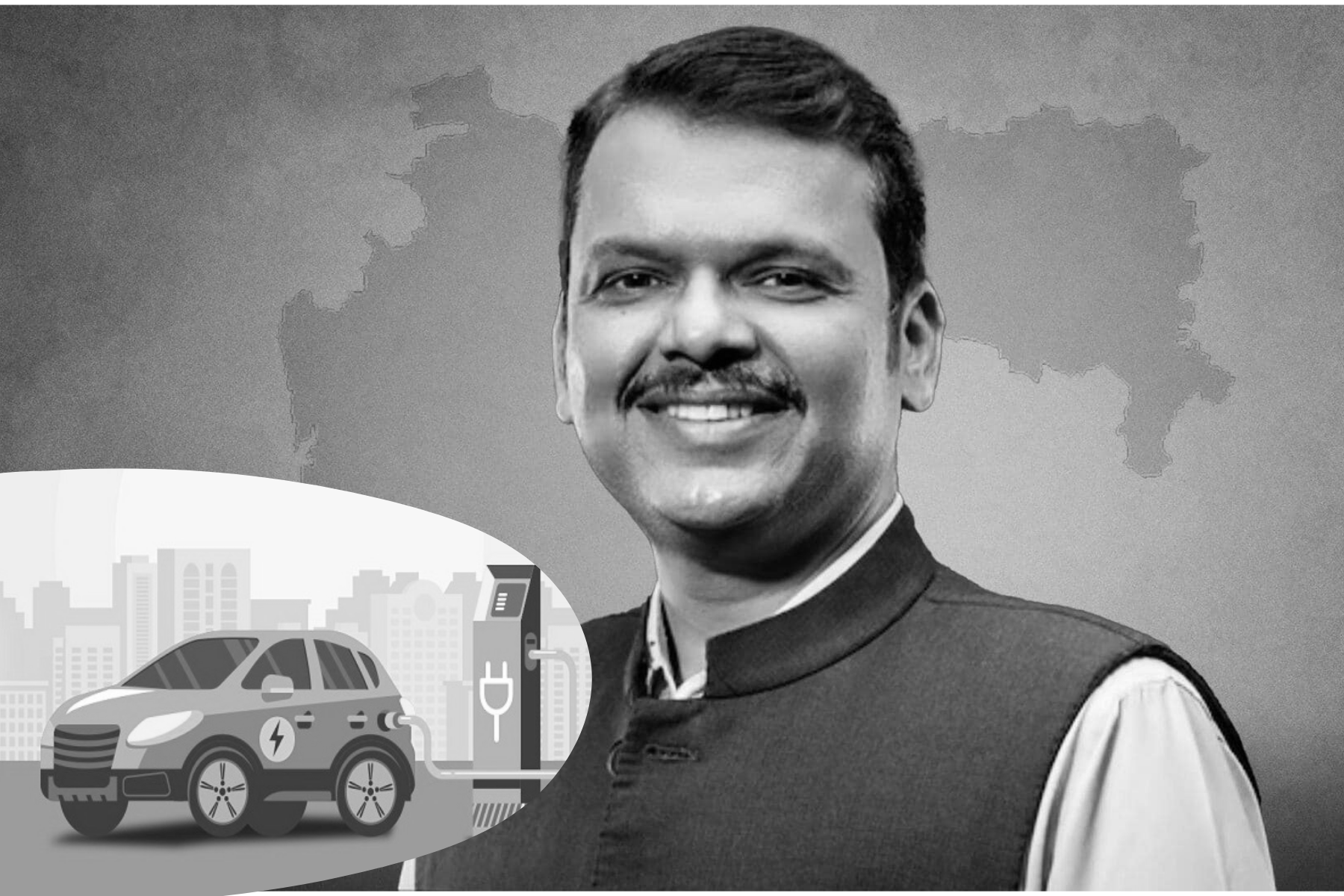
Chhatrapati Sambhajinagar woke up to big promises. Maharashtra Chief Minister Devendra Fadnavis said the city,long seen as a regional centre,is being groomed to become India’s electric-vehicle (EV) capital. He pointed to recent investments (including Hyundai), new factories, rail links and a steady flow of state funding as the proof that industry and infrastructure are finally moving to Marathwada. "Marathwada is a drought-prone region. But our government has decided to make the drought our past. We have brought water from the Krishna river valley in Marathwada. In the second phase, excess water in Sangli and Kolhapur will be brought here along with 54 TMC of water from the Ulhas river valley," he said.
At first glance the plan is simple: attract manufacturers, build supply chains, add workers and water, and the rest will follow. Fadnavis listed concrete wins,Hyundai’s vote of confidence, a Latur coach factory expected to create about 14,000 jobs, improved rail connectivity (Beed-Ahilyanagar), and a Rs 2,700-crore water pipeline scheme supported by the state. The government also promises a second phase of water transfers (from Sangli, Kolhapur and 54 TMC from the Ulhas valley) to overcome the region’s drought history. Taken together, these announcements are designed to send one message: Sambhajinagar is open for big, industrial business.
But turning a hopeful slogan into an EV manufacturing hub is a multi-year marathon, not a ribbon-cutting. Here’s what matters,and what will determine whether the claim becomes reality.
Jobs and factories: real, but selective: A coach factory and a few large investments create immediate jobs and help build industrial momentum. Yet EV manufacturing is not just about assembling cars. It needs a dense local ecosystem: battery plants, cell suppliers, electronics, wiring harness makers, plastics and rubber vendors, thermal management firms, and EOL (end-of-life) recycling. Unless tier-2 and tier-3 suppliers set up nearby, lead manufacturers will still import components or depend on distant vendors,which raises costs and weakens the “capital” case. The government’s task is to turn initial anchor investments into a supplier cluster through incentives, land parcels, and predictable power and logistics.
Water and power: the twin lifelines Marathwada’s chronic water scarcity is central to this story. The Rs 2,700-crore pipeline and plans to bring Krishna and Ulhas water are bold,and politically powerful,but inter-basin transfers are complex. They require final detailed project reports (DPRs), clearances, land and community buy-in, and careful environmental management. Fadnavis said DPRs will be ready by December and tenders floated early next year; those are fast timelines on paper but will be tested in implementation. Power stability is equally critical for EV plants and battery fabs; investment must be matched by reliable, affordable electricity and potential captive renewable supply.
Skills and supply chain: the missing puzzle piece Bengaluru, Pune and Chennai have the engineering talent and supplier base that drew many auto and EV investments to India. Sambhajinagar must either attract workers from elsewhere or scale local training fast. Vocational centres, tie-ups with polytechnics, and skilling programmes targeted at EV technologies (battery assembly, e-mobility electronics, quality inspection) will decide whether jobs are local and lasting, or short-lived contract roles.
Politics, social tensions and implementation risk Announcements don’t happen in a vacuum. Recent protests over caste certificates (Kunbi/OBC issues) and occasional sloganeering at public events underline local sensitivities. Political friction, land disputes, and claims of regional neglect can slow approvals and create delays. Transparent land acquisition, fair compensation, and outreach to local communities will be essential to prevent friction turning into prolonged stalling.
Economic upside if execution holds: If water, power, land and skills are lined up, the economic gains are real: new jobs across skill levels, growth in ancillary industries, higher local spending and improved transport links that benefit farmers and traders. An EV cluster in Marathwada could also broaden India’s industrial map beyond traditional hubs and reduce regional imbalances.
Calling Sambhajinagar “India’s EV capital” is aspirational and useful as a rallying cry. The headline attracts investors and shifts the narrative from drought and neglect to industry and opportunity. But the claim will stand only if the state converts announcements into sustained action: timely DPRs and clearances, focused supplier incentives, reliable electricity and water, local skilling, and careful community engagement. In short, the promise is plausible,but it will be won or lost in the messy, technical, political work of delivery.