
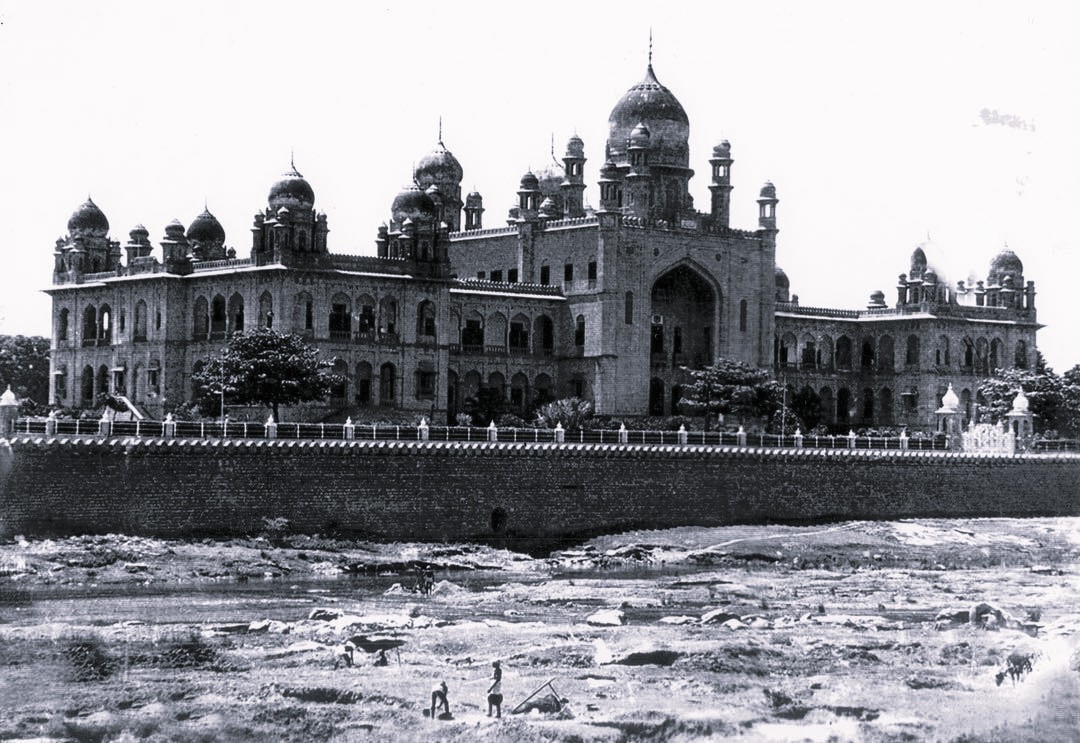
The night Hyderabad drowned - 1908’s Musi fury
Sometimes history has a way of reminding us of its darkest chapters. Over a century ago, in September 1908, Hyderabad was devastated by the catastrophic Musi river floods that left thousands dead and the city in ruins. And just recently, when the Musi swelled once again after heavy rains and the release of water from Himayat Sagar, many Hyderabadis were reminded of that tragic night.
The flood of 1908 remains imprinted in the city’s memory as one of its worst disasters. In the early hours of September 28 that year, after days of relentless rain, the Musi river burst its banks. Water surged into the city, sweeping away homes, bridges, and entire neighborhoods. Historical accounts say around 15,000 people lost their lives, and countless monuments and houses crumbled in the flood. Hyderabad, overnight, had turned into a city of sorrow.
The disaster unfolded with terrifying speed. It began with a sudden cloudburst on September 26, which brought down heavy rains accompanied by thunder and lightning. Reservoirs and tanks around the city, including Palmakul and Parthi, overflowed and collapsed. By the night of September 27, floodwaters had already reached the city’s outskirts. In the early hours of September 28, the city’s protective walls collapsed, and by dawn, the Musi had engulfed central Hyderabad. Bridges such as Afzal Bridge were heavily damaged, while others like Purana Pul and Mussallam Bridge barely survived the deluge.
By 11 a.m., the Musi had reached its peak level, submerging large parts of the city under nearly 40 feet of water. Localities such as Dhoolpet, Chudi Bazaar, Kotla, and Hussain Kunta were among the worst affected. Homes collapsed, entire streets vanished, and families were torn apart. In just a few hours, Hyderabad’s cultural and architectural heritage was drowned under muddy waters.
Yet, amid the destruction, humanity shone through. Survivors recall how neighbors opened their doors to the homeless, shared food with the hungry, and extended a hand to those in despair. The flood was tragic, but it made people come together, and that togetherness helped the city rebuild and become stronger.
Today, more than a century later, when the Musi swells after heavy rains and reservoirs overflow, the city cannot help but remember that dreadful night. But unlike in 1908, Hyderabad is better prepared now, with modern infrastructure, disaster management systems, and community awareness. The Musi may rise again, but the lessons of history remind us that the city, no matter how badly scarred, will always find a way to rise.