
The hidden crisis of unclaimed public funds: A deep dive into India’s dormant accounts
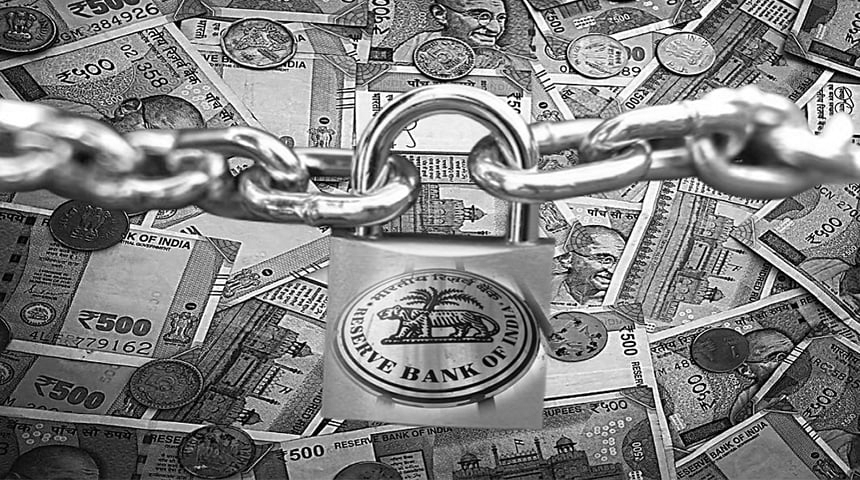
Over ₹1.5 lakh crore (₹150,000,000,000) lies dormant in unclaimed accounts across India. This is public money that should be used for the welfare of the people, but instead, it is locked away and largely forgotten. Most of this money was meant for government welfare schemes, public projects, and charitable initiatives designed to support the country’s most vulnerable citizens. However, due to systemic neglect, this money has not reached those it was intended for and continues to sit idle.
The shocking discovery was made by financial journalist Sucheta Dalal, who uncovered t he vast scale of unclaimed funds now trapped in a Reserve Bank of India (RBI) account called the Depositor Education and Awareness Fund (DEAF). While the intention behind DEAF was to hold unclaimed money for rightful claimants, it has turned into a black hole for public funds, one that is hard to access and almost impossible for the common man to navigate.
What is DEAF and Why Does it Matter?
The Depositor Education and Awareness Fund (DEAF) is a fund created by the Reserve Bank of India to hold money from accounts that have been dormant for 10 years or more. Normally, money in such accounts should b e returned to the rightful owners or their beneficiaries. However, over ₹78,000 crore (₹78 billion) is currently locked in DEAF, and this sum continues to grow as more dormant accounts are transferred in.
The real problem is that much of this unclaimed money was meant for public welfare and development projects,funds designated for rural roads, community development, education, healthcare, and military welfare. Instead of these funds being used for their intended purposes, they remain locked away in the RBI’s DEAF account, inaccessible to the people who need them most.
The Scale of the problem:
Dalal’s investigation revealed that a significant portion of the dormant accounts belong to government schemes, charities, and other social initiatives. Some of the funds linked to these schemes include:
• Pradhan Mantri Gram Sadak Yojana (PMGSY), a rural road development initiative.
• Mahatma Gandhi National Rural Employment Guarantee Act (MGNREGA), which provides employment in rural areas.
• Military Welfare Funds, meant to support armed forces personnel and their families.
• Charitable Trust Accounts linked to organizations like the Mulji Valji Foundation and others based in Mumbai and Pune.
These funds were meant to help people, build infra structure, and create opportunities for the poor and marginalized. However, they have remained trapped in the system, unclaimed and unused.
Why Has This Money Been Lost?
The key issue lies in how these accounts were opened and managed. Dalal’s investigation showed that many of these accounts were opened with little to no verification or auditing. Some accounts have incorrect or misspelled names, making it difficult for anyone to trace the rightful owners. Others were opened with no Know Your Customer (KYC) checks, bypassing the normal procedures to verify the identity of account holders. As a result, the money in these accounts has remained untouched for years.
The government and charitable organizations that set up these accounts failed to track or audit them effectively. For many, the funds that should have supported public welfare schemes and charitable initiatives are now los t, locked in dormant accounts with no way for beneficiaries to access them.
The UDGAM portal, A barrier to access:
In an effort to address the issue of unclaimed deposits, the RBI la unched the UDGAM Portal. This online platform is meant to help people locate unclaimed funds that have been transferred to DEAF and reclaim their money. The idea behind the portal is to provide a simple and efficient way for people to track and access funds they are entitled to.
However, the reality of using the UDGAM portal is far from ideal. While the portal was designed to be user-friendly, the process for accessing funds is complicated and full of hurdles. To use the portal, users must first register by providing personal details such as a mobile number and email. After registration, users are required to know specific details about the account they’re searching for, such as the account name or number. But the real challenge comes from the lack of proper account information, as many accounts were opened with incorrect or incomplete details. Additionally, the portal requires various identification documents, such as PAN cards or Aadhaar numbers, which can be hard for individuals to obtain, especially if the accounts are decades old.
Furthermore, users often face issues like frequent logouts from the portal, making the search process slow and frustrating. This creates a barrier to accessing the funds, particularly for individuals who are not tech-savvy or who have difficulty navigating the complex system.
What’s at Stake?
The money sitting in these dormant accounts isn’t just idle cash, it is public money meant for public good. The lack of accountability and transparency surrounding these funds represents a massive failure of both the banking system and government agencies. Money intended for welfare schemes and development projects could have been used to improve roads, provide employment, fund healthcare, and support charitable causes. Instead, it is locked away, inaccessible to the people who need it most.
Th is situation raises troubling questions about accountability in the management of public funds. If funds meant for social welfare, community development, and charitable causes are allowed to go unclaimed and untouched, how can we expect ordinary citizens to trust the system to serve their needs? The failure to track and utilize these funds points to a deeper systemic problem within the banking and government sectors.
What Needs to Be Done?
Dalal argues that the only way to resolve this issue is through greater transparency and accountability. Here are some steps that could help address the problem:
• Forensic Investigation: A thorough investigation into how these accounts were opened, why they remain dormant, and why the money hasn’t been claimed.
• Simplified Access: The creation of a more user-friendly system for individuals to search for and reclaim unclaimed funds. This could involve streamlining the process on the UDGAM portal or creating a new platform that provides easier access.
• Accountability for Banks and Agencies: Banks and government agencies must be held responsible for ensuring that unclaimed funds are tracked and used for their intended purposes.
A call for action:
The sheer scale of unclaimed funds,over ₹1.5 lakh crore,should be a wake-up call for everyone. These funds, if properly accessed, could support critical infrastructure, provide education, improve healthcare, and boost social welfare programs. But instead, they are locked away, and the people who need them the most remain without support.
If you think you may be entitled to some of this money, it’s time to act. Here’s how you can help:
• Check the UDGAM Portal: If you or your organization are linked to any government scheme or charitable trust, check to see if any funds are available.
• Demand Transparency: Push for more accountability from banks and government agencies, and ask for an easier way to access these funds.
• Raise Awareness: Spread the word about the issue of unclaimed funds, so that more people become aware and demand action
At the heart of this issue is accountability. The government and the RBI must take responsibility for ensuring that the money in these dormant accounts is used for the public good. Only then can we hope to unlock the potential of th ese funds and use them to build a better future for all.