
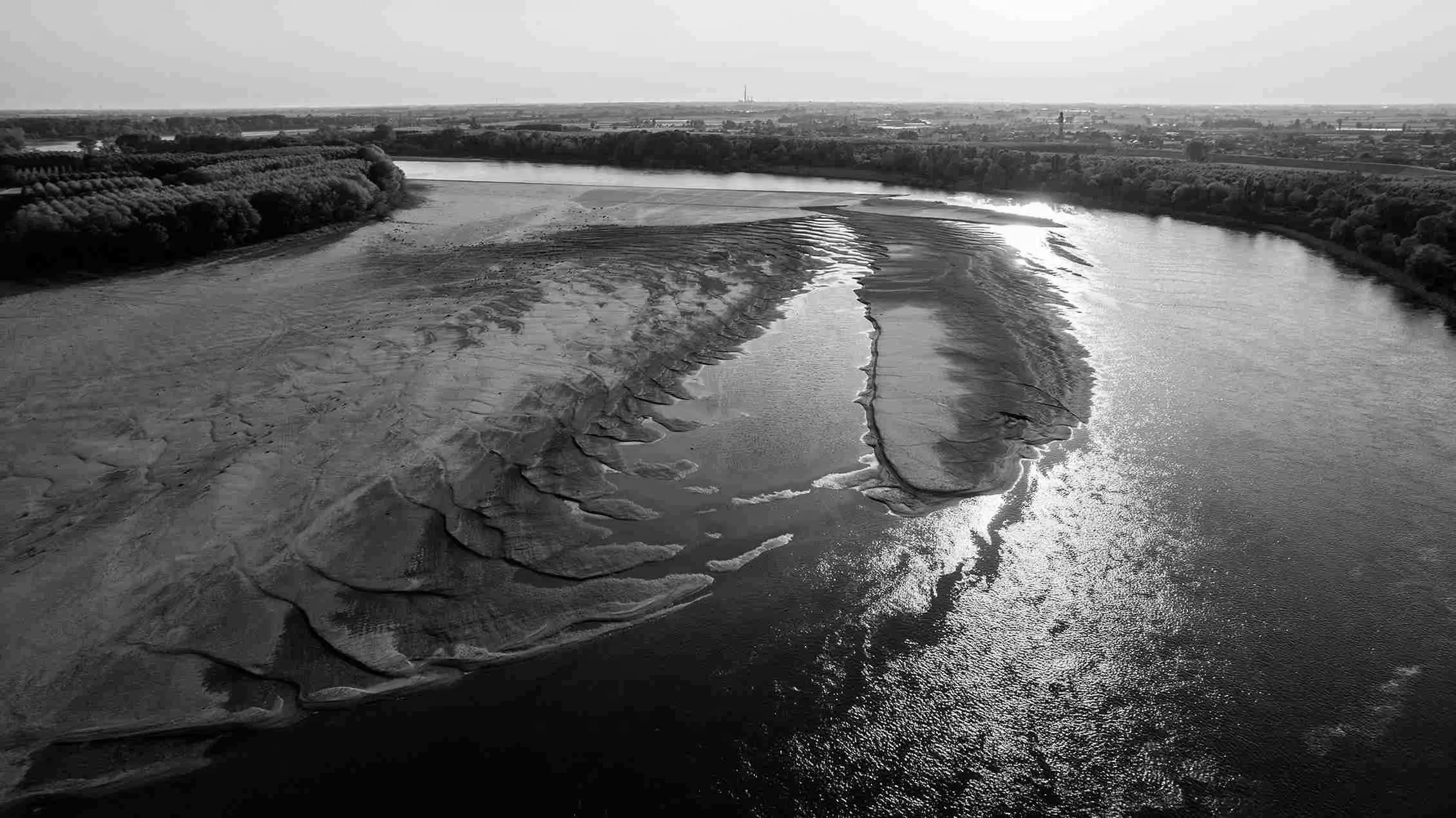
The cities shine, the rivers die: India’s Forgotten Water Story
India’s cities are rising fast, glimmering towers, expressways, and industrial corridors paint a picture of progress. But behind this urban promise runs a silent crisis: the country’s rivers are choking, its groundwater is sinking, and millions remain thirsty. As India races toward modernization, the very resource that sustains life water is being exhausted, polluted, and neglected.
Today, more than 163 million Indians still lack access to clean drinking water, the highest number globally. Ironically, the nation has more smartphone users than people with safe water, a stark reminder that progress in connectivity has outpaced access to basic survival. While government programs like Jal Jeevan Mission have improved rural supply, falling groundwater levels, rising pollution, and poor resource management continue to threaten the dream of universal access.
Rapid urbanization has only deepened the crisis. Expanding cities are devouring wetlands and lakes, cutting off natural recharge zones. Groundwater is being pumped faster than it can be replenished, while untreated sewage and industrial waste pour into rivers. The Central Pollution Control Board (CPCB) reports that nearly 70% of India’s surface water is polluted. Rivers such as the Yamuna, Musi, and Sabarmati carry more sewage than fresh water, their toxic flows a mirror of unplanned growth.
Industrialization, too, bears a heavy share of the blame. Across Gujarat’s Vapi and Ankleshwar, Punjab’s Ludhiana, Uttar Pradesh’s Kanpur, and Hyderabad’s pharma corridor, decades of unregulated discharge from chemical, textile, dyeing, leather, and pharmaceutical units have poisoned rivers and aquifers. These industrial belts are repeatedly flagged by the CPCB as critical pollution zones.
Adding to this, the cement industry, one of the most water-intensive sectors exerts massive pressure on local resources. Companies like Adani Cement (Ambuja and ACC), UltraTech, Dalmia Bharat, and Shree Cement operate large plants across India, often in water-stressed regions. Though several firms claim to be “water positive” and have adopted conservation measures, experts caution that overall compliance and monitoring remain inconsistent, and groundwater extraction continues in vulnerable zones. While no individual company has been officially declared a major violator, the sector as a whole is recognized as a significant contributor to water consumption and localized scarcity.
UNESCO warns that by 2050, India could face an intensified water crisis, with up to 40% of its renewable surface water drying up. Without urgent reform, major cities may face “Day Zero” scenarios like Cape Town, where in 2018, taps nearly ran dry for four million residents. Similar drought-driven emergencies have hit São Paulo and Perth, proving that even developed cities can falter if water is mismanaged.
Yet, hope exists. Countries like Singapore transformed their futures through strict planning, recycling, and desalination turning wastewater into drinking-grade “NEWater.” Israel, once desert-dry, now recycles 90% of its wastewater, leads in drip irrigation, and operates nationwide desalination plants. These models show that political will, technology, and public cooperation can reverse scarcity.
For India, the path forward demands both policy and participation. The government must enforce strict regulations on industrial effluents, mandate zero-liquid discharge for high-polluting sectors, and monitor groundwater extraction through digital systems. Urban planning should make rainwater harvesting and greywater reuse compulsory, while investments in sewage treatment and lake restoration become standard in every city.
Industries must adopt circular water systems, recycle wastewater, and disclose water audits transparently. Non-compliant units should face heavy penalties, while sustainable performers should be incentivized. Citizens, too, must act by conserving water at home, avoiding wastage, and supporting community lake revival projects. Awareness campaigns in schools and cities can reshape habits and restore respect for this finite resource.
The time for complacency has passed. Every litre wasted today is a debt the future cannot repay. India’s urban dreams can only thrive if anchored in sustainable water use. Progress cannot be measured by skyscrapers and smartphones alone; it must flow from every tap, clean and secure.
Water is not endless. It is life itself and India must choose whether to value it now, or thirst for it later.