
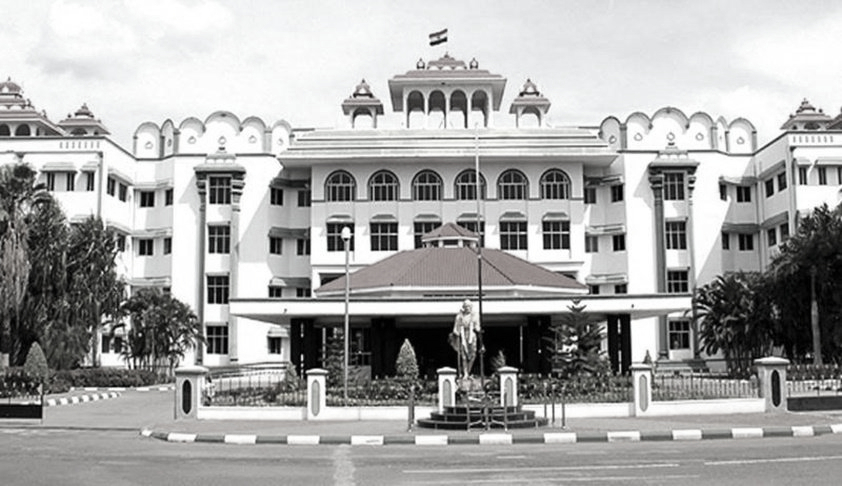
Temple lamp order sparks row as opposition seeks impeachment of Madras HC Judge
The controversy over the Madras High Court order directing the lighting of a traditional lamp at the Arulmighu Subramania Swamy Temple near Madurai has escalated into a major political and judicial row, with former judges strongly criticising the Opposition’s move to seek the impeachment of Justice G R Swaminathan.
The case pertains to the centuries-old Subramania Swamy Temple located on the Thirupparankundram hill in Madurai district, a site that also houses a dargah, making the area religiously sensitive. A petition was filed before the Madras High Court seeking enforcement of a long-standing custom of lighting a lamp on a stone pillar known as the “Deepathoon” on the hill, which petitioners said had been discontinued in recent years.
On December 1, Justice Swaminathan held that the temple authorities were duty-bound to light the lamp at the Deepathoon, in addition to the customary lighting near the Uchi Pillaiyar Mandapam. The single-judge bench observed that the practice would not encroach upon the rights of the adjacent dargah or affect the Muslim community. When the order remained unimplemented, the judge on December 3 permitted devotees to light the lamp themselves and directed the Central Industrial Security Force (CISF) to provide protection.
The Tamil Nadu government subsequently approached the Supreme Court challenging the High Court’s order, contending that the direction could disturb communal harmony in the area.
The order triggered sharp political reactions, and on December 9, several Opposition MPs, led by the DMK, submitted a notice to Lok Sabha Speaker Om Birla seeking to move a motion for the removal of Justice Swaminathan.
Reacting to the development, former Madhya Pradesh High Court judge Justice K K Trivedi said the move appeared to be politically motivated or an attempt to pressure the judiciary. He said impeachment proceedings could only be initiated on grounds of proven misconduct or incapacity, and not because of disagreement with a judicial order, particularly when the matter is pending before the Supreme Court.
Earlier, 56 former judges of the Supreme Court and various high courts issued a statement condemning the impeachment attempt, terming it a “brazen attempt to browbeat judges” and warning that such actions undermine judicial independence and public confidence in the justice system.
The BJP also weighed in, alleging that the Opposition’s stand on the issue amounted to vote-bank politics and a “structural attack” on India’s basic cultural identity.
The episode has reignited debate over the limits of political criticism of judicial decisions and the constitutional safeguards meant to protect the independence of the judiciary.