
Telegram Founder’s Revelations Shadow Moldova’s Pro-EU Election Win
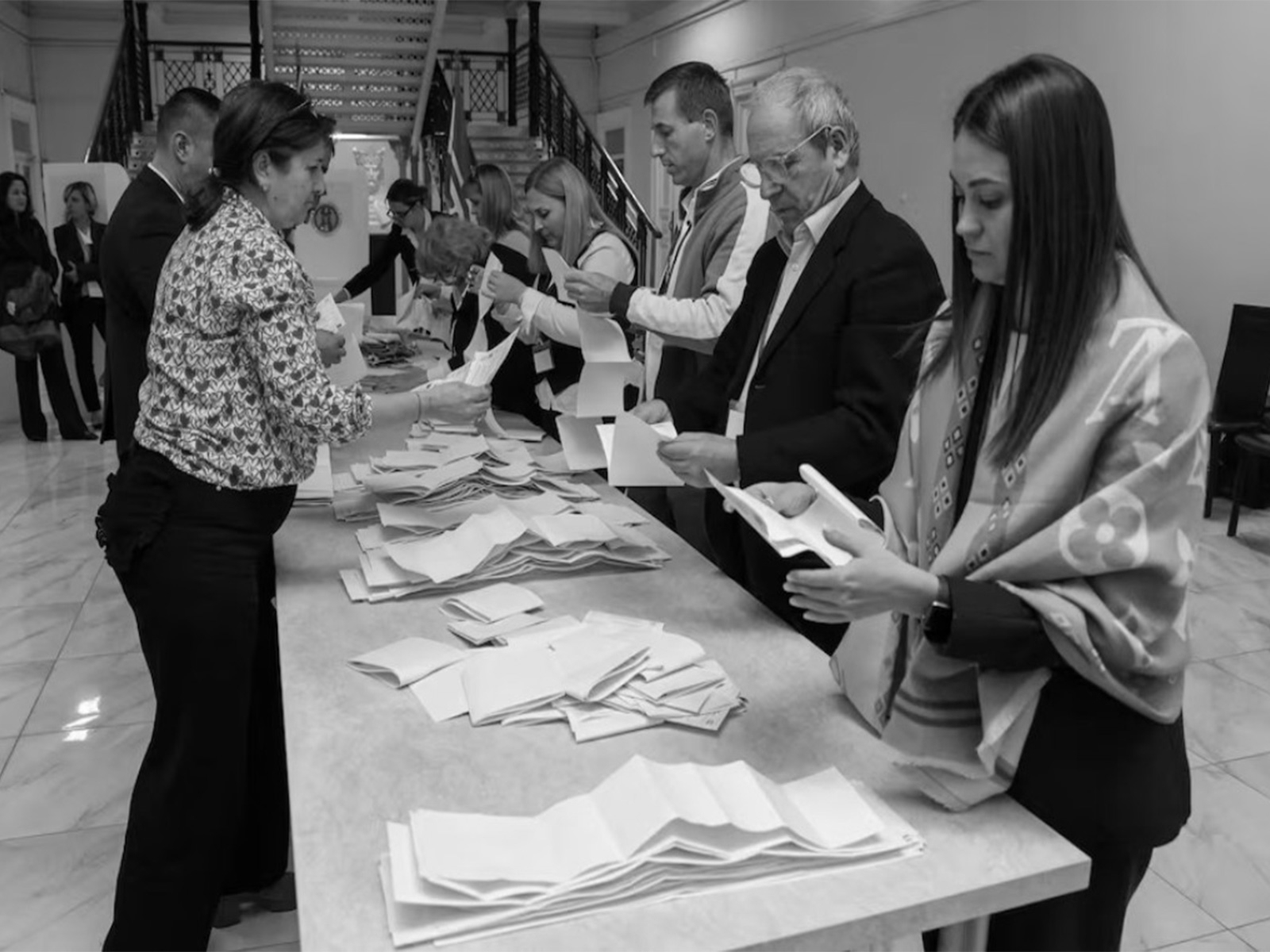
Moldova, a landlocked country in Eastern Europe wedged between Romania to the west and Ukraine to the north, east and south, has handed a clear parliamentary majority to the pro-European Party of Action and Solidarity (PAS), seen across Brussels as a huge sigh of relief given the war next door in Ukraine and fears of renewed Kremlin leverage in the region. With nearly all ballots counted, PAS won just over 50% of the vote (about 55 of 101 seats); the Moscow-leaning Patriotic Electoral Bloc led by ex-president Igor Dodon took roughly 24–25%. Turnout was about 52%, boosted by an unusually large, strongly pro-EU diaspora vote.
For the EU, the result averts a scenario in which a pro-Russia majority could have slowed or reversed Moldova’s membership track, complicated coordination with Ukraine, and reopened channels for Russian economic and political influence along the Union’s eastern flank. European leaders welcomed the verdict as consolidating Moldova’s westward course.
The campaign and vote were contentious. Two pro-Russian parties were disqualified by the Central Electoral Commission just days before polling, on allegations of illicit foreign funding—an extraordinary step that critics said narrowed the choice for opposition voters, even as authorities insisted the bans upheld the law.
On the eve of the election, Telegram founder Pavel Durov reignited controversy by posting on X about an episode from last year when he was detained in Paris. Durov claimed that French intelligence, acting through an intermediary, asked him to help the Moldovan government censor Telegram channels ahead of the previous presidential election. While Telegram did remove some channels that clearly violated its rules, Durov said a second list contained channels that were legitimate but politically inconvenient for the French and Moldovan authorities. He alleged that the intelligence services tried to link his cooperation to favorable treatment in his French court case — something he called unacceptable and an abuse of power.
Though the events he described happened in 2024, his decision to post about them just before Moldova’s parliamentary election was widely seen as deliberate. Analysts suggest he wanted to draw attention to the fact that not only Russia but also EU countries have been accused of attempting to sway Moldova’s political environment, raising uncomfortable questions about whether Western states are above suspicion when it comes to influencing smaller democracies.
Geography and identity also shape Moldova’s politics. The country’s population is majority Moldovan/Romanian (around 77% Moldovan, about 8% Romanian), with minorities including Ukrainians, Gagauz, and Russians. Voting patterns often break along these lines: urban voters and the diaspora skew pro-EU, while Gagauzia and the breakaway region of Transnistria—both with substantial Russian-speaking communities—tend to lean pro-Russia.
Both blocs threw their full weight into mobilization and influence campaigns — from relentless messaging on social media to diaspora outreach — though in the end, PAS’s majority gives the government room to push EU-required reforms, including judicial overhaul, anti-corruption drives, and economic modernization. The bigger test, however, will be whether this pro-European course delivers visible benefits at home and sustains public trust beyond the immediate relief felt in Brussels.