
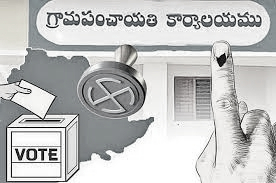
Telangana’s first-phase panchayat elections see over 1 lakh nominations
Telangana’s first-phase panchayat polls have seen an unusually high level of participation, with the nomination process concluded on November 29. In total, 25,654 nominations were filed for sarpanch posts and 82,276 for ward-member positions, bringing the overall tally to 107,930 submissions across the state. This phase covers 4,236 gram panchayats and 37,440 wards, highlighting the scale and significance of local governance in rural Telangana. Districts such as Suryapet, Vikarabad, and Mahabubabad saw particularly heavy contestation, while a few villages, including two in Rudrangi mandal, opted for unanimous selections.
Beyond political ambition, these elections have exposed deep-rooted family rivalries and local feuds. In many villages, multiple members of the same family are contesting against one another, reflecting longstanding internal disputes. Reports also indicate that in certain areas, “unanimous wins” may have been influenced by coercion or pressure, prompting the Telangana State Election Commission to issue directives to monitor such cases. These developments demonstrate that, despite the democratic framework, local power struggles and community tensions continue to shape the electoral landscape.
The nomination surge comes amid a complex policy environment. Earlier this year, the Telangana government scrapped the two-child norm, which had previously barred candidates with more than two children from contesting local body elections. Simultaneously, the promise of a 42 percent quota for Backward Classes in panchayat elections was scaled down by court orders, leaving an average of about 17 percent BC seats. This rollback sparked protests from BC organisations and opposition parties, who accused the government of reneging on pre-poll commitments. For many villagers, particularly from marginalised communities, the reduced quota has raised concerns over fair representation in local governance.
It is important to note that while the current nominations are high over 107,000 across sarpanch and ward-member positions, they do not constitute a record compared to previous cycles. In the first phase of the 2019 elections, there were around 125,630 nominations (27,940 for sarpanches and 97,690 for ward members), though that phase covered slightly more panchayats and wards. Nevertheless, the 2025 figures indicate strong interest and mobilization among rural citizens.
The first-phase nomination process in Telangana’s gram panchayat elections reflects both hope and tension. The surge in participation underscores growing interest and ambition among villagers, yet family rivalries, caste-based disputes, and policy contradictions highlight the fragile balance of grassroots democracy. As voters and candidates prepare for the polls on December 11, these elections will be a critical test of whether local governance can withstand the pressures of personal power struggles and institutional inconsistencies.