
Telangana Streamlines Fire NOC Process with New Data Centre Guidelines
The Telangana Fire Department has introduced specialised fire safety guidelines for data centres to encourage investment in the sector while ensuring the protection of critical digital infrastructure. The new framework specifies safety standards and procedures for processing applications for Provisional Fire No-Objection Certificates (NOCs), taking into account the unique risks associated with data centre operations.
The guidelines were issued through a circular dated October 28 by Vikram Singh Mann, Director General of the Telangana Fire, Disaster Response, Emergency Services and Civil Defence Department. Officials said the initiative aims to streamline application scrutiny, improve ease of doing business and ensure that data centres meet the required safety standards.
Data centres house servers, data storage systems, networking equipment and other essential technological infrastructure that require uninterrupted electricity and cooling. Their dependence on UPS systems, batteries, transformers, generators, fuel storage and extensive electrical cabling creates specialised fire hazards, making dedicated safety measures necessary.
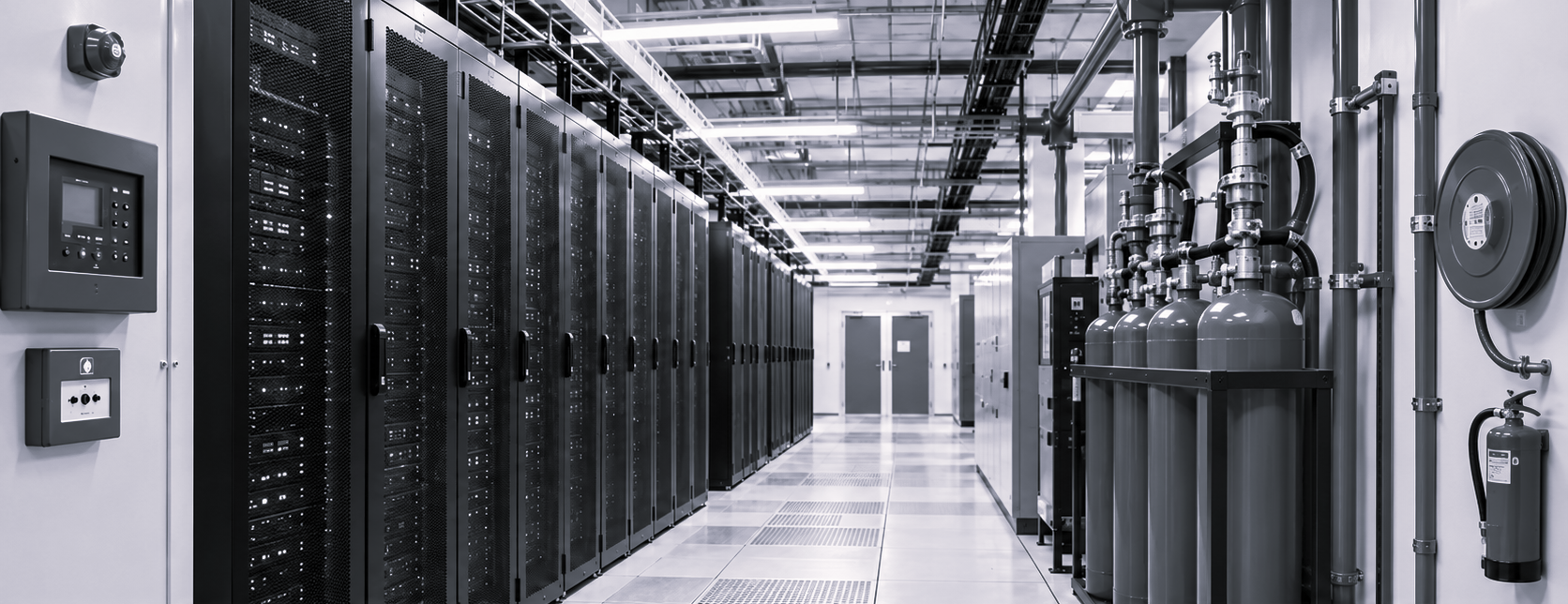
Under the new guidelines, facilities must install fire detection devices, alarm systems and appropriate fire suppression equipment. Fire-resistant partitions, accessible routes for firefighting personnel, wet risers, refuge areas and adequate water storage and pumping facilities are also required. Administrative areas must have automatic sprinkler systems, while technical sections should use water-mist or clean-agent gas suppression systems, depending on the nature of the risks and the equipment involved.
Particular attention has been given to battery rooms, UPS installations, transformers and switchgear facilities. Operators must conduct comprehensive fire risk assessments, provide adequate ventilation and fire-resistant compartmentation, and establish arrangements to shut down equipment during emergencies. Fuel storage areas and other high-risk zones must also have suitable protective measures.
The guidelines further require the integration of fire detection and suppression systems with building management and emergency response systems. Officials noted that data centres generally accommodate fewer people than conventional commercial buildings, but their specialised infrastructure demands carefully designed protection.
Operators must also ensure that cardboard boxes, packaging materials, wooden pallets and other combustible waste do not accumulate in server halls or critical operational areas. Specific provisions have been included for basement floors and the protection of essential infrastructure.
Fire safety officials scrutinising applications must verify compliance with approved designs and the circular's requirements before granting provisional clearance. The department has stated that applications submitted from November 6 onwards will be assessed under the new guidelines, establishing a dedicated safety framework for Telangana's expanding data centre sector.