
Telangana Seeks Entire Ramagundam Urea Output Ahead of Kharif, Flags El Niño Risks
With the Kharif sowing season fast approaching and concerns emerging over the possible impact of El Niño on monsoon rainfall, the Telangana government has moved to strengthen agricultural preparedness by seeking exclusive access to the urea produced at the Ramagundam Fertilizers and Chemicals Limited (RFCL) plant. The decision reflects the state's broader strategy to ensure uninterrupted fertilizer availability while preparing farmers and government agencies for weather-related challenges during the cultivation season.
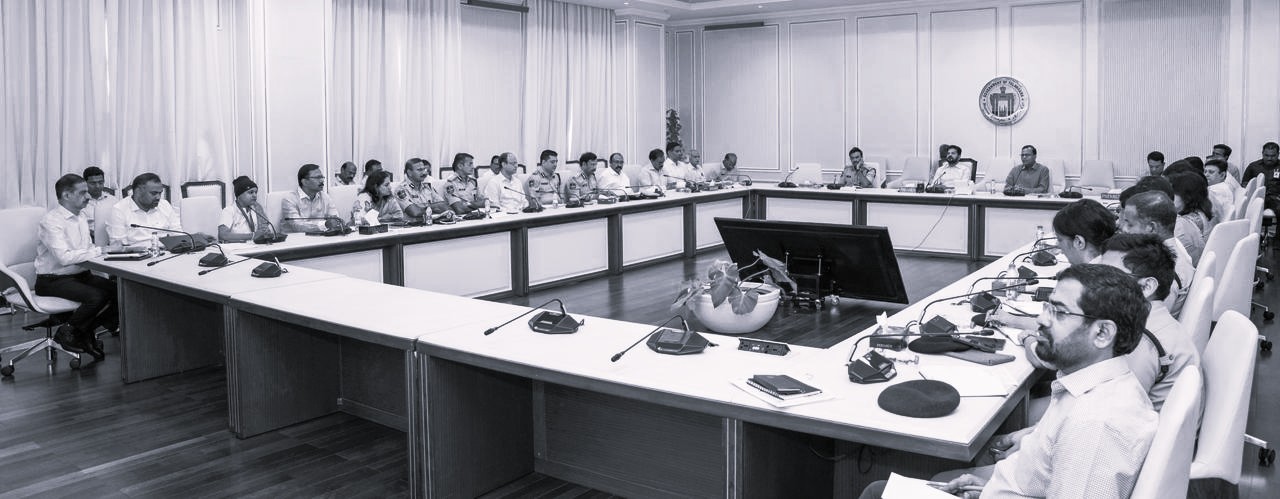
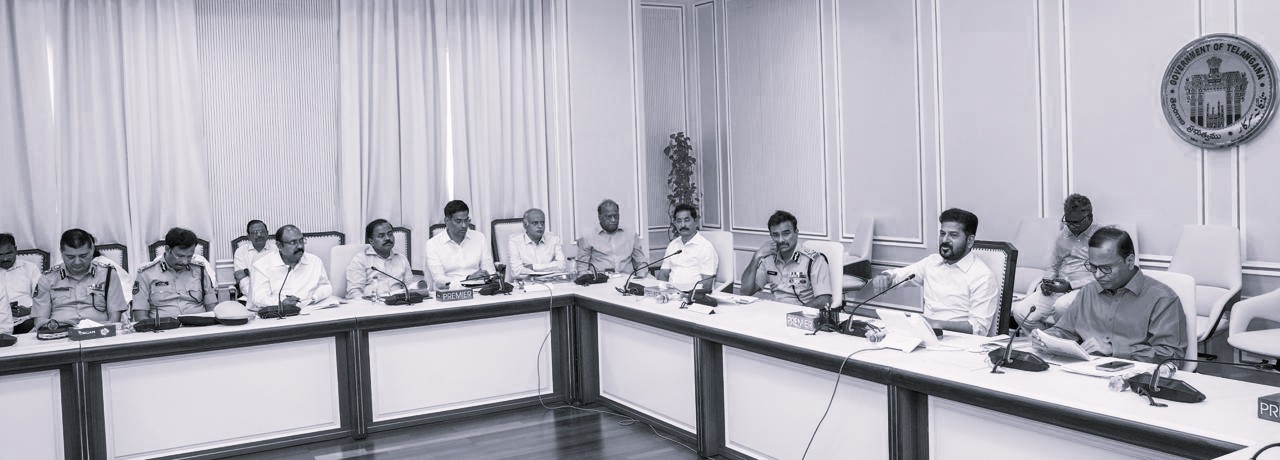
At a high-level review meeting on Kharif preparedness and disaster management held on Monday, Chief Minister A. Revanth Reddy directed officials to write to the Union government requesting that the entire urea output of the Ramagundam facility be allocated to Telangana. The Chief Minister said fertilizer produced within the state should primarily cater to the requirements of Telangana farmers, particularly during the peak agricultural season when demand rises sharply.
Located in Peddapalli district , the RFCL plant is among India's largest fertilizer manufacturing facilities. Established under the Centre's programme to revive closed fertilizer units and boost domestic production, the gas-based complex was developed at an investment of more than ₹6,300 crore . The plant has an annual production capacity of 12.7 lakh metric tonnes of neem-coated urea , making it a critical contributor to fertilizer supplies across southern and central India.
The facility is operated by a joint venture involving National Fertilizers Limited (NFL) , Engineers India Limited (EIL) , Fertilizer Corporation of India Limited (FCIL) , along with the Telangana government and other stakeholders. In recent years, the plant has consistently operated near full capacity, reinforcing its strategic importance to India's fertilizer security and efforts to reduce import dependence.
The meeting also focused on weather forecasts indicating the possible development of El Niño conditions, which are often associated with below-normal rainfall in several parts of the country. Meteorological officials briefed the Chief Minister on the likelihood of reduced precipitation and its potential impact on agricultural productivity.
In response, Revanth Reddy instructed the Agriculture Department to intensify farmer outreach programmes and promote crop diversification in vulnerable regions. Officials were asked to encourage cultivation of less water-intensive crops and provide guidance on climate-resilient farming practices. Agricultural extension staff have been directed to maintain close coordination with farmers and disseminate timely advisories throughout the season.
The Chief Minister also reviewed monsoon preparedness measures and ordered the Irrigation Department to complete maintenance and repair works at reservoirs, barrages and irrigation projects on a priority basis. Stressing the need for vigilance, he directed officials to ensure that all critical infrastructure remains fully operational before heavy rains arrive.
Reviewing disaster management arrangements, Revanth Reddy instructed authorities to utilize the ₹1,000 crore disaster relief fund transparently and efficiently. He emphasized that safeguarding lives, livestock and property remains the government's foremost priority and called on district administrations and disaster response teams to remain fully prepared for any emergency during the monsoon season.