
Telangana Ranks Second as Pulses Cultivation Rises 36%
Telangana has recorded a 36 per cent increase in pulses cultivation during the current kharif season compared with last year, placing the state second in the country in terms of growth, Agriculture Minister Thummala Nageswara Rao said.
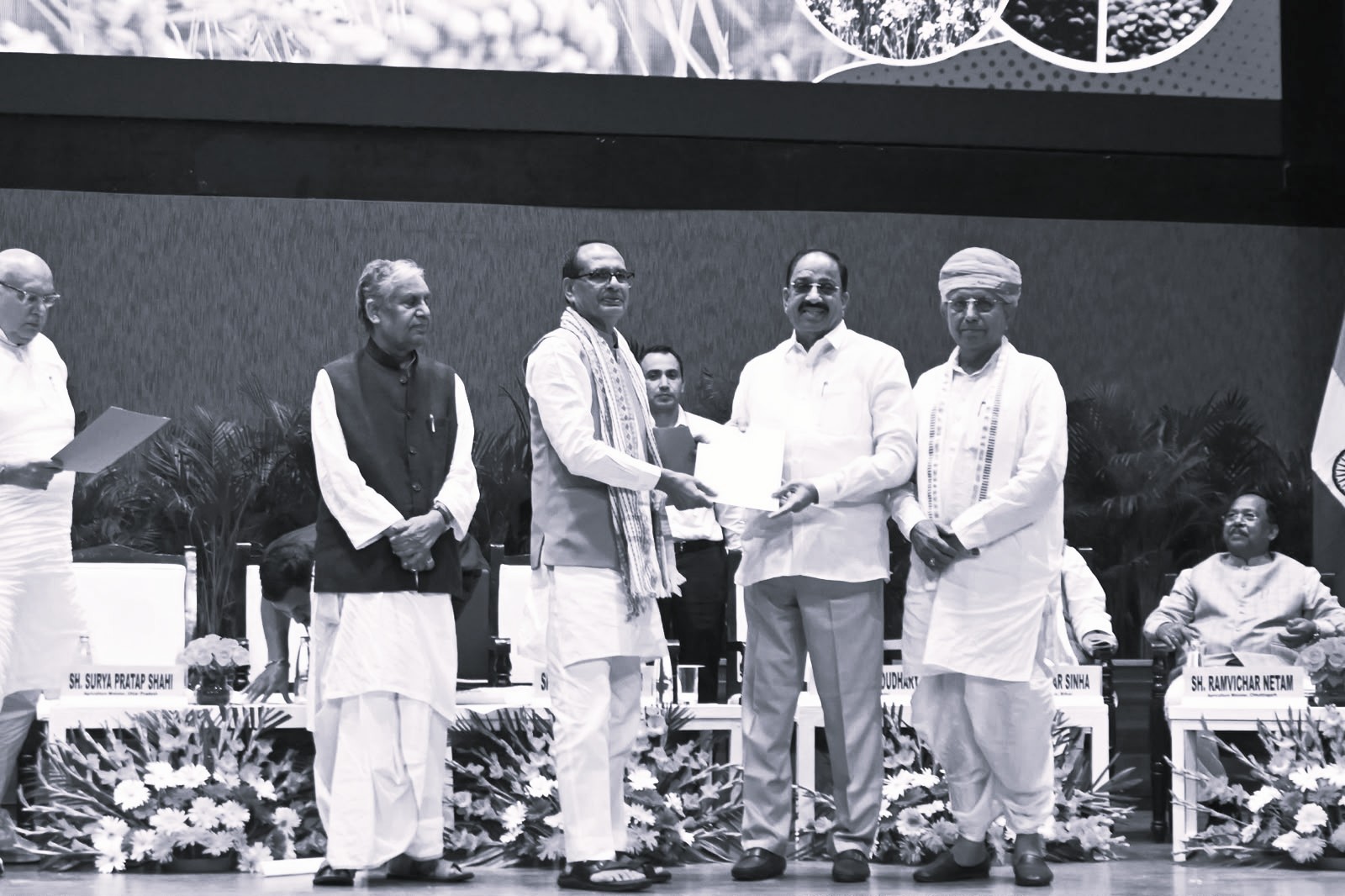
Addressing the National Rabi Conference, Thummala said the state’s focus on crop diversification was helping farmers adapt to changing weather conditions while also improving agricultural resilience. He said the government was encouraging farmers to choose crops based on rainfall patterns, water availability and prevailing climatic conditions.
The minister said the impact of El Niño, erratic rainfall and prolonged dry spells had made crop diversification increasingly important. As part of this approach, the state had promoted pulses, resulting in a significant increase in the area under cultivation. He urged the Centre to extend greater support to farmers facing weather-related risks.
With several mandals experiencing deficient or severely deficient rainfall, Thummala sought the inclusion of maize and sorghum under the Price Support Scheme (PSS). He also requested the Centre to provide assistance based on conditions at the mandal level rather than relying solely on the state’s average rainfall figures. Additional support was sought for micro-irrigation, protective irrigation and water conservation infrastructure.
On oil palm cultivation, Thummala said Telangana farmers had responded positively to efforts to expand the crop. The area under oil palm has increased by around 1.10 lakh hectares, with nearly 72,000 new farmers taking up cultivation. Since oil palm is a long-term crop, he stressed the need for stable and remunerative prices and urged the Centre to restore the 44 per cent import duty on crude palm oil.
According to the minister, Union Agriculture Minister Shivraj Singh Chouhan assured him that a special committee would examine oil palm prices and farmers’ concerns.
Thummala also sought an increase in Telangana’s soil health testing target from one lakh to two lakh samples. He said scientific testing would help farmers use fertilisers more efficiently, reduce input costs and improve productivity.
He further requested 16 additional Krishi Vigyan Kendras, noting that Telangana currently has 16 KVKs for 33 districts. The minister also sought central assistance for an Agri Business Park and a Centre of Excellence for semi-arid horticultural crops proposed in Kodangal.
He said farmers needed access to technology, credit, scientific advice, water-saving methods, extension services, infrastructure and dependable markets alongside seeds and fertilisers. Better coordination among research, agricultural education and extension systems, he added, would help deliver new technologies to farmers more effectively.