
Telangana Plans Direct Bank Transfer of Farm Equipment Subsidy Ahead of Kharif 2026
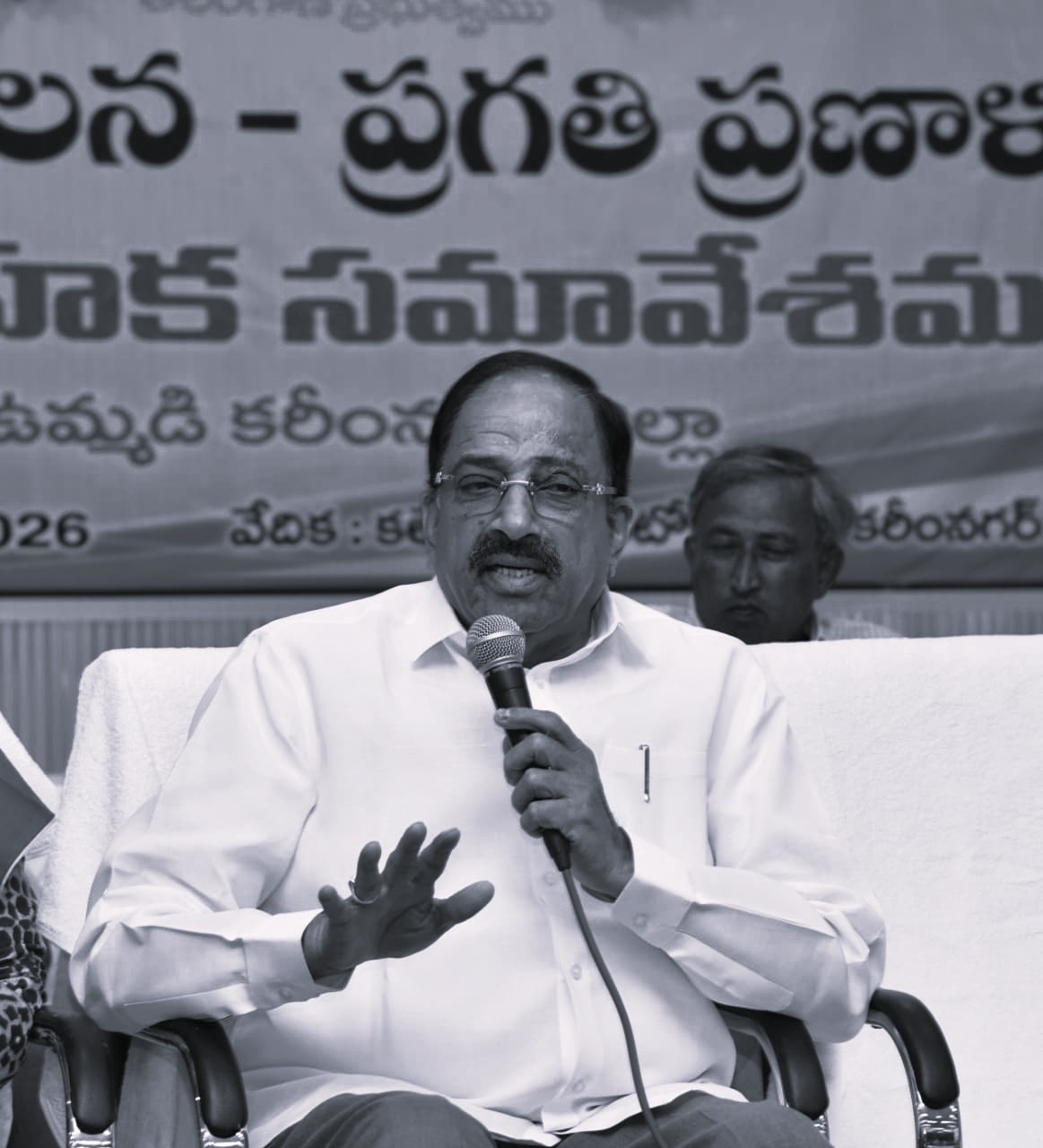
The Telangana government is considering a major reform to strengthen farm mechanisation and reduce cultivation costs by introducing Direct Benefit Transfer (DBT) for subsidies on agricultural equipment . During a high-level review meeting in Hyderabad to assess preparations for Kharif 2026 , Agriculture Minister Tummala Nageswara Rao instructed officials to examine a proposal to credit subsidy funds directly into farmers’ bank accounts from the upcoming financial year. At present, the state provides nearly 40% subsidy on farm machinery by reimbursing equipment suppliers, but the proposed shift aims to improve transparency and allow farmers greater flexibility in purchasing the equipment they require.
The minister also directed the agriculture department to ensure adequate availability of green manure seeds supplied under subsidy schemes, asking officials to complete procurement and keep stocks ready by April-end so that farmers face no shortages during the sowing season. In addition, the government is planning to strengthen farmer infrastructure by installing solar panels at Rythu Vedikas , the farmer coordination centres across the state. Officials have been asked to prepare a proposal in coordination with the Telangana State Renewable Energy Development Corporation (TGREDCO) , with a pilot installation planned at Jangareddipalli and Janampet before expanding the initiative to nearly 1,600 centres in the first phase.
Reviewing the seasonal outlook, the minister said favourable factors such as adequate reservoir levels , soil moisture and the expected normal onset of the southwest monsoon indicate a promising agricultural season. The state estimates that nearly 60.60 lakh hectares could come under cultivation during Kharif 2026. Anticipating higher fertiliser demand, the government has requested the Central government to allocate 11.50 lakh metric tonnes of urea while directing officials to ensure advance procurement, storage and smooth distribution of fertilisers across districts so farmers receive inputs without disruption.