
Telangana HRC issues notice to DGP over death of accused in constable murder case
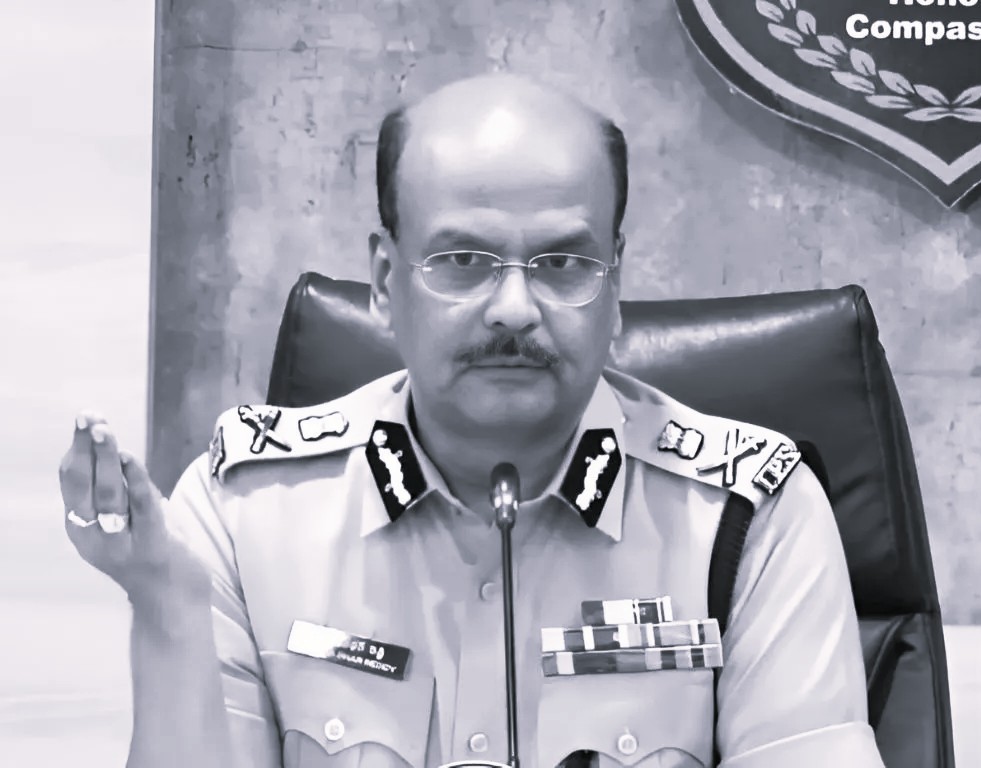
The Telangana State Human Rights Commission (TSHRC) has issued a notice to Director General of Police B. Shivadhar Reddy, seeking a comprehensive factual report on the death of an accused in police firing in Nizamabad district. The Commission took suo motu cognisance of media reports stating that the accused, 24-year-old Shaik Riyaz, was shot dead by police on Monday after he allegedly tried to attack them by snatching a service pistol from a policeman at the Government General Hospital in Nizamabad.
According to reports, Shaik Riyaz had earlier been arrested in connection with a vehicle theft case and was in police custody when the incident occurred. On October 17, while being escorted on a two-wheeler by constable Pramod Kumar, Riyaz allegedly attacked the officer with a knife, stabbing him in the chest. The constable, who was in his mid-40s, later succumbed to his injuries, prompting the police to launch an intensive manhunt for the accused.
After being apprehended on October 19, Riyaz was taken to the Nizamabad Government Hospital for treatment. On October 20, police said that Riyaz became violent in the hospital ward and attempted to escape by snatching a pistol from a constable. In the ensuing scuffle, he allegedly threatened to open fire at the officers, forcing the police to retaliate. An armed reserve sub-inspector opened fire, and Riyaz was shot dead on the spot.
The TSHRC, while taking serious note of the encounter, sought a detailed report from the DGP covering the sequence of events, the circumstances leading to the shooting, and whether all standard operating procedures were followed during the incident. The Commission has also asked for copies of the FIR, post-mortem report, and the status of any magisterial or judicial inquiry initiated. The report is to be submitted by November 24.
Human rights groups, including the Human Rights Forum (HRF), have demanded a judicial inquiry into the incident, alleging that the killing might have been a “fake encounter.” They urged the state government to suspend the officers involved and initiate criminal proceedings if any procedural violations are found. The TSHRC has also reminded the authorities of their obligation to comply with Supreme Court guidelines and National Human Rights Commission (NHRC) protocols laid down in the People’s Union for Civil Liberties vs. State of Maharashtra (2014) case, which mandates independent investigation and accountability in encounter deaths.
The case has sparked debate over custodial safety and the use of force by police personnel in Telangana. While the police maintain that the firing was in self-defence and necessary to prevent further attacks, rights activists argue that the state has a responsibility to ensure the safety of individuals under its custody, regardless of the crimes they are accused of. The dual tragedy of a constable losing his life in the line of duty and the accused dying while in police custody has brought renewed attention to the need for balancing law enforcement authority with human rights protections.
The TSHRC’s intervention underscores growing concern over custodial deaths and alleged “encounters” in the state. It also calls for stricter adherence to established procedures in prisoner transport, hospital security, and incident reporting. The outcome of the inquiry is expected to determine whether the police acted within the boundaries of the law or if there were lapses that violated the fundamental right to life under Article 21 of the Constitution.