
Tea Board, ISRO and NIT Rourkela Join Hands to Build AI-Powered Tea Monitoring System
India is taking a major step towards bringing artificial intelligence, satellite remote sensing and drone technology into tea cultivation, with the Tea Board of India joining hands with the National Remote Sensing Centre (NRSC) of ISRO and NIT Rourkela to develop an advanced system for monitoring tea plantations across the country.
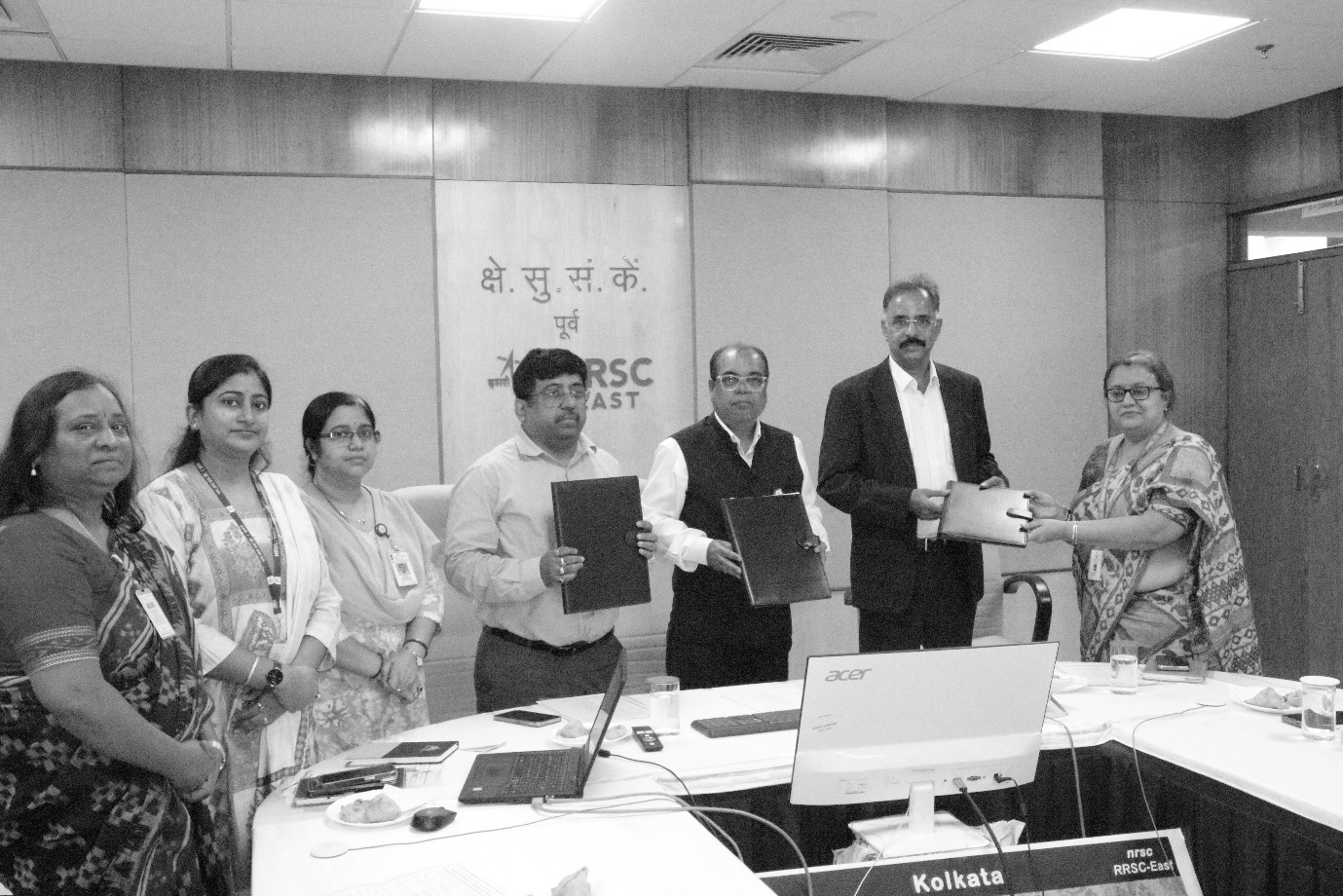
The three institutions signed a tripartite Memorandum of Understanding (MoU) on August 27, 2026, for a research and development project titled “CHAAYANKAN – Comprehensive AI-based Geospatial Data Analytics for Tea Plantation Monitoring.” The project will run from April 2026 to March 2029 and cover major tea-growing regions across India.
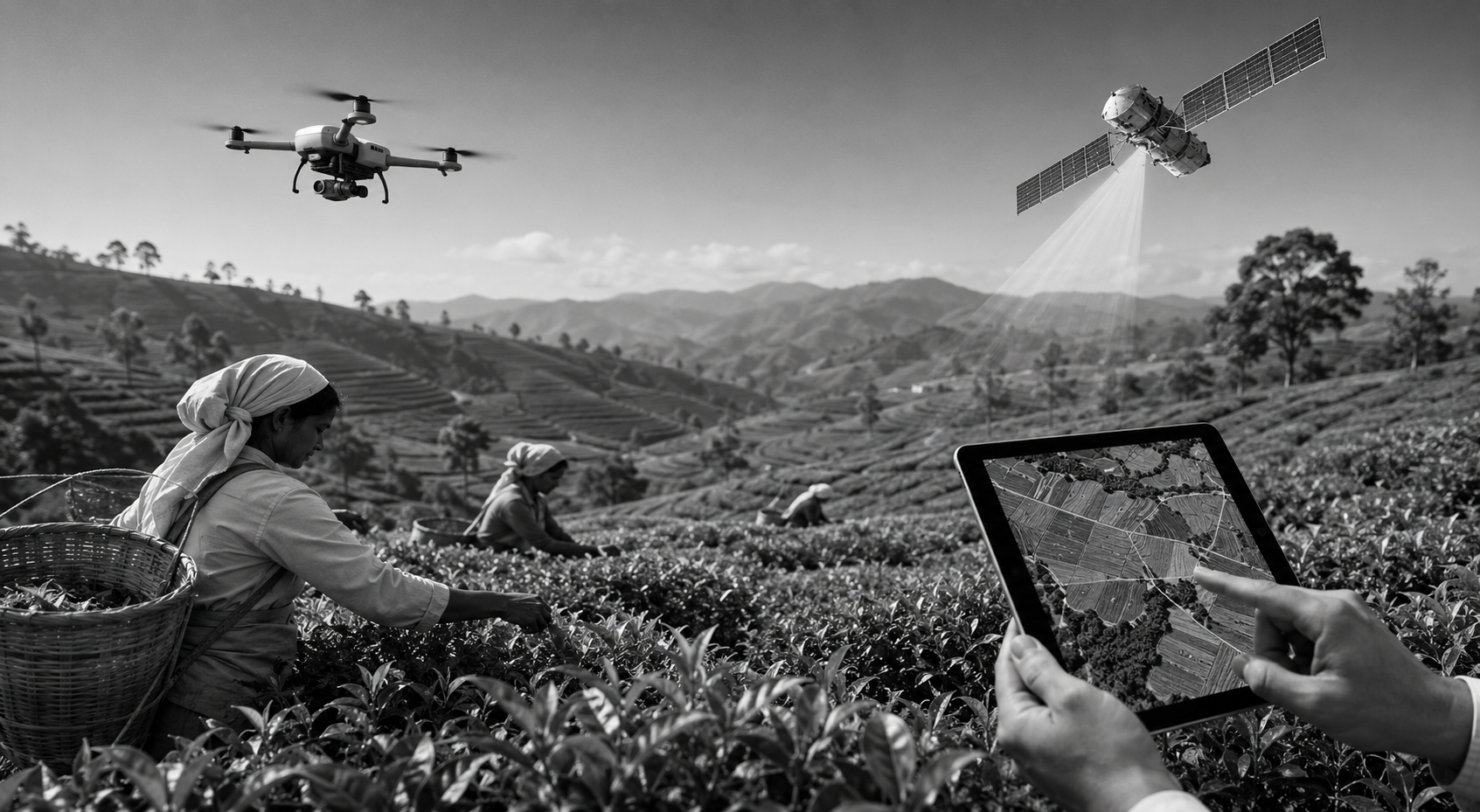
The initiative will combine hyperspectral and optical satellite data, UAV imagery, ground observations, weather inputs and entomological data to develop AI and machine-learning solutions for tea plantation monitoring. The system will focus on automatically mapping tea-growing areas, identifying biotic and abiotic crop stress, forecasting major pests and diseases, and estimating green-leaf yield through satellite- and UAV-based hyperspectral indices.
The project comes as India's tea industry faces growing challenges from pests, diseases and unpredictable weather. The Tea Board's Plant Protection Code estimates that pests, diseases and weeds cause 15–30% crop losses across the industry. It also promotes Integrated Pest Management (IPM) and targeted interventions over blanket pesticide spraying.
India remains the world's second-largest tea producer. The country recorded a record 1,382.74 million kg of tea production in FY 2025-26, while exports reached an all-time high of 282.11 million kg, earning ₹8,718.83 crore. In 2024, India accounted for 18.43% of global tea production and 13.13% of global tea exports.
The sector's scale is substantial, with 1,567 tea estates and 2,49,318 small tea growers covering more than 6.35 lakh hectares as of March 2025. Assam alone produced 687.76 million kg, or 50.20% of India's tea output in 2025, followed by West Bengal at 411.18 million kg.
The partnership brings together complementary expertise: ISRO's NRSC in remote sensing, NIT Rourkela in AI and machine learning, and the Tea Board in field-level tea-sector knowledge and data.
The project is also expected to create a data repository supporting future research and policy decisions. If successfully validated and scaled, CHAAYANKAN could enable earlier pest warnings, better crop-stress detection and more accurate yield estimates, moving Indian tea cultivation towards data-driven and climate-resilient plantation management.