
Tata Motors projects 5% FY growth, says festive momentum to drive double-digit H2
India’s passenger vehicle market is set to grow by around 5 percent this fiscal, with a strong second-half performance expected from October to March, according to Tata Motors Passenger Vehicles MD and CEO Shailesh Chandra. After a subdued start to the year, when the industry reported a 1.6 percent decline in April-September, festival-season demand has lifted the market back into positive territory. Sales rose 5 percent in September and 17 percent in October, and this momentum is likely to continue into November and December, driven by pent-up demand and improved affordability. With these trends, Chandra expects the full-year growth to “settle around 5 percent.”
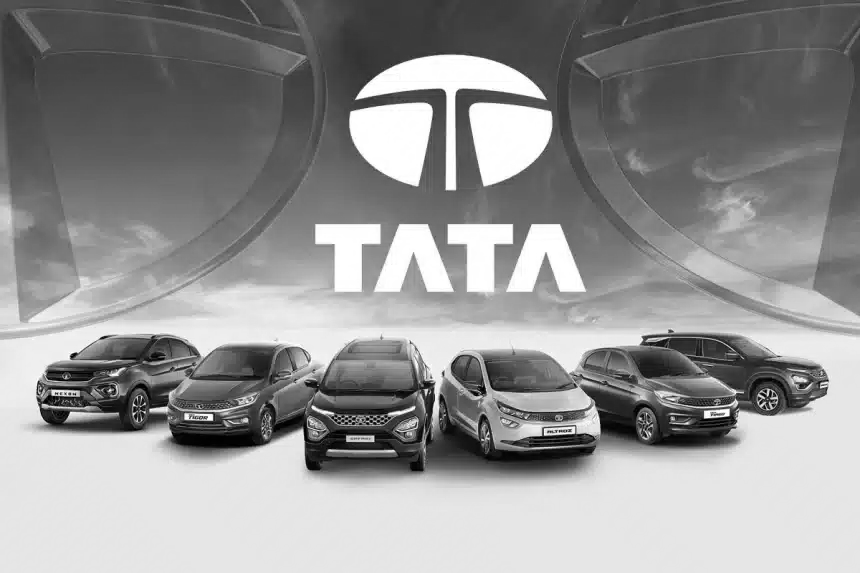
Tata Motors plans to leverage this rebound through new launches, stronger marketing activity, and a lean inventory strategy for the third quarter. One of its biggest volume drivers will be the new Sierra, which the company expects to significantly strengthen both its portfolio and profitability. New petrol variants of the Harrier and Safari will help expand the brand’s presence in several key markets, particularly among buyers who previously preferred petrol SUVs. In the EV space, the company plans to introduce models faster than in its ICE lineup, supported by an expanded charging network and efforts to make electric mobility more mainstream.
As of Q4 FY25, Tata Motors sold 556,263 passenger vehicles, including 64,276 electric vehicles. During the same period, its VAHAN registration share stood at 13.2%, indicating a strong position in the Indian passenger vehicle market. In March 2025 alone, Tata recorded 48,462 PV registrations, giving it a 13.82% market share for that month and helping it move to the second spot among Indian carmakers.
A major factor boosting the overall market this year is the rollout of GST 2.0, which has reduced and simplified tax rates across several vehicle categories. Under the new structure, small cars, earlier taxed at 28 percent, now fall under a lower 18 percent slab, making many models 8-10 percent cheaper on-road. Auto components have also been moved to a uniform 18 percent category, reducing supply-chain complexity and benefiting manufacturers. Even larger vehicles, which now attract 40 percent GST, no longer carry the additional compensation cess, easing the total tax burden. These reductions have translated into lower prices across brands, encouraging first-time buyers and pushing more customers toward the entry- and mid-level segments. The combination of GST cuts + festive demand has led to one of the strongest registration numbers in recent months across the industry.
However, whether this surge can sustain beyond the next few months remains uncertain. The festive-driven spike and ongoing pent-up demand will only last for a limited period. While new launches and lower GST have widened the buyer base, factors such as high interest rates, rising fuel and insurance costs, and lingering supply-chain issues could affect demand as the year progresses. There is also a concern that lower GST on ICE vehicles may narrow the price gap with EVs, slowing the pace of electric adoption. The entry-level segment, traditionally the backbone of mass-market sales, continues to show signs of slow recovery, which could limit long-term growth if not a ddressed.
Global uncertainties add to the list of risks. A rise in commodity prices, delays in component supplies, or broader economic slowdowns could push up manufacturing costs and impact pricing. Although GST 2.0 has provided an immediate boost, analysts warn that the demand jump may also reflect advance purchasing, meaning some consumers who would have bought in 2026 have moved their purchases forward.
For now, the second half of the fiscal looks far stronger than the first, backed by tax relief, festive momentum, new products, and a healthier retail environment. But sustaining this pace will depend on how the industry manages cost pressures, maintains EV growth, and navigates the challenges that lie beyond the post-festive period.