
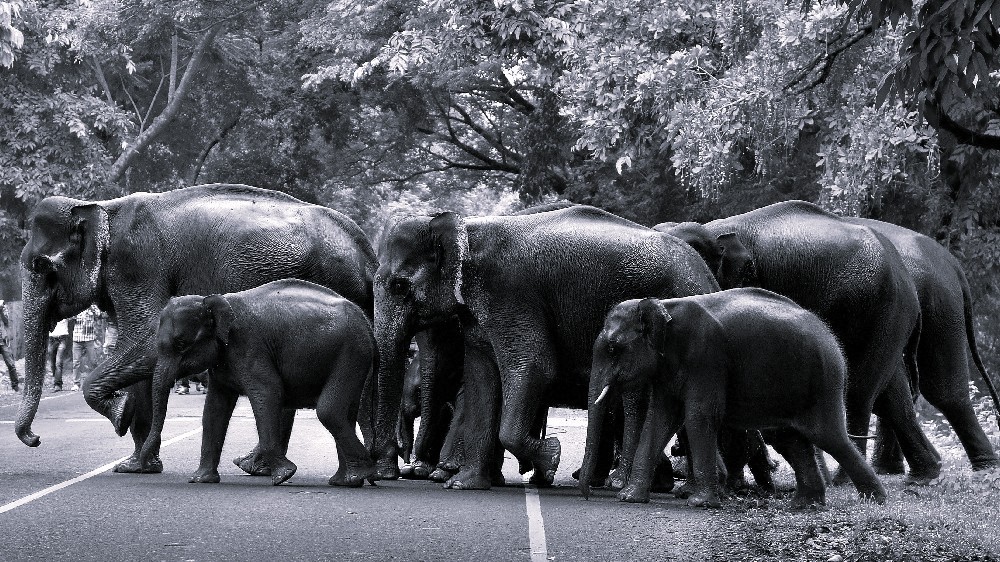
Tamil Nadu’s wild elephant population rises to 3,170, A Conservation Success Story
Tamil Nadu's wild elephant population has reached an estimated 3,170, marking an increase from the previous count of 3,063 in 2024. This upward trend underscores the state's commitment to elephant conservation and effective wildlife management strategies.
Historical context and population trends
The state's elephant population has shown a steady rise over the years. In 2023, the count was approximately 2,961, indicating a consistent growth trajectory. The 2025 estimate of 3,170 elephants reflects a 3.5% increase from the previous year, highlighting the success of ongoing conservation initiatives.
Conservation strategies and government initiatives
1. Project Elephant
Launched by the Government of India in 1992, Project Elephant aims to ensure the long-term survival of elephants in their natural habitats by protecting them, their habitats, and migration corridors. Tamil Nadu has been an active participant in this initiative, implementing various measures to safeguard its elephant population.
2. Elephant Reserves and Sanctuaries
The state has established several Elephant Reserves and Wildlife Sanctuaries to provide safe havens for elephants. Among them, the Mudumalai Tiger Reserve recorded the highest elephant density in the recent survey, followed by the Gudalur Forest Division, which is noted for its significant elephant population. The Anamalai Tiger Reserve is also home to a substantial number of elephants, while the Agasthyamalai Elephant Reserve, declared as the state’s fifth elephant reserve, further enhances protection across the Western Ghats. These reserves play a crucial role in providing elephants with undisturbed habitats, supporting natural behaviors, breeding, and overall population growth.
3. Habitat Restoration and Elephant Corridor Development
Efforts have been made to restore degraded habitats and establish wildlife corridors, such as the Sigur Plateau, which connects the Nilgiri Biosphere Reserve with the Eastern Ghats. This corridor facilitates gene flow and seasonal migration of elephants, contributing to a healthy and sustainable population.
4. Human-Elephant Conflict Mitigation
To address human-elephant conflicts, the state has implemented measures like the installation of bio-fences using palmyra palm trees along forest boundaries. These natural barriers help prevent elephants from entering agricultural areas, thereby reducing crop damage and human-wildlife conflicts.
India’s Elephant strength
India is home to approximately 25,000–29,000 wild elephants, distributed across several states. Karnataka leads with around 6,395 elephants, followed by Assam (5,828), Kerala (3,054), Tamil Nadu (3,170), and Odisha (1,976). Other states with notable populations include Uttarakhand (1,839), Meghalaya (1,754), Arunachal Pradesh (1,614), and Jharkhand (679), while smaller populations are found in states like Maharashtra, Andhra Pradesh, Bihar, and Madhya Pradesh.
To ensure safe movement, India has identified over 150 elephant corridors, connecting forests and reserves. Key corridors include the Nilgiri Elephant Corridor linking Tamil Nadu, Kerala, and Karnataka, corridors in Assam connecting Kaziranga with neighboring forests, and passages in Jharkhand and Odisha facilitating seasonal migrations. India also has 33 Elephant Reserves, including Mudumalai, Anamalai, Wayanad, Nilgiri, Mayurbhanj, and Mysore Elephant Reserves, which serve as safe havens for breeding and migration. These combined efforts have contributed to stabilizing and gradually increasing elephant populations across the country.
Community engagement and support
Recognizing the vital role of mahouts (elephant caretakers), Tamil Nadu has inaugurated Mahout Villages in reserves like Mudumalai and Anamalai. These villages provide housing and facilities for mahouts and their families, ensuring their well-being and fostering a deeper connection between the community and conservation efforts.
The consistent increase in Tamil Nadu's elephant population reflects the effectiveness of integrated conservation strategies, including habitat protection, community involvement, and conflict mitigation. Continued commitment to these efforts will be essential in ensuring the long-term survival and prosperity of the state's wild elephant population.