
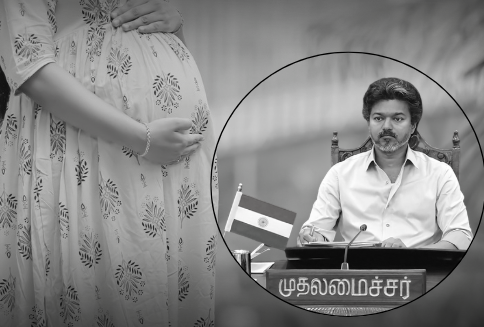
Tamil Nadu Restores 365-Day Maternity Leave For Third Child After Legal Tussle
Tamil Nadu has announced a major expansion of maternity benefits for women government employees, restoring 365 days of maternity leave for a third child after a months-long legal and policy tussle over how third pregnancies should be treated.
Human Resources Management Minister D Sarathkumar told the Assembly on August 18 that the leave available for a third childbirth would be enhanced from 12 weeks to one year, citing the state's commitment to women's welfare and empowerment. A detailed Government Order is expected to formally implement the decision.
The move effectively reverses a rule introduced in March 2026, when Tamil Nadu capped maternity leave at 12 weeks for women government employees with two or more surviving children. The change followed the Supreme Court's May 2025 judgment in K Umadevi v Government of Tamil Nadu, which triggered amendments to the state's service rules.
The issue subsequently reached the Madras High Court. In April 2026, the court held in one case that maternity benefits could not be curtailed merely because the pregnancy involved a third child, stressing that the physical and post-delivery needs of a woman do not diminish with successive pregnancies. However, subsequent rulings in June and July upheld the 12-week limit under the amended rules, creating a significant legal tension that the latest government announcement now seeks to resolve.
Tamil Nadu's maternity-leave policy has evolved substantially over the past 15 years, with leave rising from 90 days to six months in 2011, nine months in 2016 and 365 days in 2021 for women meeting the prevailing eligibility criteria.
The latest decision also comes against a changing demographic backdrop. Health Minister K G Arunraj said earlier this month that Tamil Nadu's fertility rate had fallen below 1.4, well below the replacement level of 2.1, while around 16% of its population is aged above 60.
With Andhra Pradesh also considering incentives for third and subsequent children, Tamil Nadu's decision could signal a wider shift in southern India—from population control towards supporting families amid falling fertility and ageing populations.