
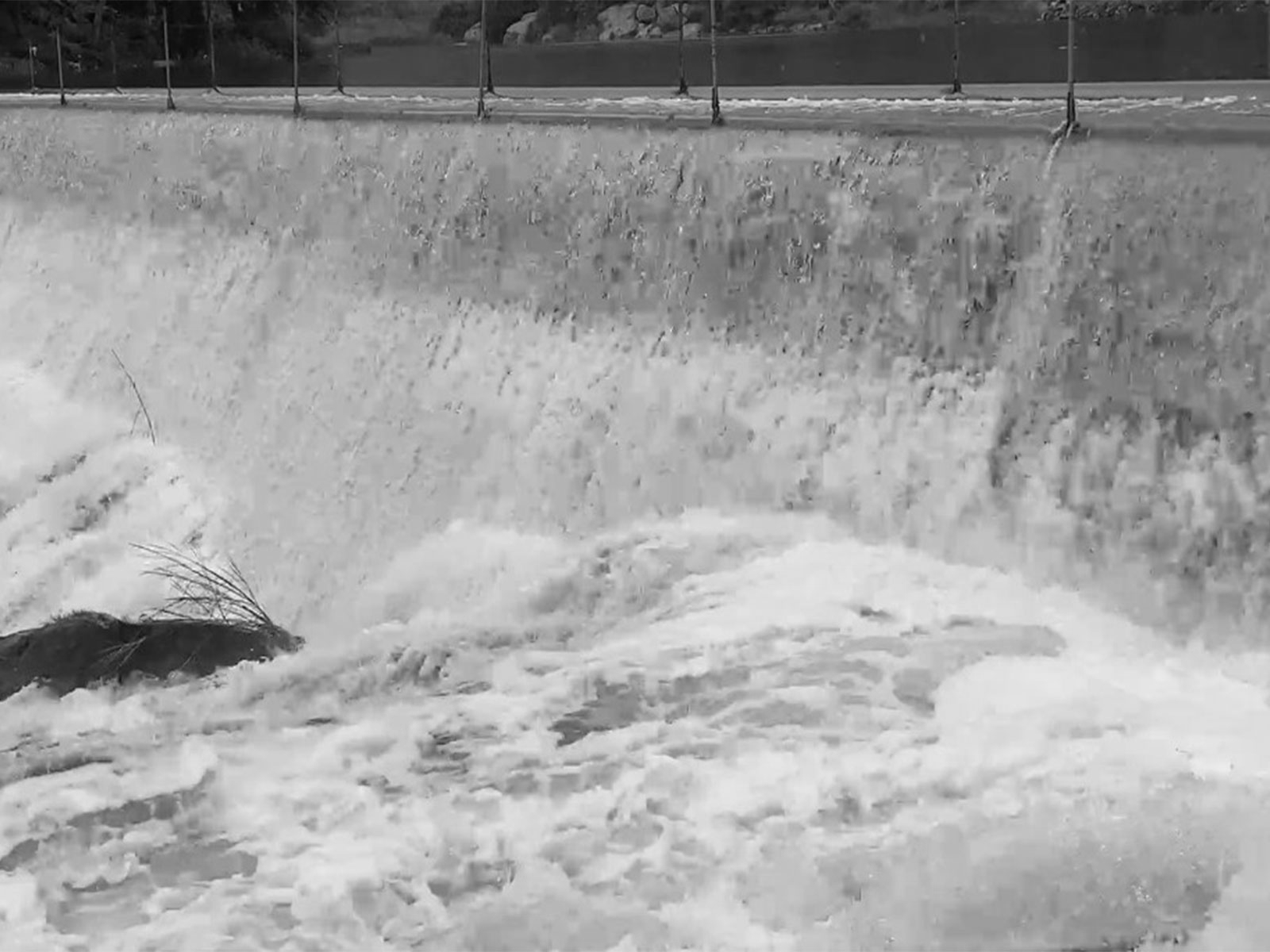
Tamil Nadu on alert as Palar River swells amid heavy rainfall
The Tamil Nadu Water Resources Department on Tuesday directed the Kanchipuram District Collector to issue a flood warning to residents living along the banks of the Palar River, following the release of 10,626 cubic feet per second (cusecs) of surplus water from the Palar dam a day earlier. The warning covers villages falling under the Kanchipuram, Walajabad, and Uthiramerur taluks of the district.
Several parts of Tamil Nadu, including Tiruvallur, Chennai, Kanchipuram, Chengalpattu, and the Delta districts—Thanjavur, Tiruvarur, Nagapattinam, and Mayiladuthurai—have been experiencing heavy rainfall over the past few days. According to the Regional Meteorological Centre (RMC) in Chennai, orange and yellow alerts have been issued for multiple districts for the next four days as weather systems over the Bay of Bengal and the Arabian Sea continue to feed moisture into the region.
On Sunday, Chief Minister M.K. Stalin inspected the Adyar River in Chennai to review precautionary measures taken in light of the persistent heavy rainfall. He also chaired a video conference with officials from rain-affected districts to assess preparedness. The Chief Minister instructed that immediate action be taken on complaints received from the public, and directed officials to ensure that rice procurement operations continue without disruption despite adverse weather conditions.
In response to the ongoing weather situation, the Tamil Nadu State Disaster Management Authority (TNSDMA) has intensified its efforts to strengthen early warning systems and community preparedness programmes. The state has been upgrading its Multi-Hazard Early Warning Centre, expanding networks of automatic rain gauges, and deploying new weather radars to improve data accuracy. The government has also developed the TN-Alert mobile application to provide real-time updates on weather conditions, reservoir levels, and flood alerts.
District administrations have been directed to keep emergency control rooms operational round the clock to coordinate response measures and issue timely warnings. Community-based disaster preparedness initiatives are being reinforced through awareness campaigns, training of local volunteers, and the establishment of rapid response teams in vulnerable areas.
With continued rainfall and rising water levels in rivers and reservoirs, the state government has urged residents in low-lying and riverbank regions to remain vigilant and adhere strictly to safety advisories issued by local authorities.