
Taiwan on guard as Beijing blurs lines between culture and control
The Taiwanese government has raised fresh concerns over what it says are covert efforts by Beijing to erode Taiwan’s independence and promote a homogeneous cross-Strait identity.
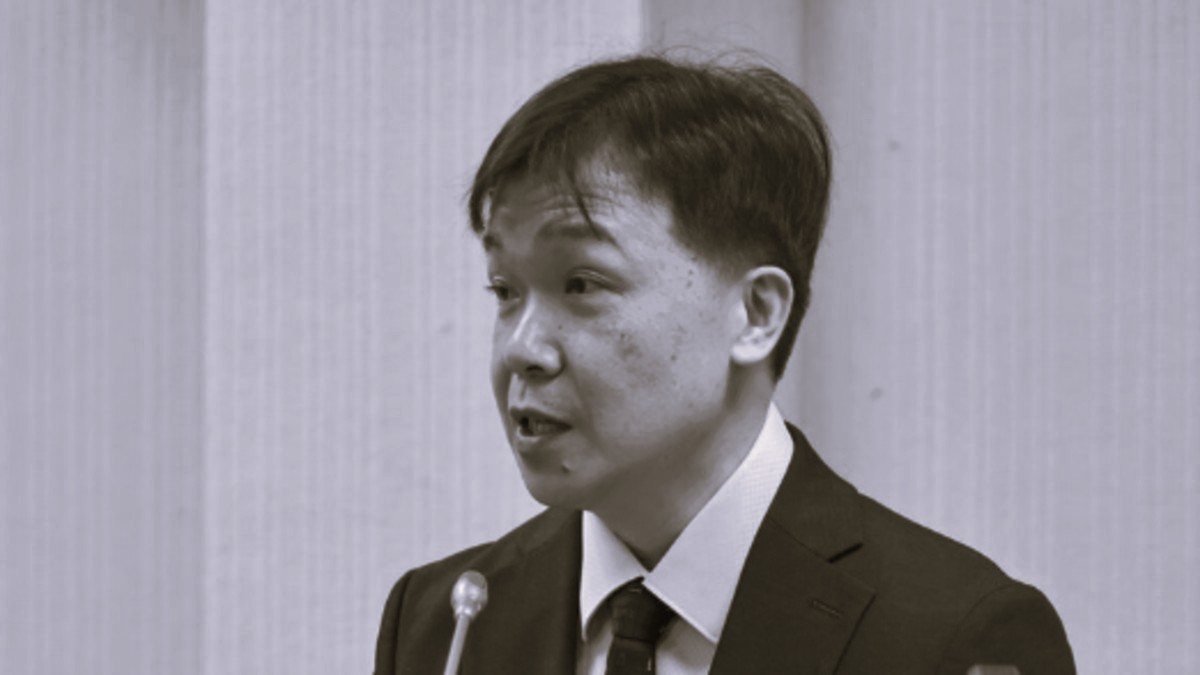
At a hearing of the legislature’s Foreign Affairs and National Defense Committee, Mainland Affairs Council (MAC) Deputy Minister Shen Yu‑chung said that more than 16,000 Taiwanese citizens participated last year in matchmaking events organised by religious groups in China - many of them held in Fujian Province, a region long viewed by Taipei as a centre of the Chinese Communist Party’s unified-front efforts.
Shen told lawmakers that, although Taiwan welcomes legitimate religious and cultural exchanges, evidence suggests that Beijing has embedded political motives into such interactions. He said Chinese temples have been instructed to present the goddess Matsu as a “Chinese goddess”, and that many of the tour packages linked to these events include pro-Beijing narratives.
According to Shen, the goal of these efforts is two-fold: to draw younger Taiwanese into social and religious networks that cross the Taiwan Strait, and to foster a sense of shared cultural identity that undermines Taiwan’s sovereignty. In his words: “The Chinese Communist Party is using religious celebrations and matchmaking platforms … to subtly push a shared cultural identity that undermines Taiwan’s sovereignty.”
The matter goes to the heart of Taiwan’s independence. Taipei views these kinds of social and religious ties as part of a broader push by Beijing to normalise an identity where “we are one people” - thereby weakening the sense of a separate Taiwanese national identity. A recent think-tank brief summarises one of the five key “united front” threats Beijing is believed to pose: “threats to obscure the national identity of the Taiwanese” through infiltration of society via cultural and social exchange.
In addition to the religious-matchmaking claim, Shen said that the MAC along with the National Security Bureau are monitoring a rise in fake news and social-media misinformation following the recent summit between Donald Trump and Xi Jinping. He asserted that Beijing is using pro-China scholars and think-tanks based in the U.S. to spread narratives intended to undermine confidence in Washington’s commitment to Taiwan’s defence.
Reaction from the Chinese side So far, there has been no public official Chinese government response specifically addressing the allegation that religious matchmaking events in China are used for infiltration. Reuters reports noted that the Taiwan Affairs Office did not immediately respond to enquiries over related concerns. However, in past cases the Taiwan Affairs Office has criticised Taiwanese authorities for “impeding cross-Strait exchanges without legitimate reason” when Taiwan moved to scrutinise religious visitors from China.
What happens next The MAC says it will step up monitoring of religious and social exchange programmes with China, especially those involving young Taiwanese and matchmaking or tour groups, and will work with local governments to prevent their use for political assimilation. At the same time, Taiwanese authorities are promoting media literacy and warning citizens to be alert to purported fake news and influence operations.
The government’s key message: cultural and religious exchanges are acceptable - but they must not serve as a cover for undermining Taiwan’s autonomy, identity or democratic resilience.