
Tackling mosquito menace the sustainable way
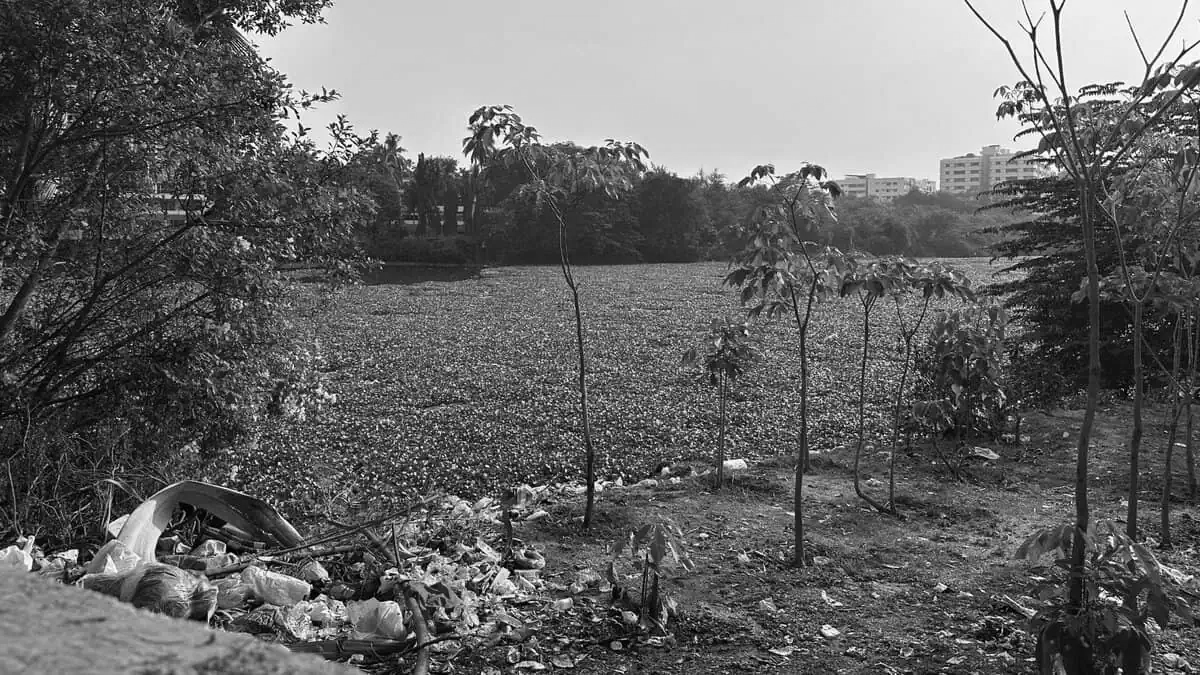
The Telangana Government has emphasized that lasting control of mosquitoes can be achieved through lake rejuvenation rather than temporary measures like fogging or chemical spraying. Urban lakes in Hyderabad and surrounding areas have become breeding grounds for mosquitoes due to stagnant sewage, waste accumulation, and the unchecked growth of water hyacinth, contributing to the spread of vector-borne diseases such as dengue and malaria.
Experts recommend removing water hyacinth, halting sewage discharge, and restoring natural water flow and biodiversity to tackle the problem effectively. Reviving lakes not only reduces mosquito breeding but also enhances groundwater recharge, biodiversity, and urban cleanliness.
In addition to restoring lakes, Telangana has also introduced several policies and programs to manage urban water effectively. Initiatives like Mission Kakatiya and efforts by HYDRAA focus on cleaning and rejuvenating lakes, improving drainage systems, and ensuring proper sewage treatment. These programs aim to prevent water stagnation, reduce pollution, and make water bodies safe and sustainable for the long term. While these efforts have shown positive results, challenges like encroachments, waste disposal, and infrastructure gaps still need attention.
Alongside ecological measures, public health actions are equally important to protect residents. Regular monitoring of mosquito-borne diseases, targeted use of larvicides, public awareness campaigns, and proper healthcare preparedness can help reduce the risk of outbreaks. Encouraging citizens to keep their surroundings clean, eliminate stagnant water in homes, and use protective measures like mosquito nets further strengthens the fight against dengue, malaria, and other vector-borne diseases. Together, ecological restoration and health measures can ensure a safer and healthier Telangana.