
Syria’s Secret Nuclear Past: IAEA Finds ‘A Few Tons’ Of Material, Damascus Wants To Keep It
The UN nuclear watchdog has found several tons of nuclear material in Syria, opening a new investigation into the country’s secret nuclear activities under former President Bashar al Assad. The discovery comes after Syria’s new government gave inspectors access to sites that had not previously been declared.
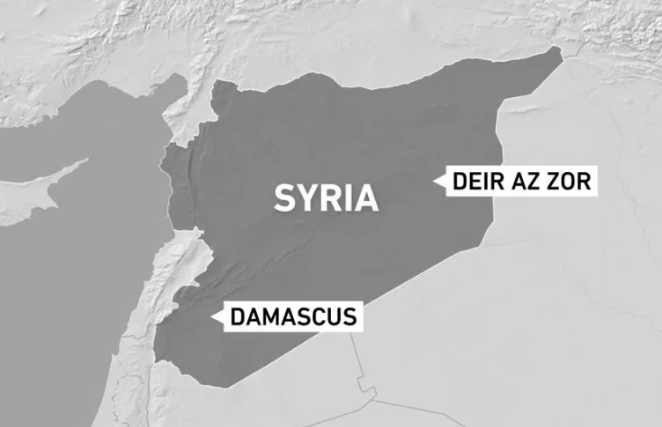
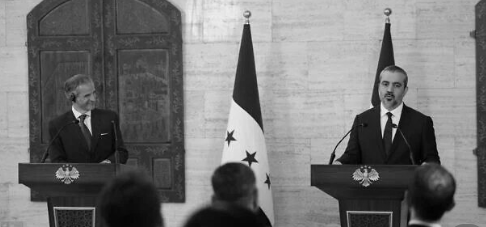
International Atomic Energy Agency (IAEA) chief Rafael Grossi visited Syria on August 17 and 18. He inspected the Deir ez Zor site, where extensive excavation and checks are now under way. He also visited another location linked to the newly identified nuclear material. Grossi said there is a lot of work ahead to identify and account for the material and ensure it is kept safely.
Syria itself informed the IAEA about the material. Foreign Minister Asaad al Shaibani said Damascus sent a formal letter to the agency on July 17, 2026, declaring nuclear material at a site that had not previously been reported. The government then invited IAEA inspectors to verify it.
Grossi said the material could be put to bad use if not properly controlled. It will now be checked and placed under the IAEA’s international safeguards system, which allows the agency to monitor and verify nuclear material.
Shaibani said the material is not dangerous and will remain in Syrian custody. He said Syria has the right to use nuclear material for peaceful purposes, including civilian nuclear development, while keeping it under IAEA oversight.
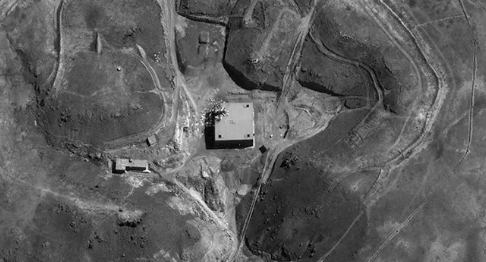
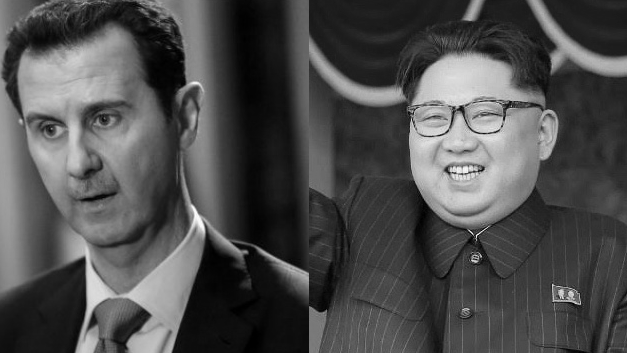
The findings revive questions about Syria’s nuclear programme under Assad. In 2007, Israel destroyed a suspected reactor at Deir ez Zor in an airstrike. The IAEA later found uranium traces and said the facility had characteristics consistent with an undeclared nuclear reactor. The agency said in 2011 that information available to it indicated the reactor had been built with North Korean assistance.
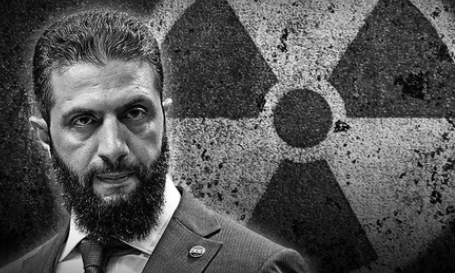
Syria denied having a secret nuclear weapons programme and never fully answered the IAEA’s questions under Assad. After Assad was removed from power in December 2024, the new government led by President Ahmed al Sharaa took a different approach and pledged cooperation with the agency.
The IAEA also collected samples from three locations in 2024. In 2025, it reported finding uranium particles at one site. The latest inspections could now help establish what the material is, where it came from and whether it was linked to the old nuclear programme.
For Syria, the investigation is also part of an effort to deal with the nuclear legacy of the Assad era. For the IAEA, the priority is to account for the material, verify its origin and make sure it cannot be diverted for dangerous purposes. Syria and the agency have agreed on further practical steps to complete the verification work.