
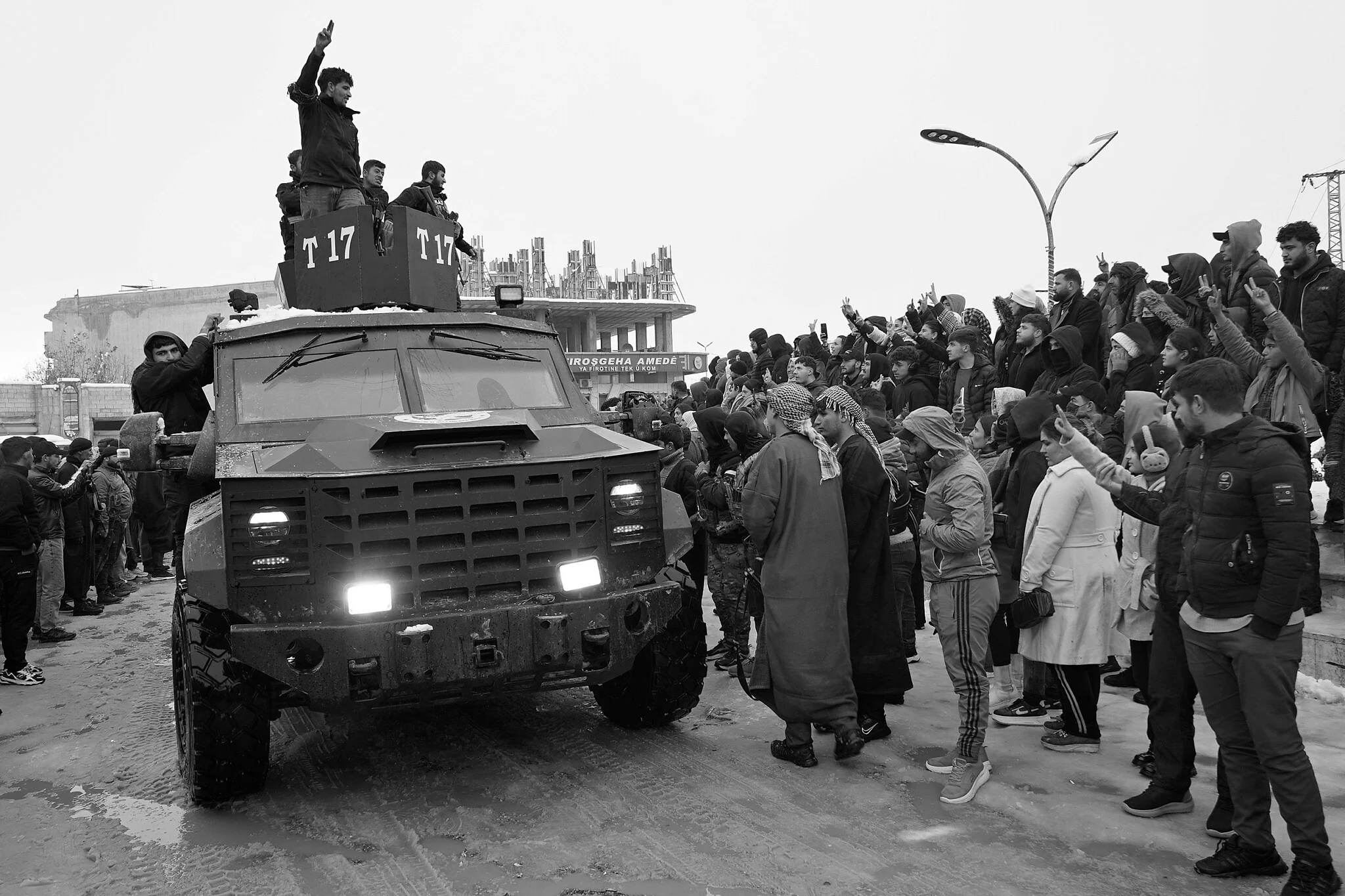
Syria’s Kurdish-led forces, Damascus govt reach historic ceasefire and integration deal
The Kurdish-led Syrian Democratic Forces (SDF) and the Damascus government have signed a new agreement to stabilise a ceasefire and begin the process of integrating their forces and institutions , marking a major step toward national reconciliation.
The deal comes after weeks of intense clashes in northeast Syria and months of stalled negotiations following a previous 2025 integration attempt that failed to gain traction. The SDF lost significant territory to government forces after fighting erupted in Aleppo on January 6.
Under the agreement, fighters from both sides will pull back from the frontlines , while Syrian Ministry of Interior security forces will be allowed into al-Hassakeh and Qamishli , areas previously off-limits. Local Kurdish police will continue patrolling, ensuring security. The integration plan includes the formation of three SDF brigades in Hassakeh province and one brigade within a Syrian army division in Aleppo. SDF members will also be integrated individually after security checks, balancing the SDF’s demand for distinct units with Damascus’s requirement for dissolution of militia structures.
The agreement guarantees civil and educational rights for Kurds , including recognition of Kurdish as a national language alongside Arabic, and the adoption of Nowruz as an official holiday . It also calls for the return of displaced persons and integration of local institutions into the Syrian state system. The future of all-female SDF units remains under discussion but is expected to be incorporated into the new brigades.
Internationally, the deal is guaranteed by the US and France , providing diplomatic backing. The SDF has also been in talks with Turkiye , which views the group as linked to the PKK . The US, which previously supported the SDF against ISIS, has shifted closer to Damascus under interim President Ahmad al-Sharaa , avoiding military intervention during the January clashes. US envoy Tom Barrack described the agreement as a “ profound and historic milestone ” for Syria’s unity, reconciliation, and enduring stability .
The agreement represents a critical step in ending years of conflict in Syria, reinforcing Kurdish rights, and laying the foundation for national rebuilding, with both local and international stakeholders playing key roles.