
Syrian government and Kurdish-led SDF fail to progress on military merger
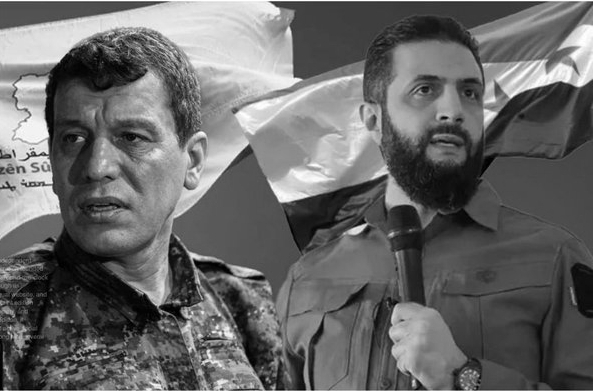
Syrian government officials and the Kurdish-led Syrian Democratic Forces (SDF) have held talks in Damascus over a landmark agreement to integrate Kurdish fighters and administration into the national army and state structures, but no tangible progress has been reported, state media said. The latest sessions, led by SDF commander Mazloum Abdi, also known as Mazloum Kobani, highlighted persistent disagreements over how the integration would occur.
The backdrop to the discussions is a historic deal signed on March 10, 2025, between interim President Ahmad al-Sharaa and Abdi. The agreement aimed to bring the Kurds fully into the Syrian state by the end of 2025 by merging the SDF’s military and civil institutions into national structures, recognizing Kurdish rights and representation, and returning control of all border crossings with Iraq and Türkiye, airports, oil fields, and prisons holding roughly 9,000 suspected Islamic State members to Damascus.
At the time, the accord was greeted with optimism across Kurdish-controlled territory. The SDF had played a central role in defeating the Islamic State and governing large swathes of northeastern Syria, establishing autonomous structures outside the reach of Damascus or opposition forces. Abdi hailed the deal as a chance to help build “ a new Syria ,” emphasizing unity among Kurds, Christians, Arabs, Assyrians, and others after 14 years of conflict. Thousands of Kurds, who had long been stateless or marginalized, hoped the agreement would finally secure their rights.
Despite this optimism , implementation has stalled. A major sticking point is whether the SDF would enter the Syrian army as a unified force or be absorbed individually. The Kurdish-led group, with tens of thousands of fighters, remains the largest force yet to be integrated. State media confirmed that the most recent talks produced no “tangible results,” though both sides agreed to continue discussions.
The stalled integration comes amid broader instability in Syria. In late December, clashes erupted in Aleppo between government forces and SDF fighters during a visit by Türkiye’s foreign minister, Hakan Fidan. Meanwhile, unrelated attacks, including rocket strikes in western Damascus, and ongoing sectarian violence have left thousands of civilians dead, fueling mistrust and Kurdish protests.
The deal carries significant regional implications. Türkiye continues to oppose a unified Kurdish force , labeling the SDF a terrorist organization due to its ties with the Kurdistan Workers’ Party (PKK). Ankara has warned that patience is “running out” and urged the SDF to respect the March accord without “twisting” its terms. The United States, which backed the SDF against the Islamic State and helped foster Kurdish autonomy through military and financial support, also remains invested, though American priorities in Syria are shifting.
For many Kurdish civilians, the path forward is cautious optimism. Some fear that delays and clashes could erode trust, while others view integration as the most practical route to long-term security amid pressure from Türkiye and reduced Western support. The stalled progress underscores the challenges of uniting a fractured Syria, yet the original agreement’s promises of recognition, representation, and peace continue to fuel hopes that a durable settlement may eventually emerge.