
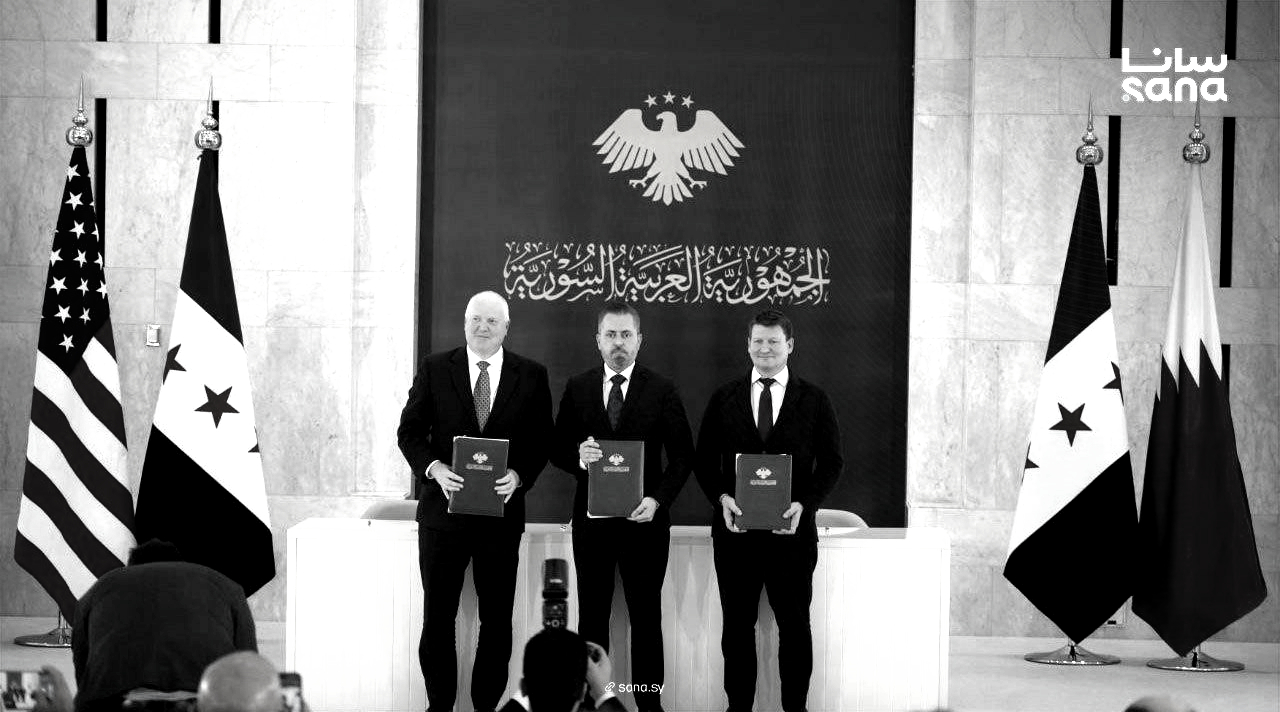
Syria Moves into Offshore Energy with Chevron–Qatar Agreement
Syria has taken its first formal step toward offshore energy exploration after the state-owned Syrian Petroleum Company (SPC) signed a memorandum of understanding with US energy major Chevron and Qatar-based Power International Holding for the development of offshore oil and gas resources in the Mediterranean, Syrian state media reported on Wednesday.
The agreement, signed in Damascus in the presence of the US Special Envoy to Syria, Tom Barrack , aims to strengthen strategic cooperation in offshore exploration, hydrocarbon development and broader investment in Syria’s energy sector, according to the state news agency SANA .
The deal comes as Syria’s new authorities seek to revive an oil and gas sector that was once a cornerstone of the economy but was badly damaged by nearly 15 years of conflict. Before the war began in 2011, Syria produced about 380,000 barrels of oil per day , with oil revenues accounting for roughly a quarter of government income.
Syria’s hydrocarbon resources, consisting mainly of crude oil and natural gas, are largely concentrated in the eastern and northeastern regions of the country. Major oil fields are located in Deir ez-Zor (eastern Syria) and Hasakah governorates (northeast), while key natural gas hubs are found around Palmyra in central Syria, roughly in the west-central part of the country. Output has since fallen sharply due to war damage, sanctions, and years of fragmented territorial control.
In recent weeks, the map of control in Syria’s energy-rich northeast has shifted significantly. According to media reports, government forces have regained control over most major oil and gas fields that had for years been held by Kurdish-led forces , following a combination of military operations and a ceasefire and integration agreement reached in late January.
Under the agreement, areas previously administered by the Autonomous Administration of North and East Syria , also known as Rojava, are transitioning toward state control. Kurdish forces are reported to retain a presence mainly in Hasakah , Qamishli and the Kobane region, where integration arrangements are under way, while government authorities have re-established control over large parts of Deir ez-Zor and Raqqa , including key oil-producing zones east of the Euphrates.
The stabilization of the northeast is seen as critical for restoring centralized management of Syria’s hydrocarbon resources and reopening pathways for foreign investment. Analysts say the ceasefire has enabled technical teams to access damaged oil and gas infrastructure and resume limited production, while reducing security risks that had long deterred international energy companies.
The offshore agreement with Chevron and the Qatari investor marks Syria’s first formal effort to explore energy resources in its territorial waters. Officials hope the project will help ease chronic power shortages, strengthen domestic energy security, and support economic recovery following the leadership change in December 2024. While Syria has produced oil and gas on land for decades, this deal represents the country’s first venture into offshore hydrocarbon exploration.