
Sweden Election: Just 3 Seats Push Country To The Left, Kristersson Resigns, Andersson Eyes PM Return
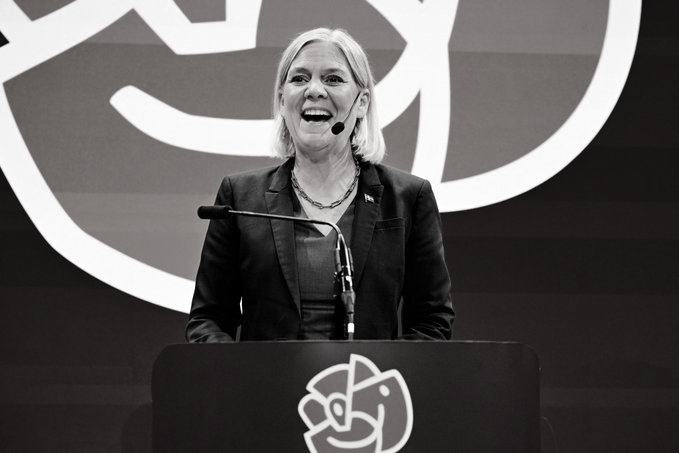
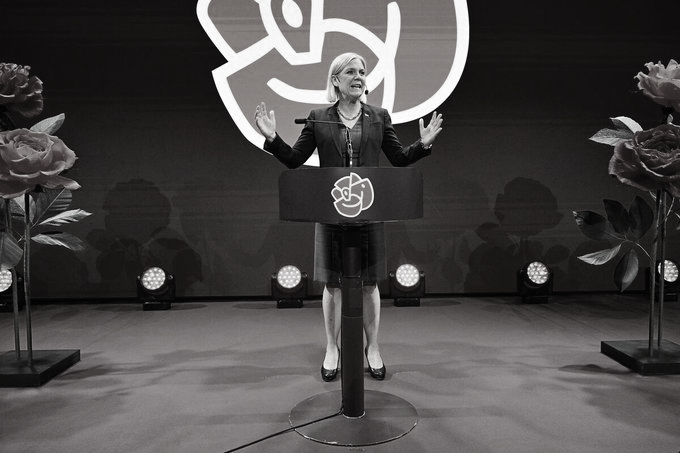
Sweden’s centre-left opposition has won the parliamentary election, ending Prime Minister Ulf Kristersson’s four-year tenure, but opposition leader and former prime minister Magdalena Andersson now faces the harder task of turning the narrow election victory into a functioning government.
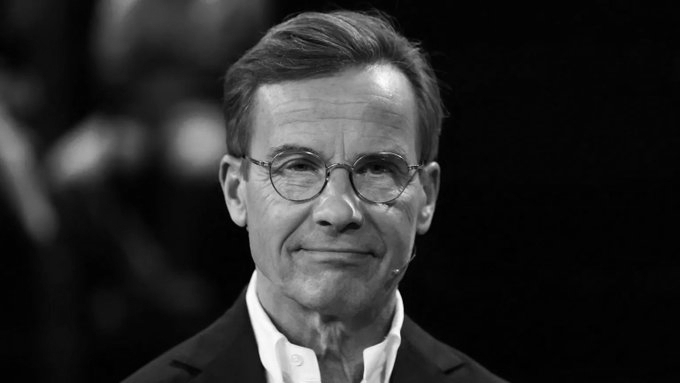
The final count gave the opposition 176 seats in the 349-member Riksdag, against 173 for Kristersson’s centre-right bloc, a margin of just three seats and about 50,000 votes. Kristersson resigned on September 17 and his government is now operating as a caretaker administration until a new government is formed.
Kristersson came to power in 2022 through a coalition of the Moderates, Christian Democrats and Liberals, relying on parliamentary support from the Sweden Democrats. His government made tougher immigration rules and the fight against gang violence and organised crime central priorities, while also highlighting economic measures and Sweden’s 2024 NATO membership.
But the election campaign also focused on household finances, healthcare, welfare and the cost of living. The Sweden Democrats, whose growing influence had been crucial to Kristersson’s parliamentary majority, suffered their first decline in support since entering Parliament in 2010. They fell to 62 seats, 11 fewer than before, and dropped behind the Moderates. Kristersson had even indicated that the party could receive Cabinet positions if the right retained power.
Andersson’s Social Democrats remained the largest single party with 99 seats, but their own vote share also declined. She nevertheless described the result as a vote for “a new direction” and said Sweden had chosen greater cohesion and less division. On September 18, she told Parliament’s Speaker Andreas Norlén that she was ready to try to form a government and said she wanted to lead Sweden in a spirit of broad cooperation.
That is where Andersson’s biggest test begins.
Her four-party bloc has 176 seats, but the parties are not united on government formation. The Centre Party has said it will not join a government that includes the Left Party, while the Left Party wants a role in the new government. Andersson therefore has to negotiate a workable arrangement before she can return to the prime minister’s office.
So, who will be Sweden’s next prime minister? Andersson is currently the leading candidate because her bloc won the election, but she is not PM yet. The Speaker must first complete consultations and nominate a candidate. The Riksdag can vote on a new prime minister from September 29. If four candidates are rejected, Sweden must hold an extraordinary election.
For now, the election verdict is clear: Kristersson has lost power and Andersson’s bloc has won the parliamentary numbers. But the next political battle is whether Andersson can turn those 176 seats into a government.