
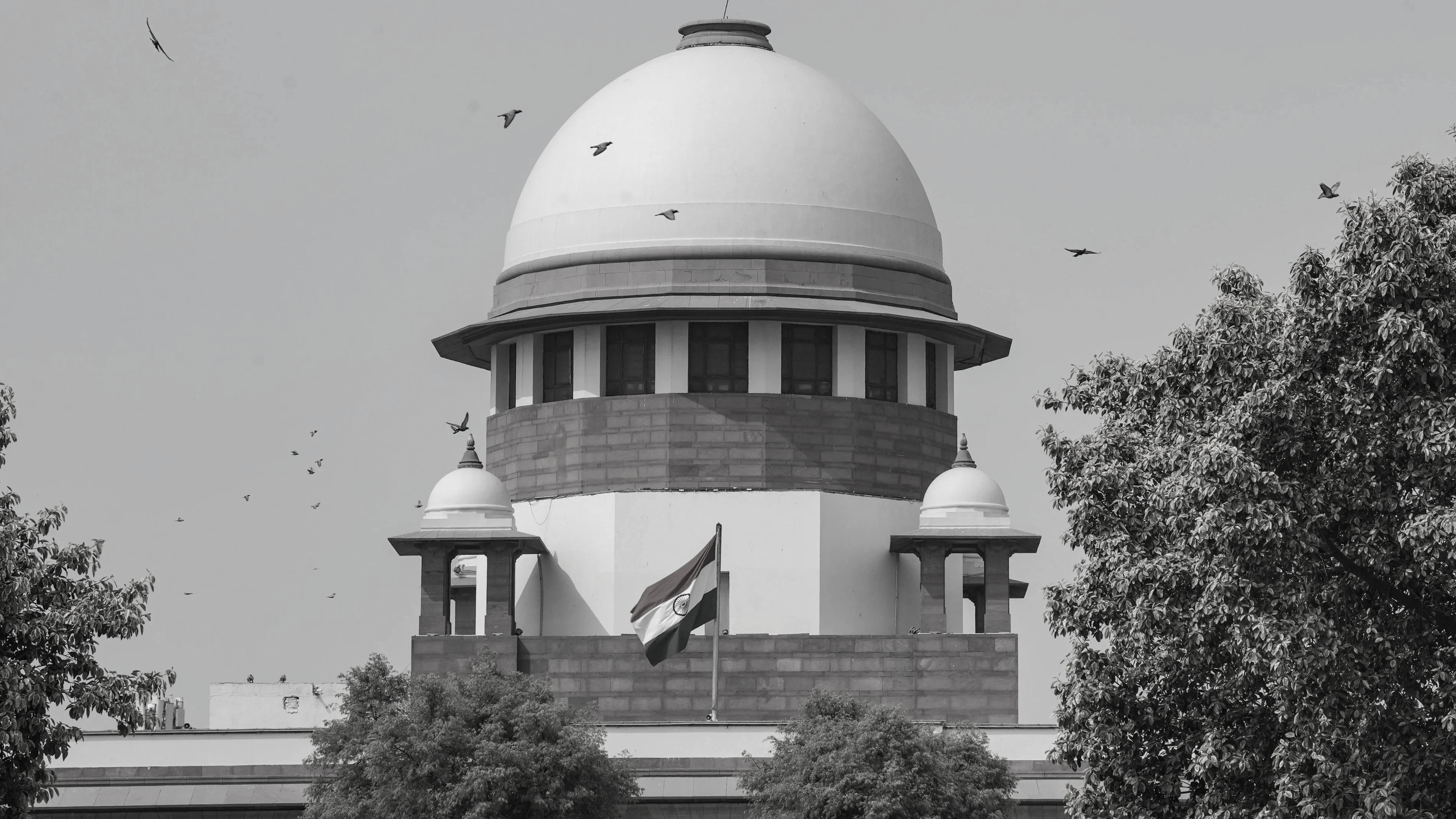
Supreme Court seeks responses from Centre, 12 states on Anti-Conversion Laws
The Supreme Court on Monday issued notices to the Centre and 12 states, including Rajasthan, Uttar Pradesh, Odisha, Chhattisgarh, Arunachal Pradesh, Gujarat, Jharkhand, Uttarakhand, Haryana, Madhya Pradesh, Karnataka, and Himachal Pradesh, on a fresh Public Interest Litigation (PIL) challenging the validity of state anti-conversion laws. The PIL, filed by the National Council of Churches in India (NCCI), also sought a stay on the operation of these laws.
A bench comprising Chief Justice Surya Kant and Justice Joymalya Bagchi directed the Centre and the states to file a common counter-affidavit within four weeks. The court also ordered that the new petitions be tagged with pending cases and heard together by a three-judge bench.
Senior advocate Meenakshi Arora, representing the NCCI, told the court that some state laws encourage vigilante complaints and have led to numerous cases being filed against alleged conversions. Solicitor General Tushar Mehta, appearing for the Centre, said similar petitions challenging these laws are already pending and that the government’s reply would be filed shortly.
Anti-conversion laws, enacted in states such as Odisha (1967), Madhya Pradesh (1968), and more recently in Uttar Pradesh, Uttarakhand, Rajasthan, and Chhattisgarh, aim to prevent conversions by “force, fraud, coercion, or allurement” and often require prior notification to authorities. Critics argue that these laws are frequently misused to target minority communities, particularly Christians and Muslims, and to police interfaith marriages.
The Supreme Court has previously upheld anti-conversion statutes in Rev. Stanislaus v. State of Madhya Pradesh (1977) , ruling that the constitutional right to propagate religion does not include the right to convert others. Petitioners now argue that modern doctrines on privacy and personal autonomy under Article 21, along with Articles 25 and 26 guaranteeing religious freedom, require a fresh review of these laws.
Data from states such as Uttar Pradesh indicate that hundreds of cases have been registered under these laws, with thousands of arrests, yet convictions remain rare. Reports from Uttarakhand show multiple trials ending in acquittals, highlighting concerns over misuse. Minority groups and civil liberties advocates have criticised the laws as tools for harassment, while state governments defend them as necessary to maintain social harmony and prevent coercive conversions.
The Supreme Court’s hearings will now examine whether these state laws strike a constitutional balance between protecting religious freedom and safeguarding individual liberty.