
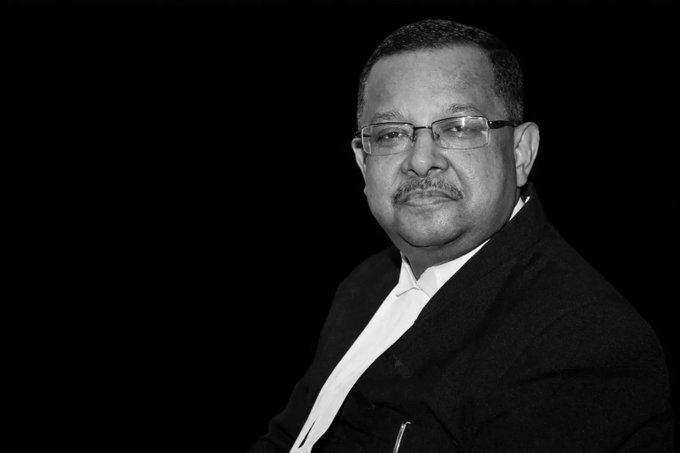
Thousands Arrested, Few Convicted: SC Judge Flags Systemic UAPA Misuse
Supreme Court Judge Justice Ujjal Bhuyan delivered a comprehensive critique on Sunday, warning that India’s aspiration for a Viksit Bharat by 2047 cannot be realised through the criminalisation of dissent , excessive use of harsh laws such as the Unlawful Activities (Prevention) Act (UAPA) and Prevention of Money Laundering Act (PMLA) , or deep‑seated social fault lines . Speaking at the first national conference of the Supreme Court Bar Association (SCBA) in Bengaluru, he addressed systemic issues in crime registration, judicial attitudes and representation in the judiciary.
Justice Bhuyan highlighted data showing thousands of arrests under UAPA from 2019 to 2023 with conviction rates consistently around five per cent or lower , indicating many detentions may be premature and unsupported by sufficient evidence, contributing to judicial backlog and prolonged detention. He also noted the overuse of PMLA , saying its potency is weakened when applied indiscriminately.
Criticising parts of the judiciary, he warned of a “more loyal than the king syndrome” among some judges who deny bail in deserving cases, resulting in individuals languishing in jail. He said FIRs are increasingly registered for trivial issues such as protests or social media posts, forcing courts to spend time on avoidable matters.
Turning to gender disparities, Justice Bhuyan lamented that although women constitute over 50 per cent of successful candidates in lower judicial services , their representation drops sharply in higher judiciary. Women account for only about 14 per cent of high court judges , and historically just 11 women have been appointed as Supreme Court judges , reflecting a flawed collegium system’s subjective assessment .
He urged the judiciary to reflect India’s diversity, become a “rainbow institution” and uphold constitutional values that respect debate, dissent and individual dignity . The conference also heard from former Chief Justice B R Gavai , who expressed concern that some repeated collegium recommendations for appointments remain unfulfilled.